
 By rifanmuazin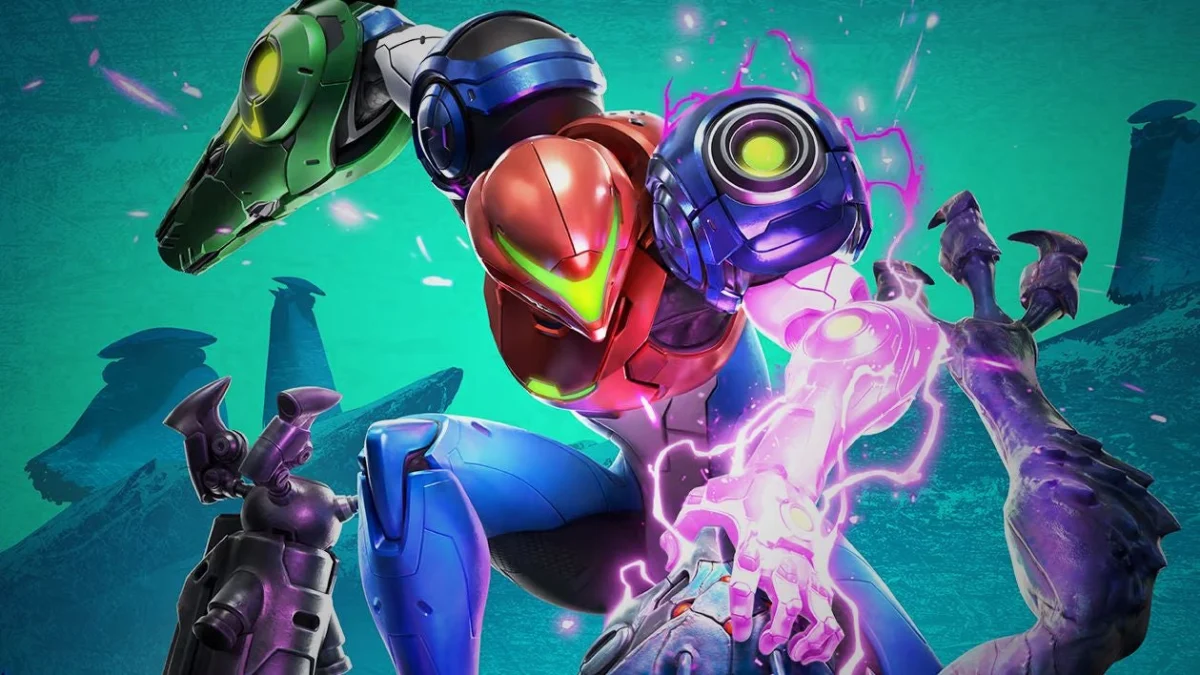
After months of industry speculation and a deafening silence from Nintendo, the mystery surrounding the development of the recently unveiled Metroid Ravenous has finally been put to rest. The Spanish development house MercurySteam—best known for its acclaimed work on the Castlevania: Lords of Shadow series and the critically lauded Metroid Dread—has officially confirmed its involvement in the highly anticipated Switch 2 title.
The revelation comes as a massive relief to fans of the franchise who had spent the last 24 hours dissecting every frame of the Metroid Ravenous reveal trailer, noting the distinct aesthetic and mechanical DNA that mirrors the studio’s previous work on Samus Aran’s adventures.
Main Facts: A Stealth Reveal
The confirmation arrived via social media in the wake of Nintendo’s September 9, 2026, Direct showcase. While the Metroid Ravenous trailer served as the event’s definitive "showstopper," the lack of a developer credit on the splash screen or within Nintendo’s official press materials led to widespread confusion.
Typically, Nintendo is notoriously guarded regarding developer attribution until a game is nearing its retail window. However, MercurySteam effectively broke the silence by sharing the trailer across their official X (formerly Twitter) and LinkedIn channels. The studio’s post—a minimalist combination of a ninja emoji and a red heart—all but confirms that Metroid Ravenous was being developed under a veil of extreme secrecy.
The game is currently slated for an exclusive release on the upcoming Nintendo Switch 2 on January 28, 2027.

A Chronology of the Metroid Renaissance
The path to Metroid Ravenous is best understood through the lens of MercurySteam’s evolving relationship with Nintendo.
The Metroid Dread Success (2021)
In 2021, Metroid Dread arrived as a landmark release for the Nintendo Switch. It was a title that many thought impossible, reviving the 2D side-scrolling format that had been dormant for nearly two decades. The game earned a prestigious "Essential" rating from critics, praised for its tight controls, oppressive atmosphere, and the introduction of the terrifying E.M.M.I. stalkers. It set a new bar for the series, cementing MercurySteam as the premier developer for 2D Metroid titles.
The Post-Dread Transition
Following the success of Dread, MercurySteam moved on to an original intellectual property, Blades of Fire. While the game received positive reviews, it failed to capture the commercial momentum of a franchise as massive as Metroid. Reports later indicated that the title had "underperformed" in a market increasingly dominated by massive AAA tentpoles and selective consumer spending.
The Financial Turbulence
The subsequent period was challenging for the Madrid-based studio. The financial pressures stemming from the performance of their original projects necessitated a major restructuring, including significant layoffs earlier this summer. The announcement of Metroid Ravenous is, therefore, not just a win for fans, but a critical lifeline for the studio, signaling a return to the safety and prestige of a Nintendo-backed flagship franchise.
Supporting Data: Why Ravenous Feels Familiar
Visual analysis of the Metroid Ravenous trailer reveals a clear evolution of the engine used for Metroid Dread.

- Mechanical DNA: The movement fluidly transitions between the precise platforming of Dread and new, dynamic perspective shifts. While Dread was a masterclass in claustrophobic, linear exploration, Ravenous appears to lean into a more vibrant, expansive aesthetic.
- Artistic Departure: While the controls feel familiar, the color palette of Ravenous is noticeably more saturated. The environments shown in the trailer suggest a shift from the industrial, monochromatic corridors of ZDR to more organic, bioluminescent landscapes, indicating that MercurySteam is looking to expand the visual identity of the 2D series.
- The "Ninja" Development Cycle: The silence from the studio in the lead-up to the announcement is consistent with the "shadow development" model often requested by Nintendo. By avoiding the spotlight, MercurySteam was able to focus entirely on meeting the ambitious technical requirements of the Switch 2 hardware.
Official Responses and Industry Silence
As of this writing, Nintendo has offered no formal comment on the studio’s confirmation. This is consistent with the company’s long-standing strategy of maintaining a "hands-off" approach to developer disclosure during the initial marketing phase.
MercurySteam’s social media activity is the only "official" word we have received. By posting the trailer with minimal text, the studio has effectively utilized a low-profile approach to confirm their status as the lead developers. LinkedIn updates from senior staff at the studio have further corroborated that the project has been in active development for the better part of the last two years, overlapping with the finalization of their internal restructuring.
Implications for the Switch 2 and the Industry
The selection of Metroid Ravenous as a cornerstone title for the launch of the Switch 2 carries significant weight.
A Flagship for New Hardware
The Nintendo Switch 2 is under immense pressure to prove its power compared to the aging hardware of its predecessor. By choosing a high-octane, visually fluid game like Ravenous, Nintendo is likely signaling that the new console will focus on performance—specifically high-fidelity, high-frame-rate 2D/2.5D gaming. If Ravenous serves as a graphical benchmark, it suggests the Switch 2 will offer substantial improvements in lighting, particle effects, and draw distance.
The Future of MercurySteam
For MercurySteam, Metroid Ravenous is a return to form. The studio’s ability to pivot back to a world-class franchise after a period of financial hardship is a testament to their technical capability. Industry analysts suggest that this project could be the stabilizer needed to ensure the studio’s long-term viability. By partnering with Nintendo on a known quantity, MercurySteam secures a stable revenue stream and maintains its position as one of the few external developers trusted with Nintendo’s most precious intellectual property.

Market Expectations
The January 28, 2027, release date suggests that Metroid Ravenous will be a launch-window title, likely arriving within the first few months of the console’s availability. This positions it as a must-have purchase for early adopters, reinforcing the perception that the Switch 2 will cater to the "hardcore" audience that fueled the massive success of the original Switch.
As we move toward the winter of 2027, all eyes remain on Madrid. With the developer confirmed and the gameplay looking more polished than ever, Metroid Ravenous stands poised to be the defining experience for a new generation of Nintendo players. For Samus Aran, the mission continues—and for MercurySteam, the hunt for redemption has officially begun.
 Azzam Bilal Chamdy
  Asep Darmawan
  Sagoh
Sagoh 