
 By Muslim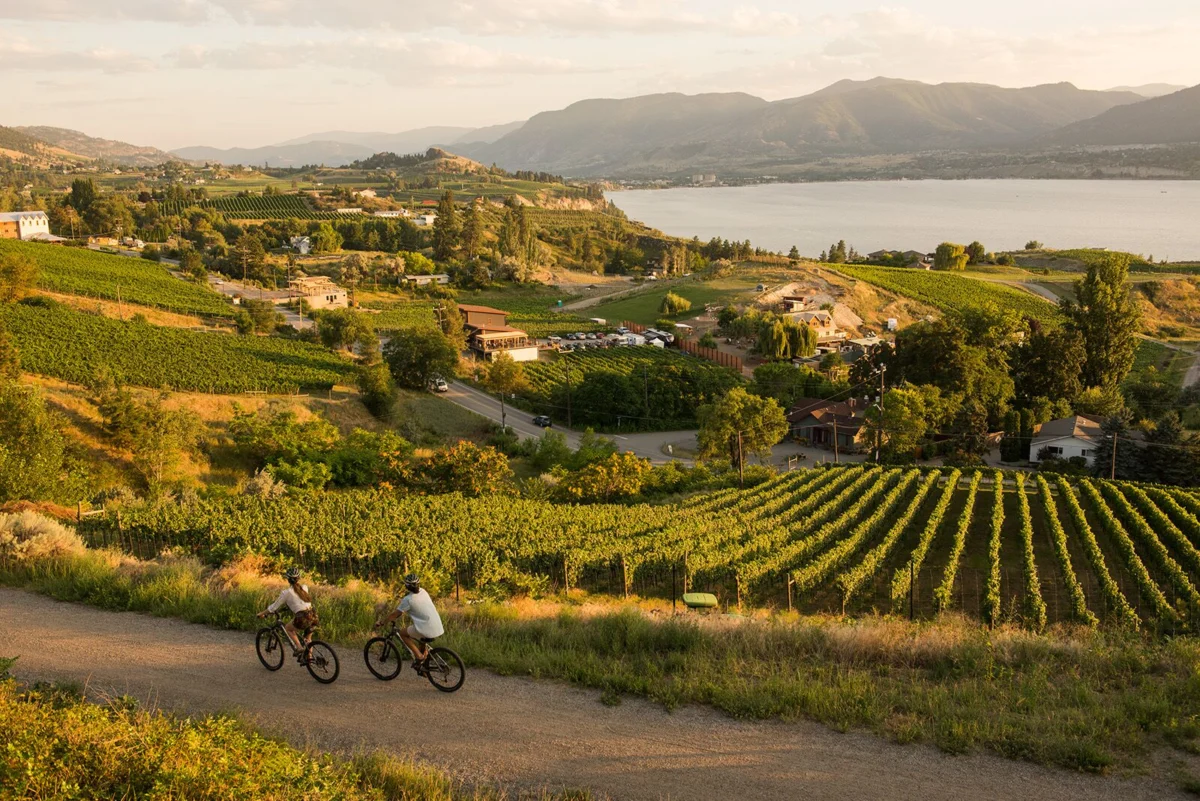
From the sun-drenched patios of Kelowna to the desert-fringed shores of Osoyoos, the Okanagan Valley stands as a testament to the harmony between human ingenuity and untamed geography. Long recognized by locals as Canada’s premier viticultural engine, the region has recently ascended to the global stage, earning the prestigious designation of a UNESCO Creative City of Gastronomy. This recognition is not merely for its wine, but for a profound commitment to agricultural biodiversity and a farm-to-table philosophy that permeates every level of the culinary experience.
As the summer heat mellows into the crisp, golden hues of autumn, the Okanagan undergoes a metamorphosis. The frantic pace of harvest season brings a visceral energy to the landscape, yet the visitor experience remains refreshingly unpretentious. With over 200 wineries and 60 distinct grape varieties thriving across a climate defined by hot, long growing seasons, the valley offers a world-class terroir that remains, for the moment, one of North America’s best-kept secrets.
Main Facts: The Geography of Flavor
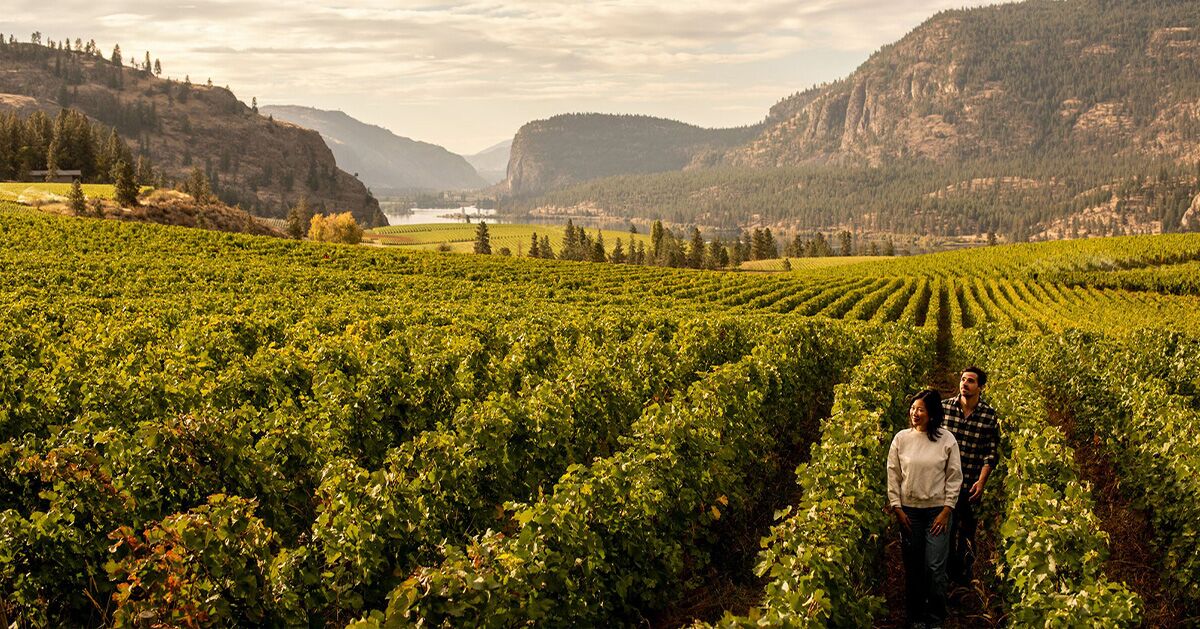
The Okanagan Valley stretches deep into the interior of British Columbia, carving a lush corridor from Vernon in the north to the arid borderlands of Osoyoos in the south. This "Valleys & Vineyards" corridor is defined by its unique microclimates, where glacier-formed lakes provide essential thermal regulation for the valley’s sprawling vineyards.
The region’s culinary identity is built upon an ethos of hyper-locality. Chefs like Neil Taylor at Home Block Restaurant and Mark Filatow at Waterfront Wines treat the valley as their primary larder. Whether it is eggs from an on-site flock, honey harvested from hives within sight of the dining room, or asparagus sourced from the fertile soils of nearby Armstrong, the connection between the plate and the land is direct and uncompromising.
Chronology: A 72-Hour Immersion
Day 1: The Kelowna Corridor and the Art of the Pour
Upon arrival at Kelowna International Airport, the journey begins by traversing the iconic floating bridge, a gateway to the Westside’s verdant slopes. A mandatory stop at Quails’ Gate Estate Winery—an institution since 1999—sets the tone. Here, the Old Vines Restaurant serves as a masterclass in regional integration, pairing West Coast seafood with vegetables pulled from dirt just miles away.
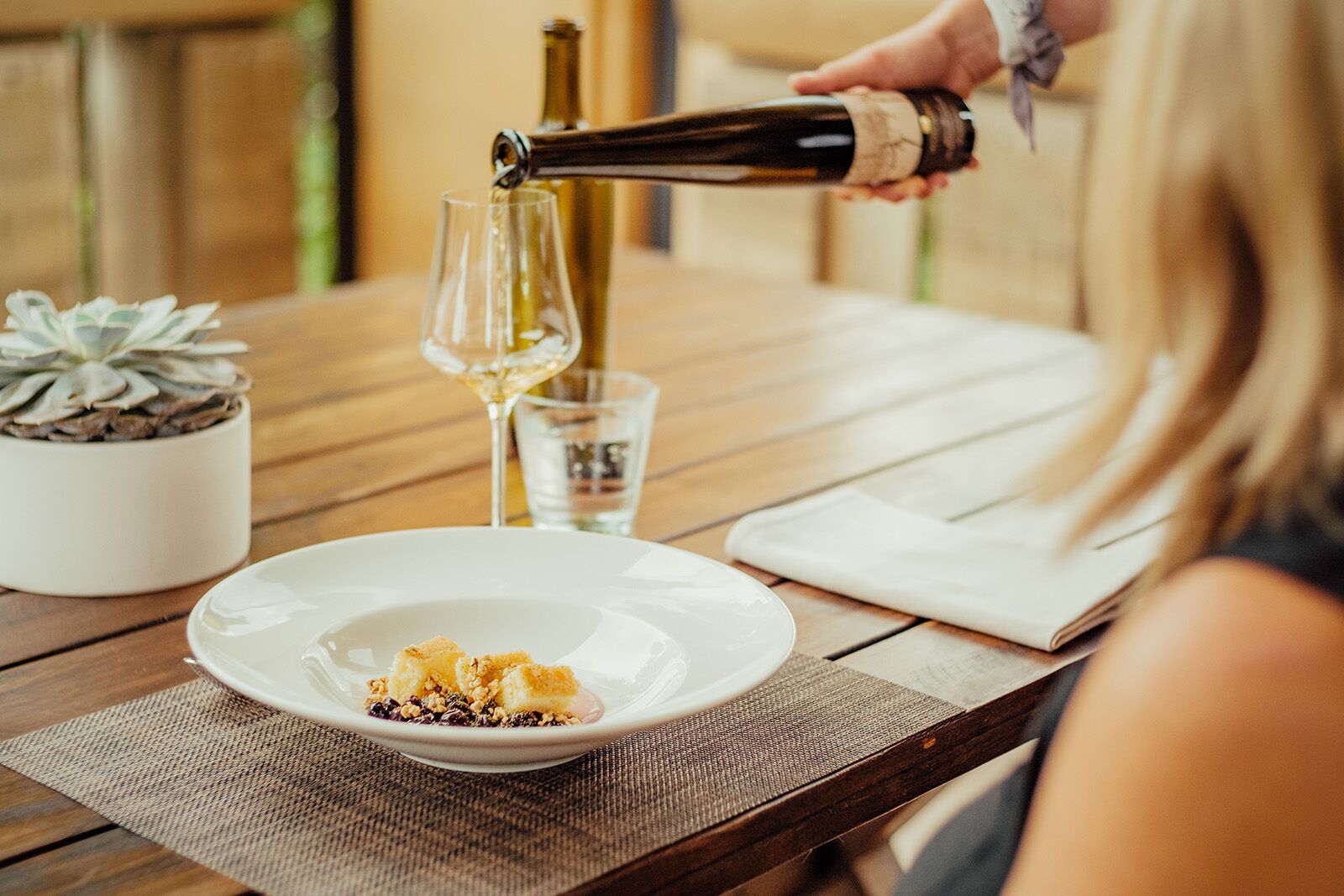
The afternoon shift moves to the East Kelowna Slopes, a sub-region distinguished by its ancient, weathered terrain. Utilizing a professional service like Okanagan Wine Country Tours allows for a seamless exploration of high-altitude viticulture, including Tantalus Vineyards, where the oldest Riesling vines in the region reside. The day concludes downtown at Waterfront Wines, where Executive Chef Mark Filatow marries a sommelier’s intuition with a global culinary perspective.
Day 2: The E-Bike Revolution on the Kettle Valley Rail Trail
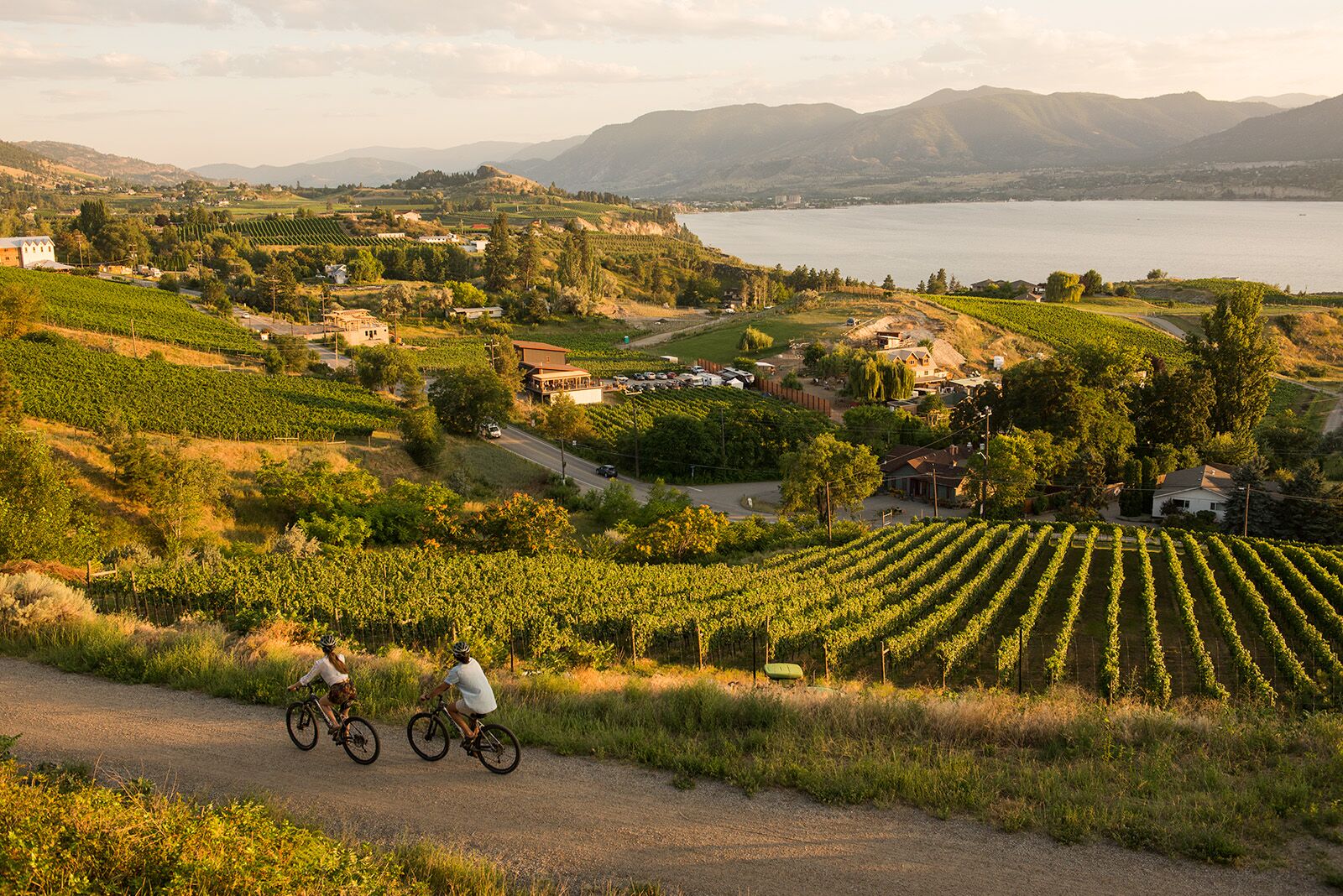
Leaving Kelowna behind, the route snakes along the lakeshore toward Penticton. A morning breakfast at Wayne & Freda provides the necessary fuel for a physical exploration of the landscape. The Kettle Valley Rail Trail is the region’s crown jewel for outdoor enthusiasts. By utilizing e-bikes, travelers can navigate the dramatic wooden trestles and granite tunnels that once served steam locomotives, now transformed into a panoramic path above the valley floor.
Returning to the village of Naramata for a rustic lunch—focaccia and pear cake enjoyed on a quiet beach—reminds the traveler that the luxury of the Okanagan is often found in its simplicity. The evening is reserved for the Penticton Lakeside Resort, where the seasonal floating sauna provides a rare opportunity to bridge the gap between mountain air and lake water, followed by an inventive Turkish-inspired dinner at Elma.
Day 3: The Desert Ethos of Osoyoos
The final leg of the journey heads south into the rain shadow of the Cascade Mountains. As the landscape shifts from forest to arid brush, the environment changes into Canada’s only true pocket desert. This is the traditional territory of the Syilx Okanagan Nation.
A visit to the Nk’Mip Desert Cultural Centre is essential for any visitor seeking to understand the deep history of the land. Through immersive storytelling and the architecture of the site, guests gain perspective on the Indigenous stewardship of this fragile ecosystem. The day concludes at Nk’Mip Cellars, where Chef Shawn Cheer’s menu at the Sweetgrass restaurant serves as an edible timeline of Indigenous culture, featuring bison meatballs and fry bread—a profound end to a three-day study of the region’s heritage.
Supporting Data: The Agricultural Engine
The scale of the Okanagan’s agricultural output is staggering. With more than 60 grape varieties—ranging from cool-climate Pinot Noir and Riesling to heat-loving Syrah and Merlot—the region occupies a unique position in the global wine market.
- Viticulture: Over 200 wineries operational within the valley corridor.
- Biodiversity: The region’s status as a UNESCO Creative City of Gastronomy is supported by a network of over 1,000 independent farms and orchards.
- Tourism Impact: Autumn, specifically post-Labor Day, represents the peak of the "harvest tourism" sector, where the absence of peak-summer crowds allows for more intimate engagement with producers.
Official Perspectives: The Value of "Slow Travel"
Local tourism boards and agricultural unions emphasize that the "Valleys & Vineyards" route is designed to promote sustainability. By encouraging travelers to visit outside of the mid-summer peak, the region manages the strain on its natural resources while providing a better, more educational experience for visitors.
"The goal is not to maximize volume, but to maximize the connection between the guest and the grower," says a representative from the local culinary guild. "When a visitor understands that the wine they are drinking was harvested from the slope they are sitting on, the entire economic and ecological model of the valley is validated."
Implications: The Future of BC’s Foodscape
The implications of the Okanagan’s rise are significant. As the region becomes a globally recognized gastronomic destination, it faces the challenge of maintaining the "unpretentious" character that defines its current charm. The move toward Indigenous-led tourism, as seen in Osoyoos, represents a critical shift in how the region presents itself—moving away from a purely colonial agricultural narrative toward one that honors thousands of years of Syilx history.
Furthermore, the integration of active travel (cycling the Kettle Valley Rail Trail) with luxury consumption (fine wine and dining) suggests a template for sustainable tourism that other regions of Canada would do well to emulate. The valley is proving that one can consume the bounty of the land without depleting it.
For the traveler, the takeaway is clear: the Okanagan Valley is not merely a place to drink wine; it is a laboratory of modern agriculture and cultural preservation. Whether it is a $10 tasting at a family-run vineyard or a sophisticated dinner on the waterfront, the terroir here is not just in the glass—it is in the history of the soil, the ingenuity of the chef, and the quiet, enduring beauty of the mountains. Extending a trip beyond three days is not just a suggestion; it is a necessity for those wishing to peel back the layers of one of the world’s most compelling culinary frontiers.
 Jia Lissa
  Iffa Jayyana
  Basiran