
 By Dwi Wanna
In the modern enterprise landscape, the path to a closed deal is rarely a straight line. Unlike the impulsive, high-velocity world of Business-to-Consumer (B2C) retail, a single Business-to-Business (B2B) sale often involves a gauntlet of a dozen stakeholders and a sales cycle that can span the better part of a year. In this environment, social media has evolved from a peripheral "nice-to-have" into a primary engine for earning the most valuable currency in commerce: trust.
According to recent industry benchmarks, B2B social media marketing is no longer just about broadcasting corporate updates; it is a sophisticated discipline designed to target decision-makers—founders, executives, and department heads—through a marathon of relationship-building. As digital native generations take the reins of corporate procurement, the strategies that worked a decade ago are being replaced by human-centric, data-driven approaches that prioritize authenticity over polish.

The Evolution of the B2B Digital Journey: From Rolodex to Newsfeed
The chronology of B2B marketing has undergone a radical transformation over the last decade. Historically, B2B sales relied heavily on trade shows, cold calls, and direct mail. The early 2010s saw the "LinkedIn era," where companies treated social media as a digital repository for white papers and press releases.
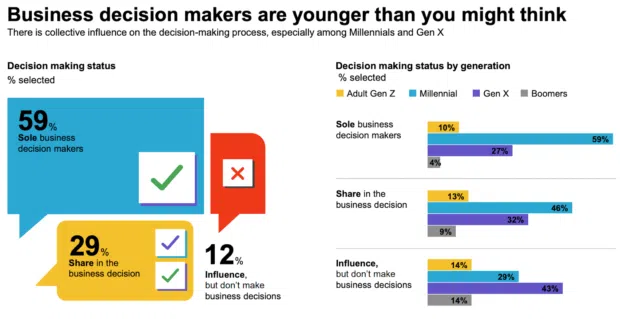
However, the 2020s have ushered in the "Era of the Human Brand." The catalyst for this shift is demographic. Millennials now lead 59% of sole business decision-making roles. This cohort, having grown up with social media, expects a B2B buying experience that mirrors their B2C habits: they want video content, they trust influencers (KOLs), and they seek peer validation before ever speaking to a sales representative.

This evolution has forced B2B brands to move beyond LinkedIn. While LinkedIn remains the foundational "office" of the professional world, platforms like YouTube, Instagram, and even TikTok have become critical touchpoints for reaching buyers where they spend their leisure time. The boundary between "professional" and "personal" digital space has effectively dissolved.
Strategic Framework: Mapping Content to the Modern Funnel
For a B2B social strategy to drive real business results, it must be architected around the multi-stage marketing funnel. Journalistic analysis of high-performing B2B brands reveals a three-tiered content approach:
1. Top of Funnel (TOFU): The Awareness Engine
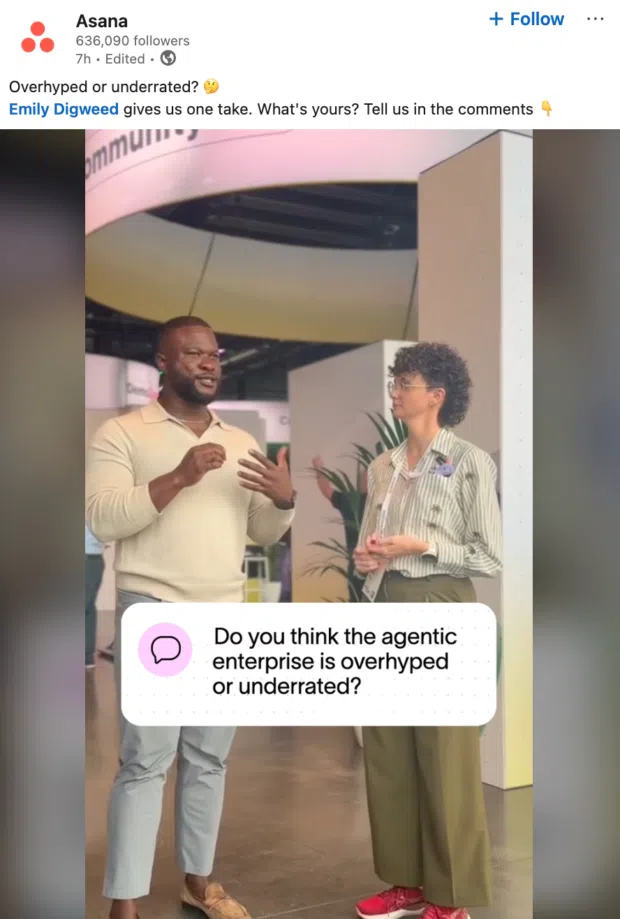
At this stage, the goal is not to sell, but to educate and intrigue. Successful brands utilize "hot takes" on industry trends, myth-busting carousels, and research-driven insights. For example, project management giant Asana uses video content to debate whether "agentic enterprise" is overhyped, positioning themselves as a thought leader rather than just a software provider.
2. Middle of Funnel (MOFU): The Consideration Phase
Once a prospect is aware of a brand, they enter the evaluation phase. Here, content shifts toward utility. Webinars, checklists, product explainers, and expert interviews dominate. Data shows that buyers at this stage are comparing features and pricing; they are looking for reasons to trust a vendor’s expertise over their competitors.
3. Bottom of Funnel (BOFU): The Decision Closer
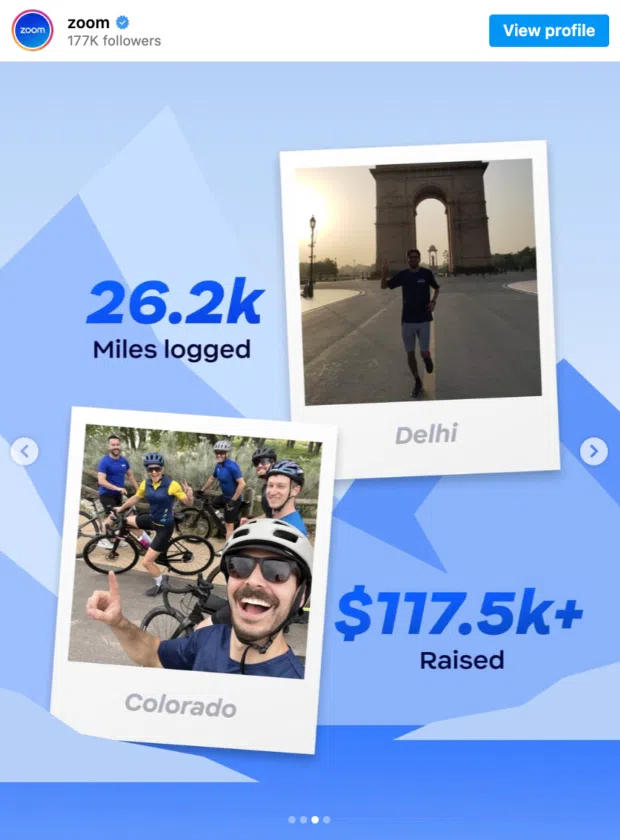
The final stage is about mitigating risk. In B2B, the fear of making a bad purchase often outweighs the excitement of making a good one. Social proof—in the form of customer case studies, testimonials, and social impact stories—serves as the final nudge. Content from companies like Zoom, which highlights employee participation in charity events, helps humanize the brand and build the emotional resonance necessary to close high-stakes deals.
Supporting Data: The Power of Video and Influence
The numbers supporting the shift toward modern B2B social tactics are staggering.

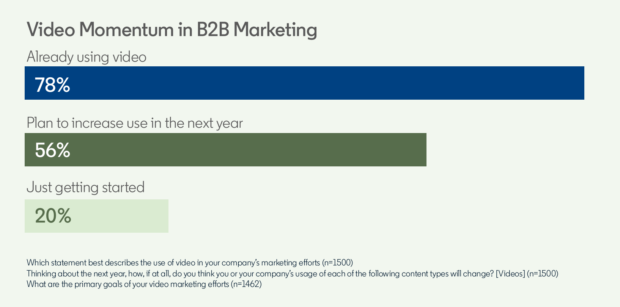
- The Video Surge: 78% of B2B marketers are currently using video, and 56% plan to increase their investment in the coming year. LinkedIn reports that emotional, short-form videos are watched through significantly more often than traditional, highly polished corporate videos.
- The Advocacy Advantage: Employee advocacy programs—where staff share company content on their personal profiles—see up to 200% higher click-through rates and 700% more engagement than official brand accounts. Trust, it seems, is more easily vested in individuals than in logos.
- The Influencer ROI: The rise of Key Opinion Leaders (KOLs) in the B2B space is no longer a trend but a budget staple. 53% of B2B organizations are increasing their influencer budgets this year, recognizing that an endorsement from a respected industry expert carries more weight than any paid advertisement.
Expert Insights: The Rise of "Dark Social" and Attribution
Professional marketers and analysts are increasingly focused on "Dark Social"—the private, untrackable channels where B2B decisions are actually made. This includes Slack communities, Discord servers, WhatsApp groups, and direct messages.
"Trust is the remedy to risk," notes Ian Bruce, VP Principal Analyst at Forrester. "B2B buyers who trust a company are almost twice as likely to pay a premium to work with that company than those who do not."
Because these conversations happen behind closed doors, traditional attribution models often fail. This has led to the adoption of "social listening" tools. By monitoring public sentiment and brand mentions across the web, companies can gain a proxy for the conversations happening in private. Experts suggest that a multi-touch attribution model is essential for B2B; because a buyer might interact with a brand ten times across three months before converting, giving all the credit to the "last click" provides a distorted view of social media’s true ROI.
Official Responses and Tactical Implementation
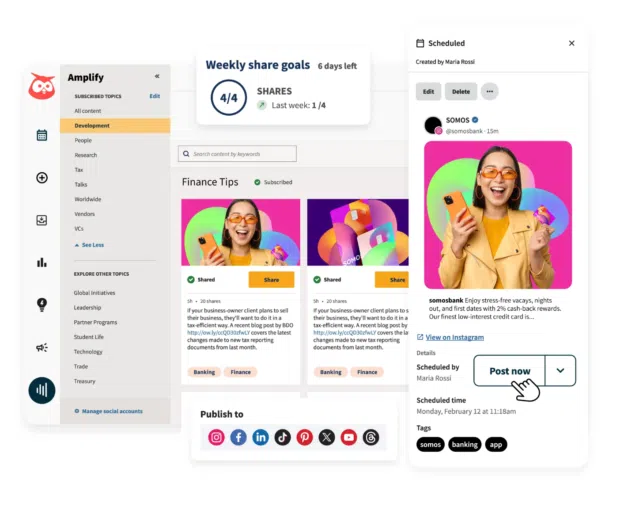
Leading software providers in the space, such as Hootsuite, have responded to these market shifts by developing integrated suites that bridge the gap between organic social activity and revenue. Their "Amplify" platform, for instance, focuses specifically on the employee advocacy trend, allowing companies to provide pre-approved content to their teams to scale reach without increasing ad spend.

Furthermore, the alignment of social teams with Demand Generation and Account-Based Marketing (ABM) teams has become a corporate standard. By sharing data between these departments, social media managers can create hyper-targeted content for high-value accounts, ensuring that the "dozen stakeholders" involved in a purchase are all seeing consistent, persuasive messaging in their respective feeds.
Implications: The Future of the B2B Sales Cycle
The implications of these shifts are profound for the future of enterprise commerce.
First, the "Consumerization of B2B" will continue. The expectation for high-quality, entertaining, and mobile-first content will only increase. Brands that cling to "boring" corporate personas will likely see their organic reach vanish as algorithms favor engagement and human interaction.
Second, the importance of private communities will grow. As public social feeds become more crowded and ad-heavy, B2B buyers are retreating into vetted, private groups. Smart brands will stop trying to "own" the conversation and instead look for ways to provide value within these existing ecosystems.
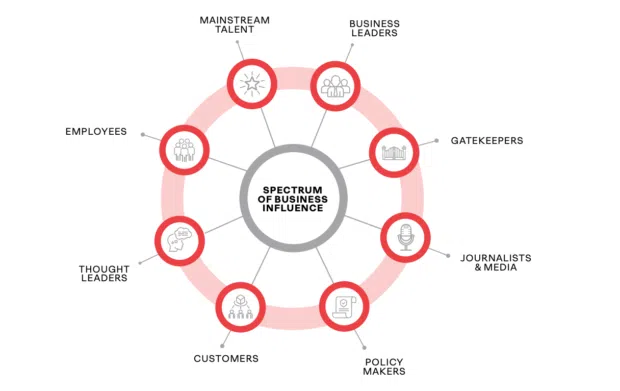
Third, AI-driven personalization will allow B2B brands to deliver the right content to the right stakeholder at exactly the right moment in the year-long sales cycle. However, as AI-generated content floods the market, the premium on "human" authenticity—live videos, raw employee stories, and unscripted testimonials—will reach an all-time high.
Conclusion: Turning Social into a Profit Center
For the modern B2B enterprise, social media is no longer a megaphone for broadcasting; it is a laboratory for building trust. To succeed, organizations must move beyond vanity metrics like follower counts and focus on the financial metrics that executives value: Pipeline, Cost Per Acquisition (CPA), and Customer Lifetime Value (CLV).
By mapping content to the funnel, empowering employees as brand ambassadors, and utilizing advanced attribution to shine a light on Dark Social, B2B companies can transform their social presence from a cost center into a powerful, predictable engine for growth. In the marathon of the B2B sales cycle, the brand that stays in the feed—and earns the trust—is the one that eventually crosses the finish line.
 Raul Delapena Setiawan
  Basiran
  Asro
Asro 