
 By Ammar Sabilarrohman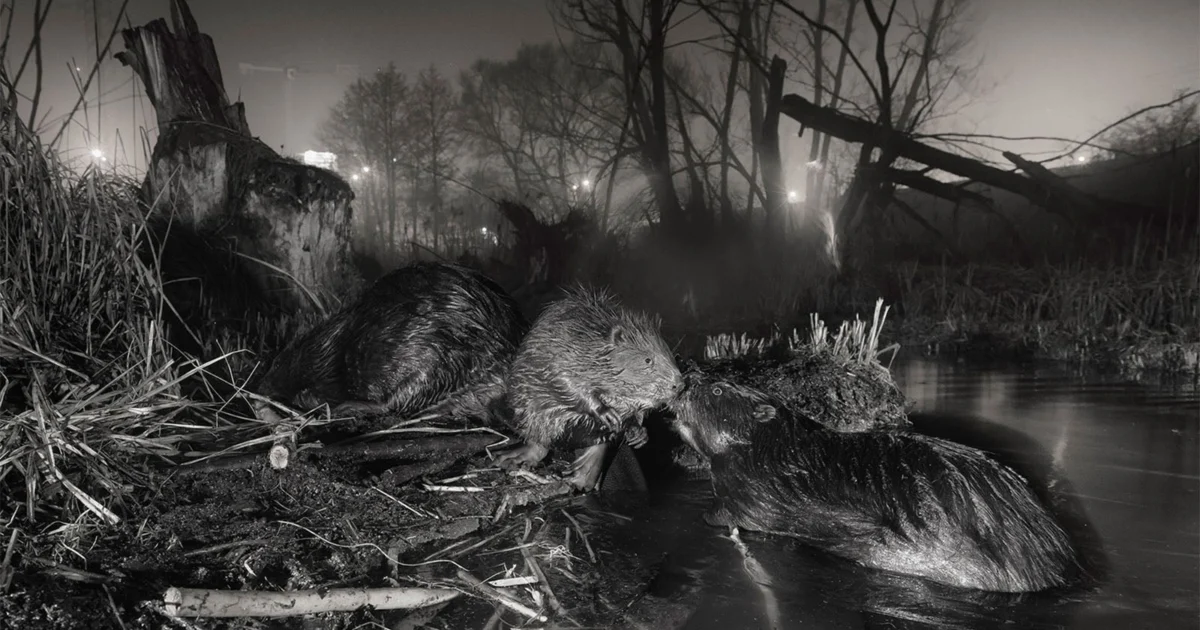
Introduction: Capturing the Resurgence of European Ecosystems
Conservation photography has long relied on portraying nature as an untouched sanctuary, far removed from the asphalt, noise, and sprawling footprint of human civilization. However, a powerful paradigm shift is currently underway across the continent. Rather than framing wilderness exclusively as a distant frontier, contemporary conservationists and photographers are focusing on the dynamic, messy, and hopeful reality of coexistence.
This philosophy anchors the winners of the 2026 Rewilding Europe Award, a prestigious annual photography competition presented in partnership with the German Society for Nature Photography (GDT) and the European Wildlife Photographer of the Year contest. Celebrating images that vividly illustrate “rewilding in motion,” this year’s competition highlights the myriad ways European ecosystems are bouncing back—whether through completely hands-off natural regeneration or intensive, multi-pronged human intervention.
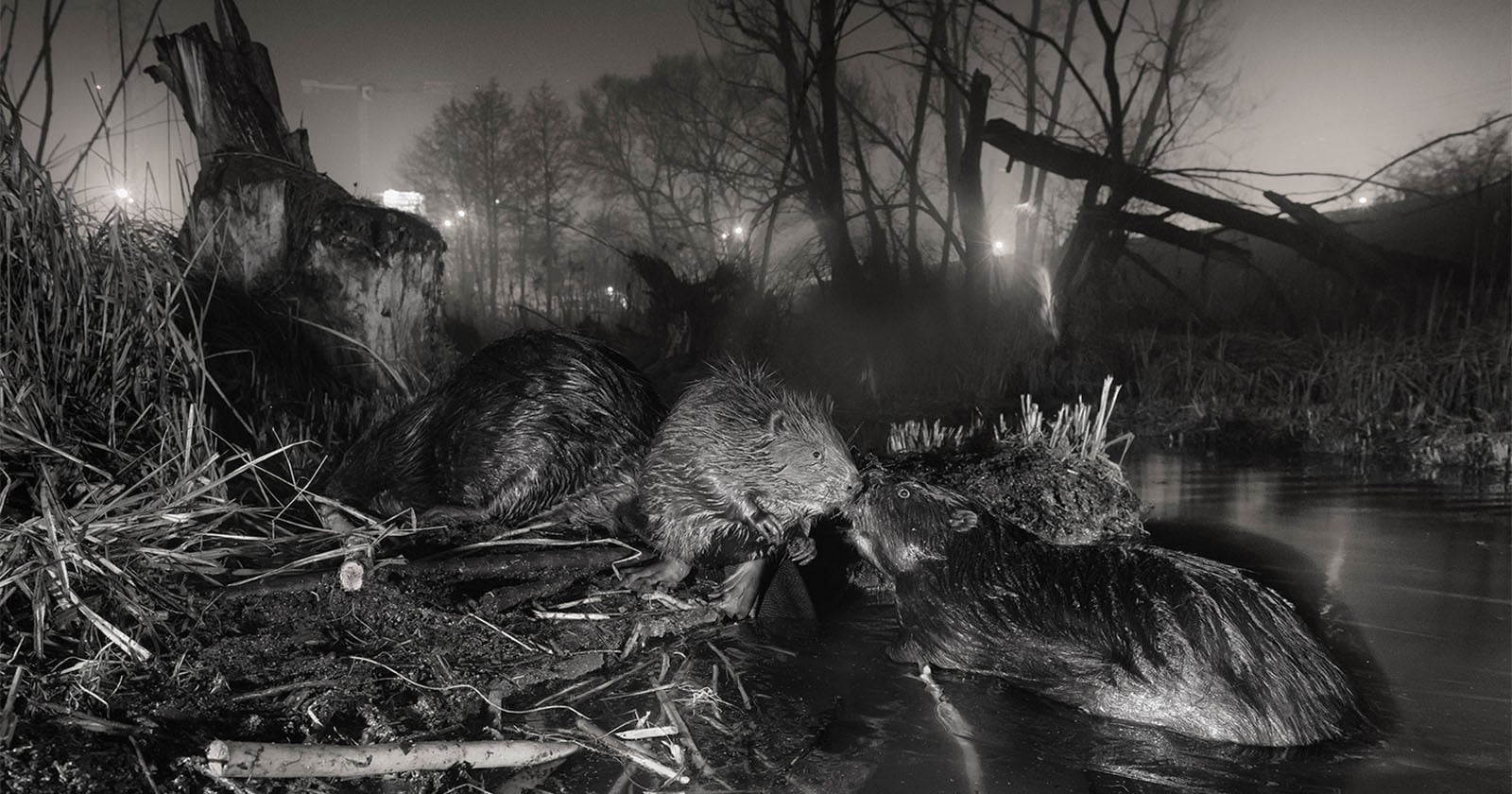
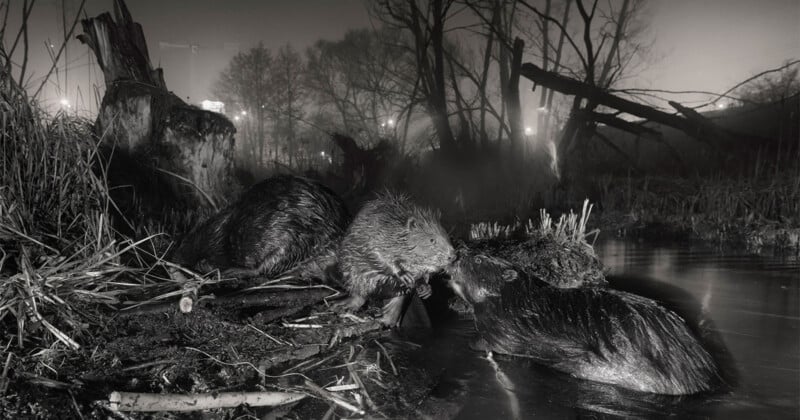
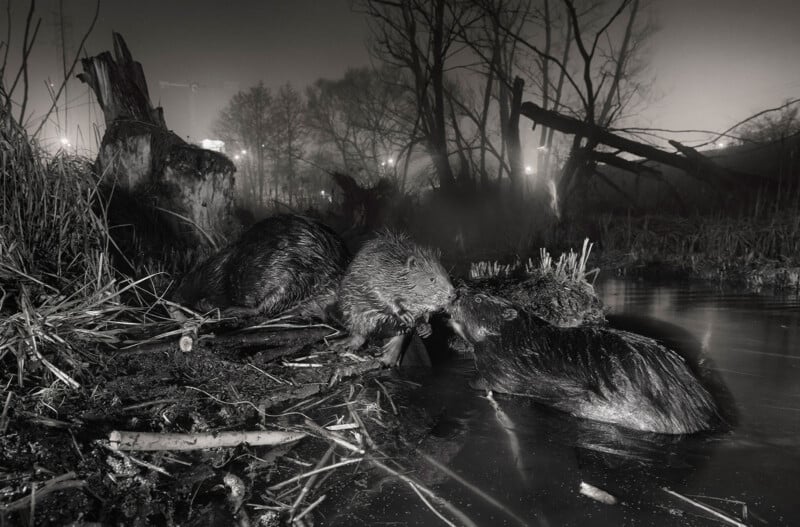
At the heart of this year’s competition is Polish photographer Jan Wieczorek, whose striking black-and-white image, “Urban Beavers,” captured the grand prize. Wieczorek’s work, alongside those of the runner-up and commended finalists, serves as both a testament to ecological resilience and a visual roadmap for how humanity can share space with the natural world.
Main Facts: The 2026 Winners and the Philosophy of Rewilding
Rewilding is a progressive approach to environmental conservation centered on letting nature heal itself. Rather than managing every square inch of a landscape, rewilding aims to restore self-sustaining natural processes, allowing native flora and fauna to reclaim spaces from which they were once driven. As Rewilding Europe frequently emphasizes, “Nature knows best when it comes to survival and self-governance.”
The competition judges noted that the winning entries reflect a multifaceted reality. “Rewilding in Europe doesn’t have one single face,” explains contest judge Jon A. Juarez. “It can mean bringing back a species that disappeared, restoring natural processes, or simply giving nature enough space and time to recover on its own. But increasingly, it is also about learning how to share landscapes with wildlife.”
Summary of Key Award Recipients:
- Winner: Jan Wieczorek (Poland) for “Urban Beavers” – Documenting a thriving beaver family living inside the Polish city of Olsztyn amidst residential and industrial expansion.
- Runner-Up: Christoph Kaula (Germany) for “Managed Revival” – Highlighting intensive, hands-on scientific intervention to save the critically threatened European hamster.
- Commended – Fabian Thorand (Poland): “Peaceful European Bison” – Capturing the remarkable rebound of European bison in a Polish meadow, a species that was once entirely extinct in the wild.
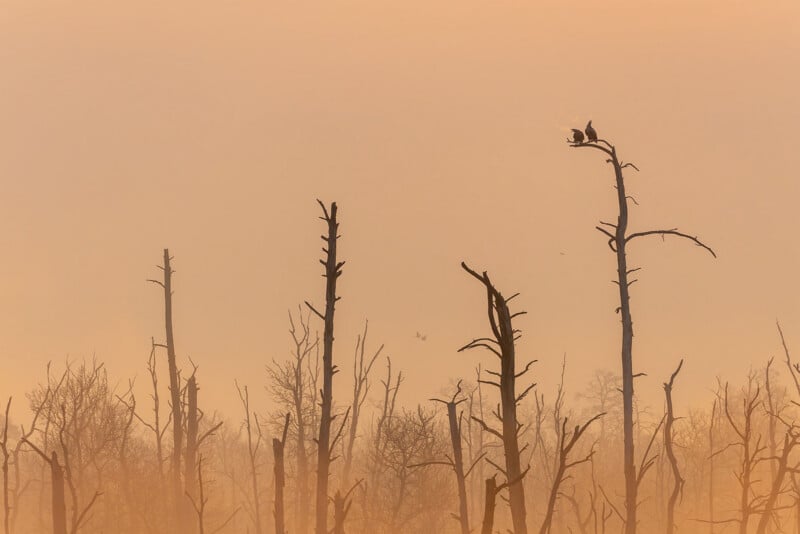
- Commended – Silke Hüttche (Germany): “The Call of the Eagles” – Showcasing a thriving population of white-tailed eagles in Anklamer Stadtbruch, a massive peatland born from a 1990s storm surge.
- Commended – Lewis Jefferies (United Kingdom): “A New Generation” – Documenting the release of captive-bred European lobsters into a Cornish tidal pool by the National Lobster Hatchery.
Chronology and Context: The Evolution of European Rewilding
To understand the significance of the 2026 award-winning images, one must examine the timeline of conservation biology in Europe over the last several decades.
Mid-to-Late 20th Century: The Industrial Pressure Point
For centuries, industrialization, intensive agriculture, urbanization, and infrastructure development carved up the European continent. Forests were fragmented, wetlands drained, and apex predators alongside large herbivores—such as the European bison and Eurasian beaver—were pushed to the brink of extinction or eradicated entirely across vast swathes of their historic ranges.
The 1990s: Accidental Wilderness and Policy Shifts
A turning point for accidental rewilding occurred during the 1990s. Extreme weather events, such as the catastrophic storm surges that flooded coastal agricultural lands in regions like northeastern Germany’s Anklamer Stadtbruch, forced a retreat of human enterprise. When dikes failed and lands were permanently inundated, nature reclaimed them. These accidental peatlands quickly transformed into biological hotspots, setting the stage for species like the white-tailed eagle to return in unprecedented numbers.
The 2010s to Present: Intentional Ecological Restoration
In recent years, formal rewilding initiatives have gained immense institutional and public support. Organizations like Rewilding Europe began implementing active reintroduction programs. Simultaneously, local communities started recognizing the ecological and economic value of biodiversity. Species like the beaver, once treated as agricultural pests, began experiencing legal protections and community-level acceptance, leading to an urban population boom.
Jan Wieczorek’s 15-year observation of the Olsztyn beaver family encapsulates this era: a gradual, deliberate realization by local populations that wildlife can adapt to urban environments if given even a sliver of tolerance and space.
Supporting Data and Ecological Insights
The visual narratives captured in the contest are backed by compelling ecological data regarding the recovery of European fauna.
1. The Eurasian Beaver (Castor fiber)
Once hunted to near-extinction across Europe for their fur, meat, and castoreum, beavers have made one of the most successful mammalian comebacks in conservation history. Thanks to strict legal protections and reintroduction programs initiated in the latter half of the 20th century, European beaver populations have rebounded from a low of roughly 1,200 individuals at the turn of the 20th century to over a million today. Their presence as "ecosystem engineers" creates wetlands that naturally filter water, mitigate floods, and boost biodiversity.
2. The European Bison (Bison bonasus)
Extinct in the wild by 1927 due to overhunting and habitat loss, the European bison owes its survival entirely to captive-breeding programs. Descending from just a handful of zoo-bred individuals, bison were gradually reintroduced into protected wild habitats, notably the Białowieża Forest spanning Poland and Belarus. Recent census data indicates that the global wild population has climbed past the 10,000 mark—a monumental conservation milestone, though ongoing genetic management remains vital.
3. The European Hamster (Cricetus cricetus)
Unlike the resilient beaver or the protected bison, the European hamster tells a story of acute vulnerability. Once viewed widely as an agricultural pest, intensive modern farming practices, monoculture expansion, and urbanization have decimated its populations. Classified as Critically Endangered by the IUCN across much of its range, the species requires intensive human intervention—including captive breeding, habitat restoration, and genetic monitoring—to avert regional extinction.
4. Marine Ecosystems: The European Lobster (Hommarus gammarus)
Coastal marine ecosystems face severe pressures from commercial overfishing and habitat degradation. Initiatives like the National Lobster Hatchery in Cornwall, England, demonstrate how targeted aquaculture and community partnerships can replenish depleted stocks. By breeding juvenile lobsters in controlled environments before releasing them into protected tidal nurseries, organizations help sustain both marine biodiversity and the livelihoods of local fishermen.
Official Responses and Perspectives from the Frontlines
The photographers and judges behind the 2026 Rewilding Europe Award emphasize that these images are not merely artistic achievements; they are communication tools meant to bridge the gap between science and public perception.
Jan Wieczorek on Urban Coexistence
Reflecting on his winning image, “Urban Beavers,” which portrays a trio of rodents working diligently against a backdrop of foggy city lights and a construction crane, Jan Wieczorek noted:
"The story behind the photograph shows that nature doesn’t always exist somewhere far away. It can thrive right next to our homes, beneath our bridges, and in the centers of our cities. By framing the housing development alongside the wetland created by the beavers, I wanted to show that it is possible for humans and wildlife to share space."
Having tracked this specific beaver family for a decade and a half, Wieczorek highlights the patience required to document long-term ecological shifts.
Christoph Kaula on Managed Revival
Runner-up Christoph Kaula, whose photograph focuses on the delicate plight of the European hamster, stressed the collaborative nature of conservation:
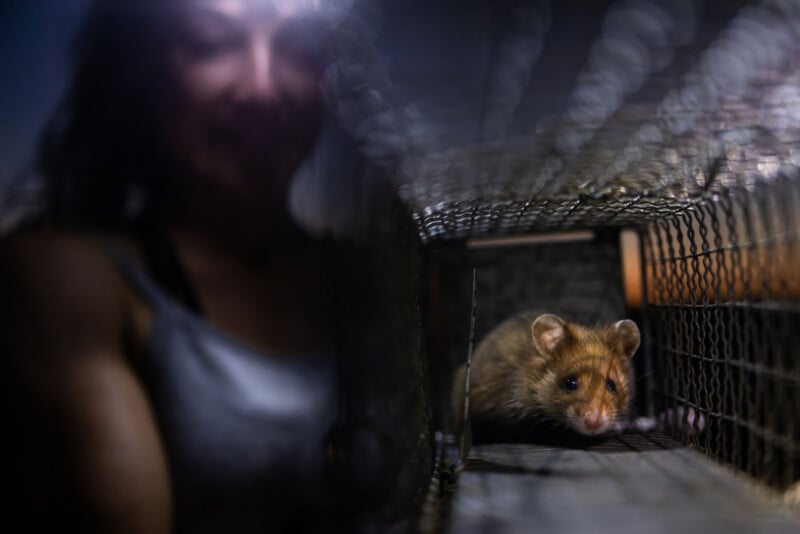
"Bringing a species back is never the work of a single organization or individual — it’s a collective effort. And that also means raising awareness and communicating the importance of conservation to a much wider audience."
Viktoria Pezzei on the Language of Photography
Competition judge Viktoria Pezzei underscored the vital psychological role that wildlife imagery plays in modern society:
"The winning and commended images capture the essence of how humans and wildlife can live side by side. Photography like this translates the complex relationships between humans and wildlife, ultimately helping us understand them better."
Fabian Thorand and Silke Hüttche on Protected Wilderness
Fabian Thorand, whose commended photo “Peaceful European Bison” depicts two massive herbivores resting peacefully in a Polish meadow, shared his vision for human-wildlife dynamics:
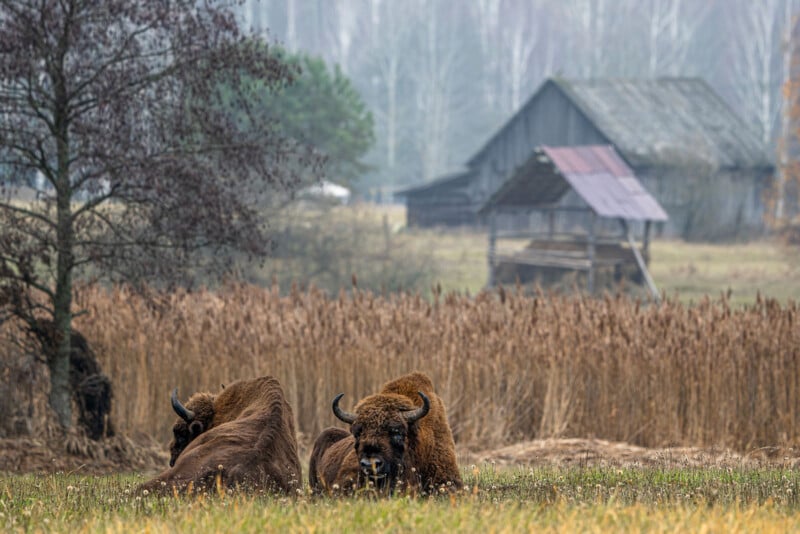
"I hope to show how beautiful and peaceful coexistence with animals can be, even with such large ones. I believe it’s important to see nature not only as our environment, but as a natural habitat for wild animals that are worth protecting. Bison play a really important ecological role, but people have to learn how to live alongside them."
Meanwhile, Silke Hüttche pointed to the transformative power of unmanaged land in her remarks on “The Call of the Eagles”:
"I have seen how the natural processes at work in Anklamer Stadtbruch have boosted the abundance and diversity of species found there. Today I know how incredibly important such new wilderness is."
Implications: What the 2026 Awards Mean for the Future of Conservation
The breadth of images honored in the 2026 Rewilding Europe Award offers several critical takeaways for policymakers, conservationists, and urban planners moving forward.
1. The Blurring Lines Between "Wild" and "Civilized"
For decades, conservation policy operated on a segregationist model: humans lived in cities and farmed the countryside, while nature was cordoned off into national parks and strict nature reserves. Images like Wieczorek’s “Urban Beavers” shatter this dichotomy. Wildlife is increasingly adapting to human-dominated landscapes. Urban planners must now account for ecological corridors within city limits, integrating green infrastructure, wildlife crossings, and water management systems that accommodate animal populations.
2. A Spectrum of Intervention
The contrast between the beaver (which thrives when humans simply step back and offer protection) and the European hamster or European lobster (which require intensive, hands-on scientific intervention) proves that there is no single template for rewilding. Conservation strategies must remain flexible, combining passive habitat recovery with active species management depending on ecological needs.
3. The Economic and Cultural Value of Biodiversity
Successful rewilding is rarely achieved without the buy-in of local communities. Whether it is Cornish fishermen supporting lobster repopulation programs, or Polish citizens tolerating the localized flooding caused by urban beavers, grassroots acceptance is essential. As these award-winning photographs demonstrate, when local populations recognize the intrinsic and economic value of a restored ecosystem, coexistence transitions from a theoretical ideal into an everyday reality.
Ultimately, the 2026 Rewilding Europe Award serves as an optimistic reminder that nature is profoundly resilient. Whether through the quiet recovery of an eagle-filled peatland or the industrious nocturnal habits of city-dwelling beavers, nature can endure and flourish—provided we give it the space, time, and respect it needs.
 Basiran
  Dwi Wanna