
 By Dwi Wanna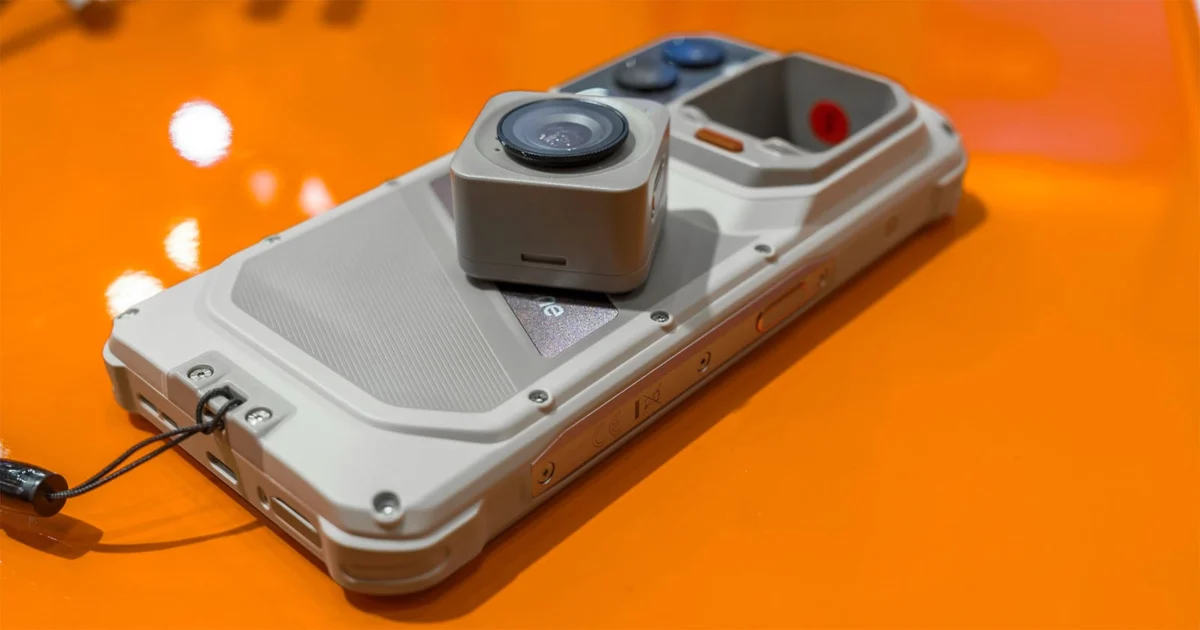
Main Facts
The tech world has long sought the ultimate hybrid device—one that marries the daily utility of a pocket computer with the extreme capabilities of specialized hardware. Enter the RugOne Xsnap 7 Pro, a device that redefines the boundaries of mobile engineering. Unveiled at IFA 2026 in Berlin by RugOne—an adventure-oriented sub-brand of the renowned rugged phone manufacturer Ulefone—this handset features a fully functional, detachable action camera that snaps out of its rear chassis.
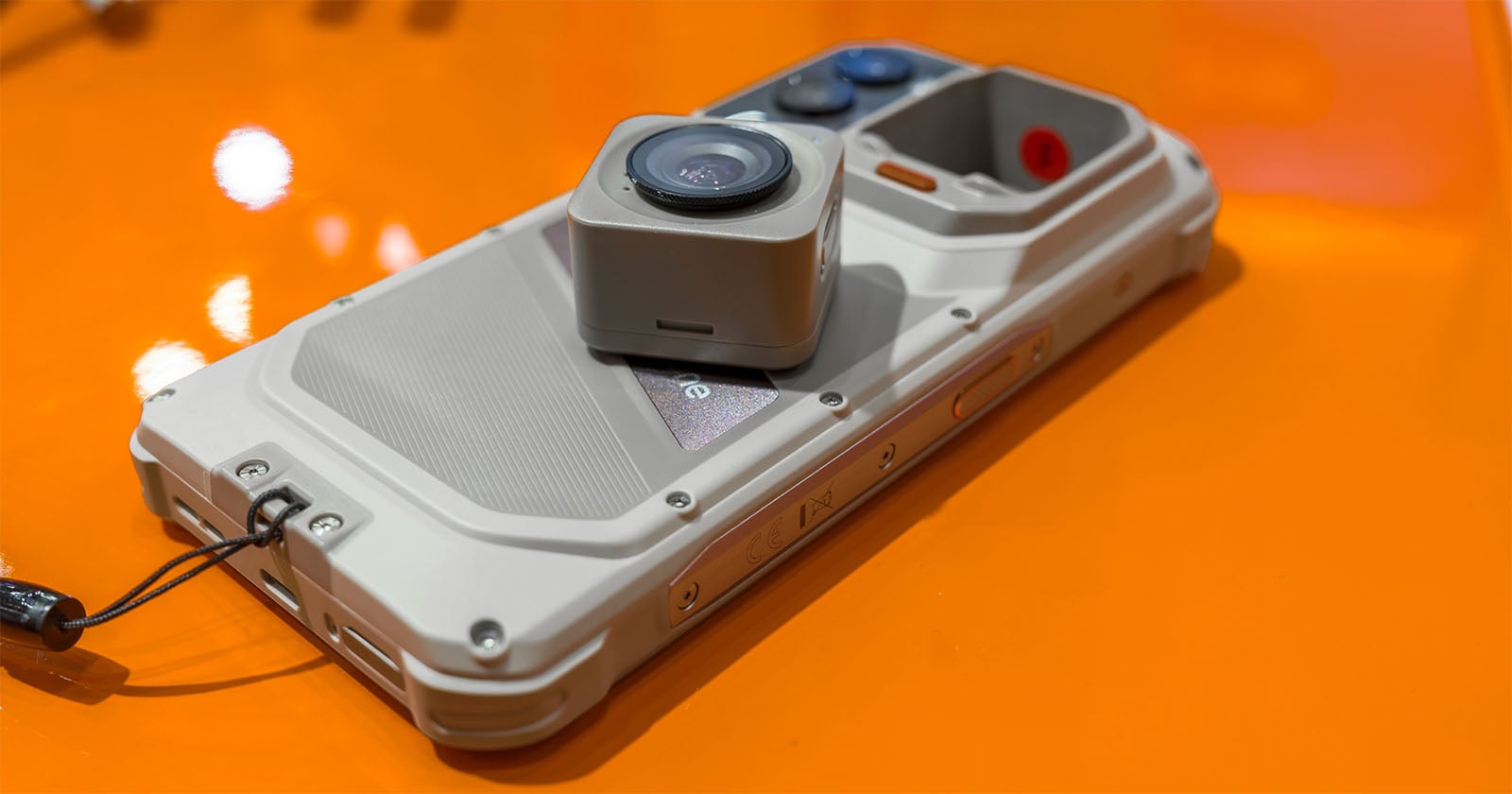
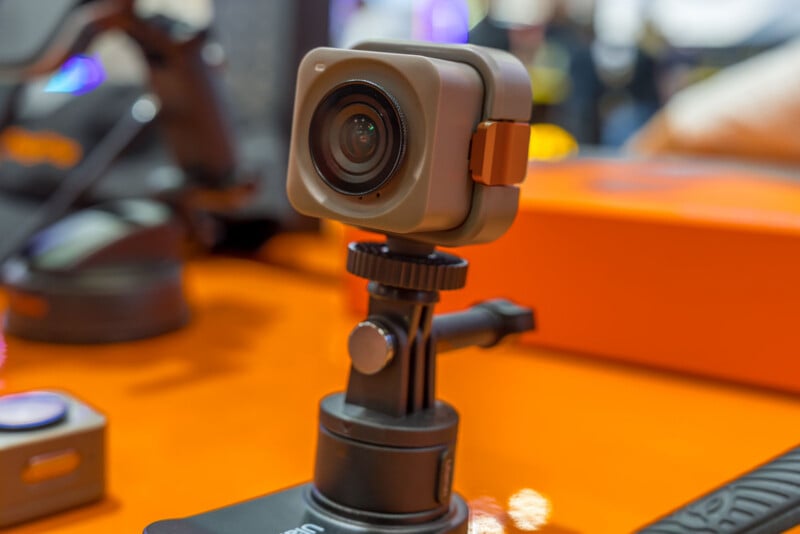
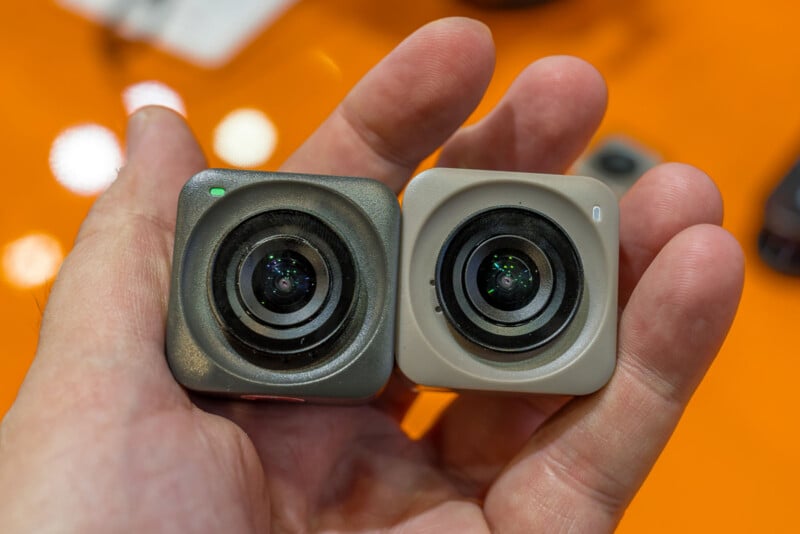
Rather than relying purely on digital wizardry or a standard smartphone lens array, the Xsnap 7 Pro allows users to physically pull a 39-gram, cube-shaped action camera out of the back of the phone, mount it to a helmet, chest harness, or bike, and control it wirelessly from up to 50 meters away using the Xsnap Go app.
Core Specifications at a Glance:
- The Detachable Action Camera: Records up to 2.7K resolution at 30fps with a 133-degree field of view (FOV). Equipped with a Type 1/2.7 image sensor, 64GB of built-in storage, SteadyX electronic stabilization, and Horizon Lock.
- The Smartphone Body: Features a 6.67-inch 1.5K AMOLED display with a 120Hz refresh rate and Corning Gorilla Glass Victus protection.
- Internal Hardware: Powered by the MediaTek Dimensity 8400 chipset, paired with 12GB of RAM and 512GB of onboard storage (expandable via microSD on the phone, though the camera module lacks a card slot).
- Battery & Endurance: A massive 9,300mAh battery capable of recharging the detachable camera roughly 20 times, yielding a combined total of up to 800 minutes of recording time.
- Durability Ratings: IP68 and IP69K dust and water resistance, MIL-STD-810H shock certification, and a 1.5-meter drop-proof rating.
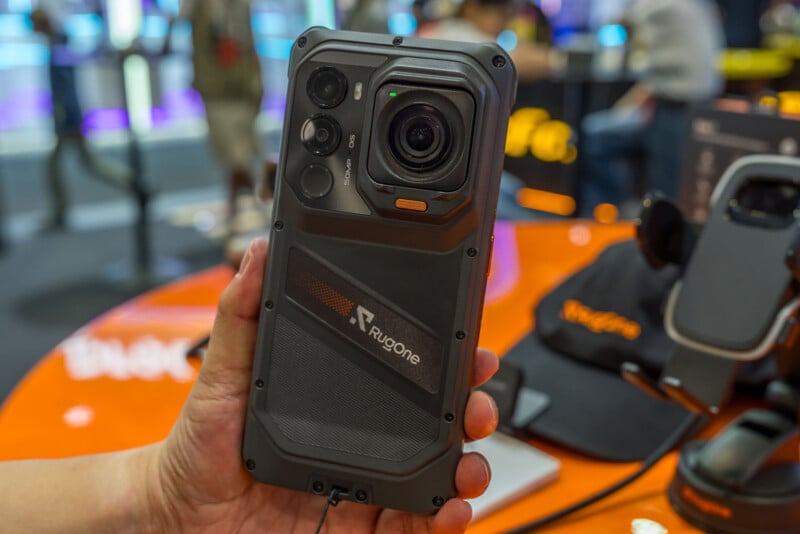
- Additional Optics: A 50-megapixel main wide camera (Samsung Isocell GN9 sensor with OIS) and a 64-megapixel infrared night-vision sensor backed by dedicated IR LEDs.
- Pricing and Availability: Launched via Kickstarter with an early-bird price of €799, followed by a global retail release scheduled for October at a suggested retail price of $999.
Chronology
The journey of the Xsnap 7 Pro from concept to commercial reality reflects an aggressive push toward hardware modularity in extreme environments.
Phase 1: The Incubation of Modularity (2024–2025)
While mainstream smartphone manufacturers have chased thinness, folding glass, and computational photography, niche brands focusing on outdoor utility recognized a gap in the market. Action cameras from companies like Insta360 (with the Go series), DJI (with the Osmo Nano), and Dreame (with the Leaptic Cube) successfully experimented with separating small lenses from viewing displays or charging cases. However, none of these systems integrated a standalone action camera directly into the housing of a fully functional, high-end communication device. Ulefone’s leadership identified that outdoor enthusiasts—such as dirt bikers, mountaineers, and off-road overlanders—were constantly forced to pack separate camera systems, batteries, and charging hubs alongside their heavy-duty phones.
Phase 2: Berlin Debut at IFA 2026 (September 2026)
RugOne officially pulled the curtain back on the Xsnap 7 Pro during IFA 2026 in Berlin. The announcement immediately drew crowds and tech journalists skeptical of how a pop-off mechanical camera would survive high-vibration activities without falling out. Demonstrations at the convention floor showcased the dual-locking physical latches and strong rear-recess magnets designed to keep the camera secured during transit while allowing manual removal with a firm pull.
Phase 3: Global Kickstarter Launch and October Rollout (October 2026)
To gauge early adopter enthusiasm and offset the high manufacturing costs associated with such an unusual mechanical chassis, RugOne launched the device on Kickstarter with an early-bird backing tier of €799. Simultaneously, retail distribution channels prepared for a full global rollout priced at $999, bringing the device directly to outdoor retail outlets and online electronics distributors.
Supporting Data
The Xsnap 7 Pro does not compromise on brute specifications, though its unique physical design results in a footprint that breaks conventional smartphone ergonomics.
Dimensions, Weight, and Build Quality
By modern standards, the Xsnap 7 Pro is an absolute brick—which is precisely the point for its target audience.
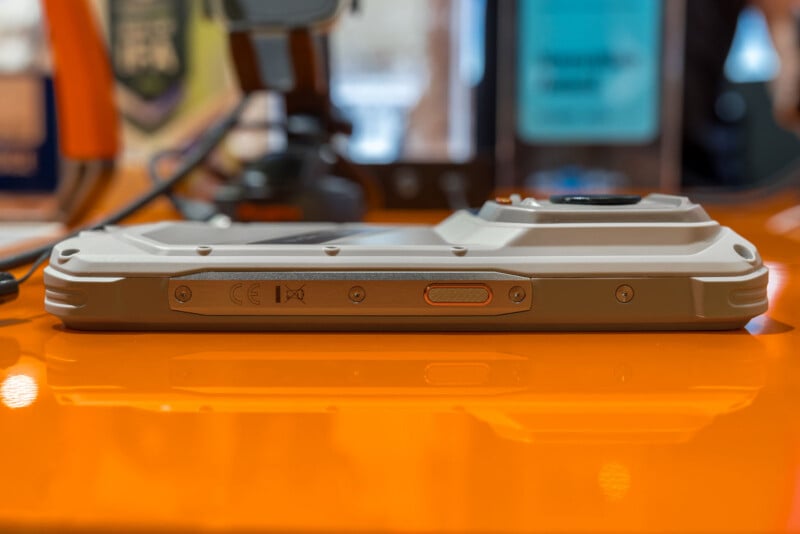
- Dimensions: 6.79 x 3.29 x 0.75 inches (172.5 x 83.4 x 19.1 mm)
- Weight: 477 grams (with the camera module attached)
- Camera Module Weight: 39 grams standalone
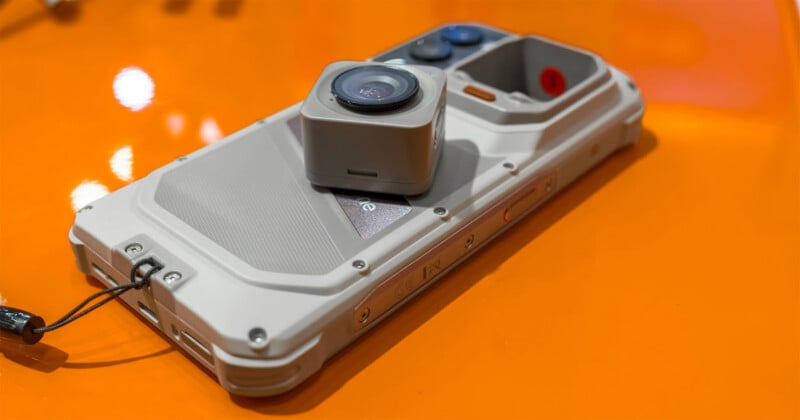
Because of its heavy-duty internal framing, thick rubberized corners, and the internal housing bay for the camera, it feels less like a daily commuter phone and more like a ruggedized field tool. The protruding lens on the camera module serves double duty as a screw-on, replaceable lens cap. If a user takes a hard spill on a mountain bike and scratches the glass, the cap can be unscrewed and swapped out, preventing catastrophic damage to the core optic.
Power Management and Endurance
Field longevity is where the Xsnap 7 Pro separates itself from traditional flagships. The phone houses a gargantuan 9,300mAh battery. For comparison, standard consumer flagships rarely cross the 5,000mAh threshold.
- The standalone camera module runs for up to 40 minutes of continuous 2.7K shooting on its internal battery, utilizing its own 64GB storage pool.
- When placed back into the phone’s magnetic recess, the phone’s battery rapidly recharges the camera module. RugOne estimates that the phone can juice up the tiny camera roughly 20 times, providing an aggregate 800 minutes of recording time over a multi-day backcountry excursion without ever needing to find a wall outlet.
Optics and Sensor Breakdown
The imaging configuration is split between traditional smartphone duties and action sports recording:
- The Detachable Action Cam: Features a Type 1/2.7 sensor recording at 2.7K/30fps with a 133-degree ultra-wide FOV. It utilizes SteadyX electronic stabilization (which applies an in-sensor crop) and Horizon Lock.
- The Main Phone Camera: Employs a 50-megapixel Samsung Isocell GN9 sensor (Type 1/1.57 size) featuring Optical Image Stabilization (OIS), offering significantly higher fidelity for everyday photography than standard rugged handsets.
- The Night Vision Sensor: A 64-megapixel OmniVision OV64B1B infrared sensor backed by dedicated IR LEDs. Rather than depending on low-light computational algorithms, it bathes the scene in invisible infrared light to render clear monochrome images in pitch-black environments.
Official Responses and Manufacturer Statements
During press briefings and product demonstrations at IFA 2026, RugOne representatives addressed the primary concerns surrounding the Xsnap 7 Pro’s mechanical design, durability, and target market positioning.
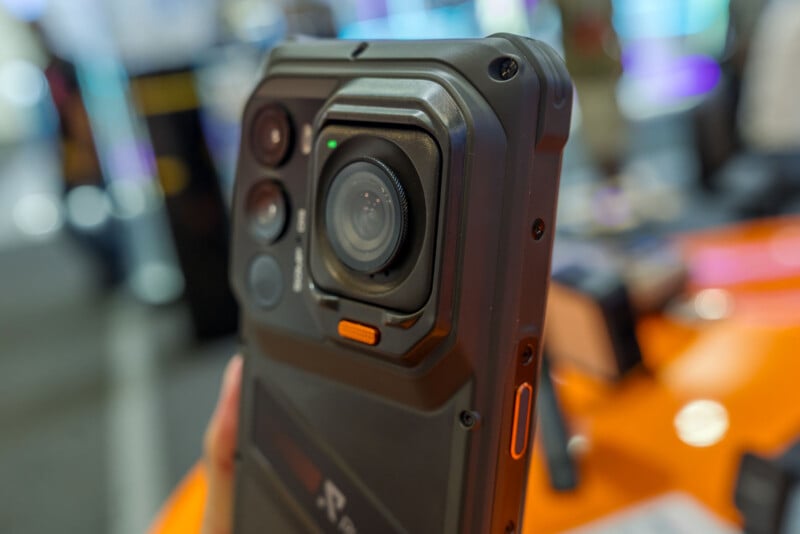
When questioned about the potential for the magnetic and mechanical latching system to wear out over years of heavy use, engineering spokespersons emphasized the inclusion of dual-locking physical latches alongside the heavy-duty rare-earth magnets.
"We knew that magnets alone would never survive the G-forces experienced by a dirt bike rider or a skydiver," noted a RugOne product representative. "The mechanical latches ensure that even during violent impacts or extreme tumbling, the camera module stays locked firmly into its recess until the user deliberately pulls it free."
Addressing the choice of a 2.7K maximum resolution for the detachable camera rather than pushing for 4K or 8K, representatives cited thermal management and battery efficiency. A smaller sensor recording at 2.7K generates manageable heat levels inside a sealed, unventilated 39-gram cube, preserving battery life and preventing thermal throttling during prolonged mounting sessions.
Regarding water resistance, RugOne maintains that the device meets IP68 and IP69K standards and is rated for up to 5 meters of direct submersion without needing an external waterproof housing. However, the company’s official documentation includes standard caveats noting that water seals naturally degrade with physical wear and tear, and accidental liquid ingress is excluded from the standard factory warranty.
Implications
The launch of the RugOne Xsnap 7 Pro carries profound implications for the future of mobile device design, the action camera market, and the niche segment of extreme-duty consumer electronics.
1. Blurring the Lines Between Communication and Capture
For over a decade, consumers have been told that smartphones can replace dedicated cameras. While true for casual street photography and social media posting, extreme sports enthusiasts have always kept action cameras (such as GoPro or Insta360 units) separate because phones are fragile, expensive to repair when dropped on rocks, and difficult to mount securely to helmets.
By integrating a ruggedized, pop-out action cam directly into the phone’s spine, RugOne proves that modularity can solve real-world logistical headaches. Users no longer need to pack a separate charging cable, mounting bracket ecosystem, or transfer hub for a secondary camera—the phone is the hub.
2. Market Disruption for Compact Action Cams
While the Xsnap 7 Pro’s 2.7K resolution and smaller Type 1/2.7 sensor cannot compete with flagship 4K/8K action cameras from industry giants, its sheer convenience poses an interesting challenge. Casual adventure seekers who only want occasional point-of-view footage may decide that carrying a separate $400 action camera is redundant when their rugged daily driver already includes one docked in the back.
3. Trade-Offs: Ergonomics vs. Utility
The most immediate implication for everyday users is the device’s physical profile. At 477 grams and nearly an inch thick, the Xsnap 7 Pro is heavy, bulky, and pocket-straining. It is explicitly not designed for consumers who value sleek, lightweight pocket profiles. It is a specialized tool built for field scientists, construction supervisors, extreme sports athletes, and outdoor adventurers who prioritize durability and multi-functionality above all else.
Looking Ahead
As the Xsnap 7 Pro transitions from its Kickstarter phase to a broader global retail footprint at $999, its reception will dictate whether other manufacturers explore modular hardware integration. If successful, we may soon see major mainstream brands experimenting with swappable modular attachments—transforming the humble smartphone from a static glass slab into a true Swiss Army knife of digital creation.
 Basiran
  Ammar Sabilarrohman