
 By rifanmuazin
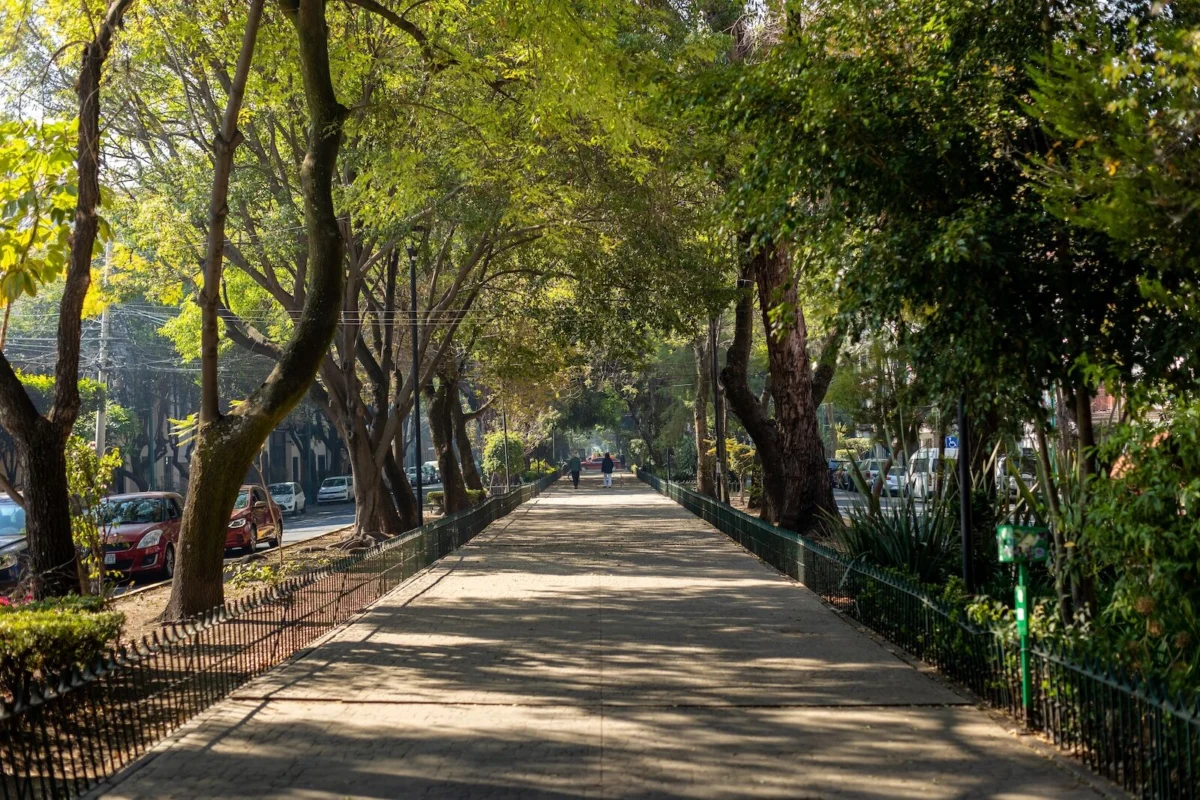
In the rapidly evolving landscape of Mexico City’s hospitality scene, where glass-and-steel monoliths often prioritize minimalist sterility over local character, the Hotel San Fernando stands as a defiant, elegant outlier. Located on Iztaccíhuatl Street in the heart of the Hipódromo district of Condesa, the hotel is not merely a place to sleep; it is a meticulously preserved time capsule that honors the city’s Art Deco heritage while providing a modern, boutique luxury experience.
For the traveler who values historical resonance over brand uniformity, the San Fernando offers a rare, immersive lens through which to view Mexico City. Here, history is not a design trend applied to a lobby wall—it is the very architecture that shields you from the city’s frantic pace.
Main Facts: The Intersection of History and Modernity
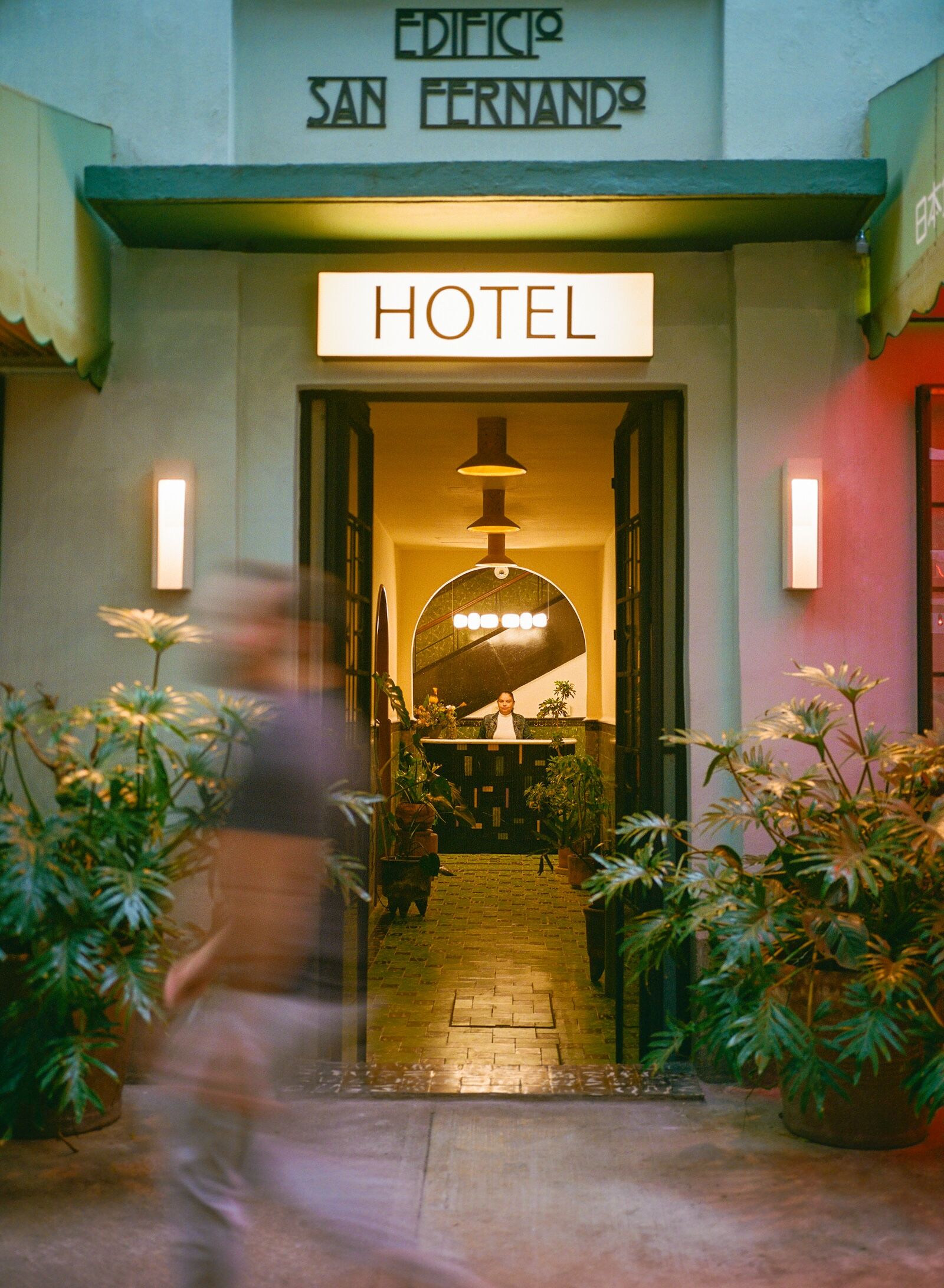
Hotel San Fernando is housed within the historic Edificio San Fernando, an apartment complex completed in 1947. The project is the result of a creative partnership between the Austin-based hospitality group Bunkhouse Hotels and the Mexico City-based architectural and development studio Reurbano. Together, they have transformed the site into a 19-room sanctuary that feels less like a hotel and more like a private, prewar residence.
- Location: Iztaccíhuatl Street, Hipódromo, Condesa, Mexico City.
- Architecture: 1947 Art Deco apartment block, restored with original encaustic tiles and stained-glass details.
- Room Count: 19 unique rooms, ranging from 220-square-foot Sencillas to 595-square-foot Ocio Suites.
- Starting Price: From $199 per night.
- Amenities: Lounge Fernando (lobby bar), rooftop terrace, complimentary breakfast, and curated local art.
- Policy: Dog-friendly; no elevator access (stairs only).
Chronology: A Building Reborn
The story of the San Fernando begins in the post-war boom of the late 1940s, a period when Mexico City was defining its architectural identity through European-influenced Art Deco and mid-century modernism. The Edificio San Fernando was built as a residential apartment complex, a purpose it served for decades before the recent intervention.
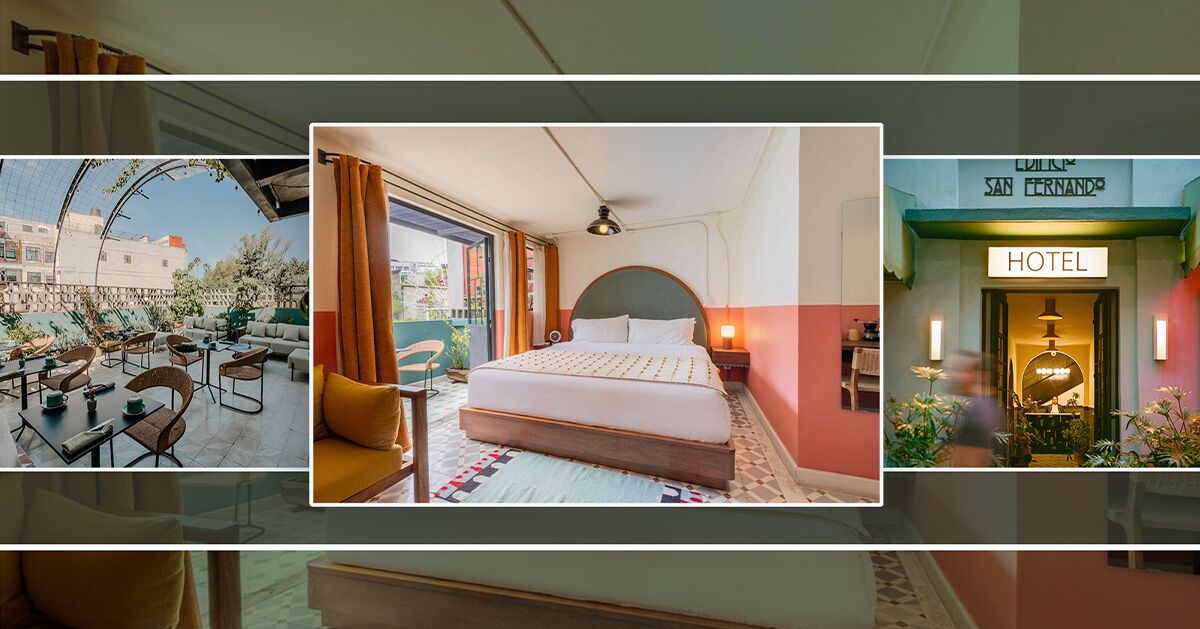
When Bunkhouse Hotels and Reurbano took on the project, the primary challenge was the "sanding off" of history—the common industry practice of stripping away the old to make room for the generic. Instead, the team opted for a sympathetic restoration.
- The Restoration Phase: The original curved metal door panes were preserved and refitted with modern, historically accurate glass. The building’s signature floor-to-wall encaustic tiles, featuring a distinctive abstract white-on-green pattern, were cleaned and restored to their original luster.
- The Interior Curation: Rather than sourcing decor from international catalogs, the design team commissioned local talent. Works by Mexico City artists Pedro Friedeberg and Ricardo Guevara, along with furniture from local studios like La Metropolitana and Originario, were integrated into the rooms and common areas.
- The Modern Launch: The hotel opened its doors with a mission to serve as a hub for the neighborhood, bridging the gap between the building’s 1947 origins and the contemporary creative energy of modern-day Condesa.
Supporting Data: An Immersive Guest Experience
The Aesthetics of Memory
Walking through the corridors of the San Fernando is a sensory experience. The walls are lined with wainscoting that harkens back to the 1940s, and the building’s five-story open spiral staircase—crowned by tiered rattan pendants—acts as a vertical atrium. Perhaps the most striking features are the stained-glass installations, which cast deep hues of turquoise, emerald, lavender, and ochre across the hallways, creating a shifting light show throughout the day.
The Room Experience
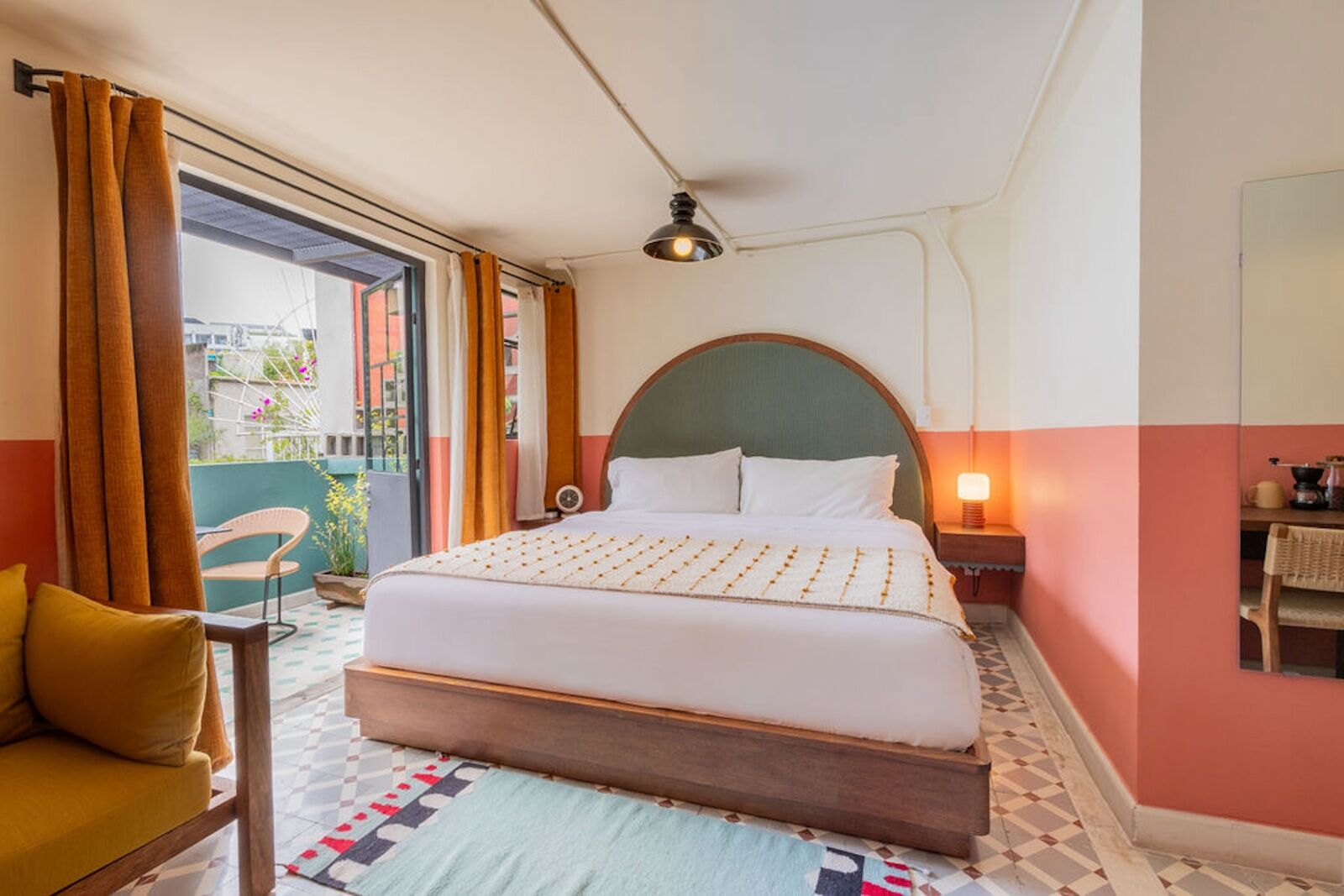
The rooms at the San Fernando utilize the original apartment footprints, ensuring that no two spaces feel identical. The design palette is intentionally bold, featuring walls blocked in vibrant coral, contrasted by warm-stained built-ins and hand-pinched ceramic bedside lamps from the Oaxacan studio Oaxifornia.
Key functional details include:
- Kitchenettes: Every room features a minimalist kitchen setup, complete with a Chemex-style pour-over coffee station.
- Luxury Touches: Guests are provided with signature Bunkhouse kimono-style robes and Malin+Goetz bath products.
- Linens: High-thread-count textiles are sourced from Kassatex, ensuring a balance between aesthetic appeal and tactile comfort.
Lounge Fernando and Rooftop Dining
The lobby bar, Lounge Fernando, serves as the hotel’s social anchor. With its marble-topped clay-tile bar and custom chandelier by Rebeca Cors, it offers a sophisticated menu that highlights regional Mexican spirits, including pox, sotol, bacanora, and raicilla. The non-alcoholic options, such as the ginger-and-chia-infused Genjibrada, demonstrate that the hotel prioritizes quality across the entire menu.
The rooftop terrace offers a more intimate setting, accessible only to guests. It features breeze blocks—a staple of Mexican mid-century architecture—that echo the curves of the lobby windows. The complimentary breakfast, featuring fresh seasonal fruit, pan dulce, and high-quality chilaquiles, provides an elevated start to the day.
Official Responses and Strategic Vision
Bunkhouse Hotels has long been known for its "community-first" approach to hospitality. By partnering with Reurbano, they aimed to move beyond the traditional "hotelier" role and become "neighborhood stewards."
In various design discussions surrounding the property, the focus has consistently remained on the concept of "lived-in" luxury. The collaboration with La Metropolitana for furniture design was a strategic decision to support local manufacturing while ensuring that the hotel’s furniture would age gracefully alongside the building. The hotel’s commitment to hosting cultural programming—such as the live Spanish-language lounge music on Saturday nights—is a deliberate effort to ensure the space remains a living, breathing part of the neighborhood, rather than an isolated fortress for tourists.
Implications: The Future of Urban Boutique Stays
The success of the Hotel San Fernando suggests a significant shift in traveler preferences. As global tourism becomes more homogenous, travelers are increasingly seeking out "authentic" markers of place. By preserving the Edificio San Fernando, the developers have successfully proven that historical architecture is not a burden to be modernized out of existence, but a competitive advantage.
Considerations for the Traveler
While the hotel offers a peerless aesthetic experience, it is not without its trade-offs:
- Accessibility: The lack of an elevator is a significant factor for those with mobility concerns or heavy luggage.
- Acoustics: The property is situated in the vibrant, bustling heart of Condesa. Lower-floor rooms will experience urban noise, which, while part of the neighborhood’s charm, may be difficult for light sleepers.
- Neighborhood Engagement: The hotel’s proximity to Parque México and iconic culinary spots like Tacos Atarantados and El Moro makes it an ideal base for explorers. However, guests should be prepared to engage with the city at street level; the hotel encourages wandering, and the surrounding streets are best experienced on foot.
The Bottom Line
The Hotel San Fernando is a masterclass in adaptive reuse. It manages to be both a respectful guardian of Mexico City’s mid-century history and a forward-looking boutique property that understands what the modern, discerning traveler needs. It is a reminder that the most luxurious thing a hotel can offer isn’t just a high thread count or a room service menu—it is a sense of belonging to a place with a story.
Whether you are sipping a raicilla cocktail in the lobby as a guitarist plays in the corner or enjoying chilaquiles on the roof as the city wakes up, the San Fernando ensures you are not just visiting Mexico City—you are living in it. For those willing to navigate the stairs and embrace the energy of the streets outside, this hotel offers perhaps the most authentic window into the soul of Condesa available today.
 Iffa Jayyana
 Lina Irawan
 Basiran
