
 By Lina Hope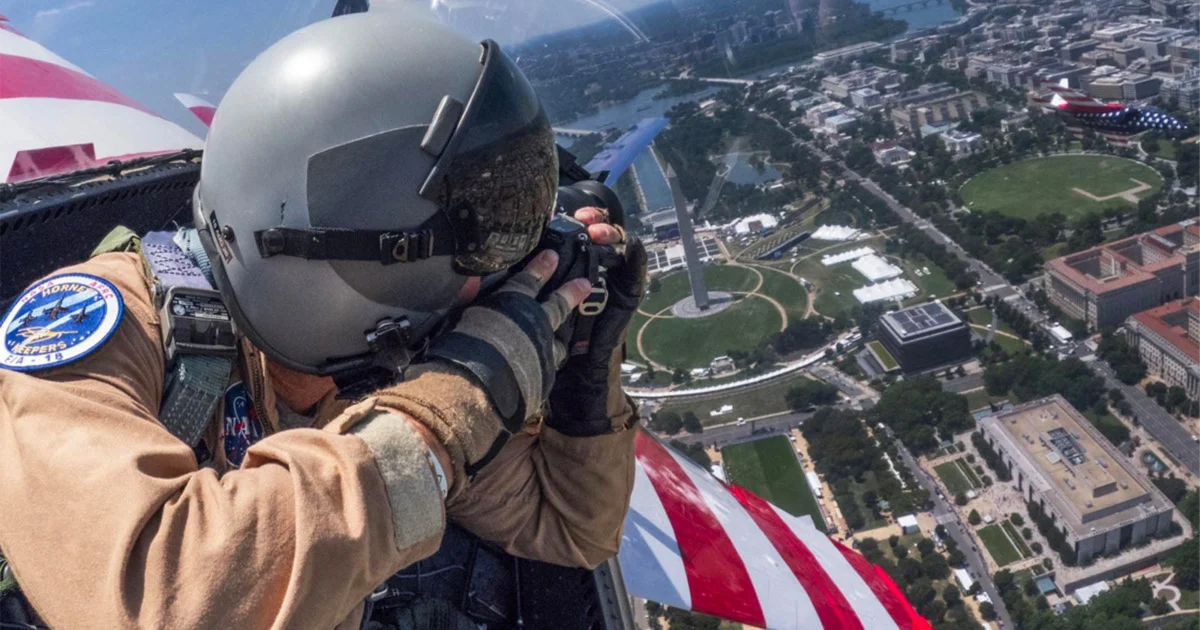
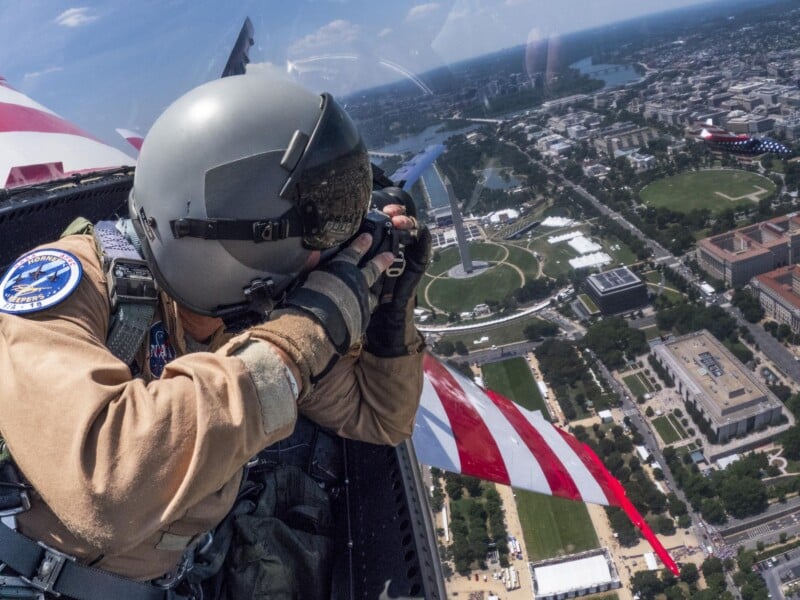
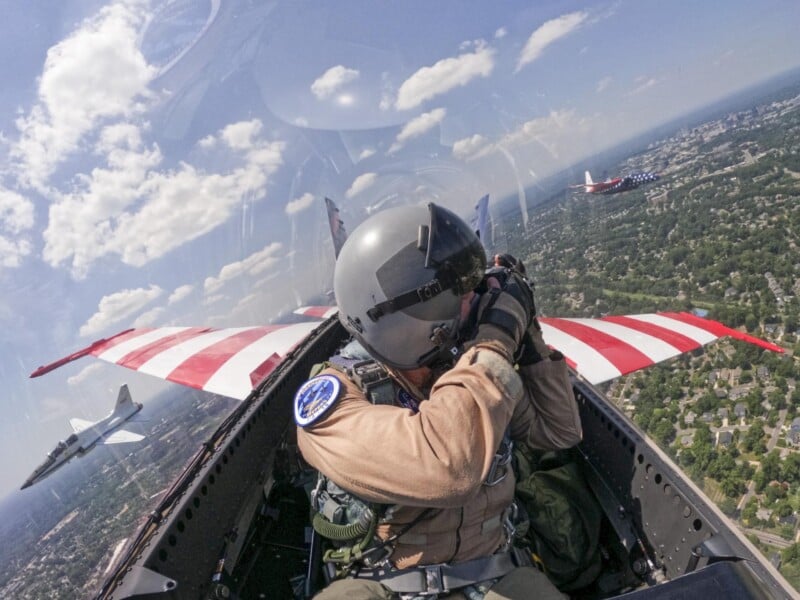
WASHINGTON, D.C. — As the United States marked its historic 250th anniversary on July 4, 2026, the skies above the National Mall were transformed into a canvas of red, white, and blue. In a breathtaking display of precision, patriotism, and technological prowess, NASA joined military partners to execute the "Freedom 250" flyover. Among those documenting the monumental occasion from the cockpit of an F/A-18 Hornet was veteran NASA photographer Jim Ross, whose career has spanned nearly four decades of capturing the agency’s most iconic moments.
The Main Facts: A Milestone in the Clouds
The Freedom 250 flyover served as the aerial centerpiece for the Great American State Fair, a massive celebration held on the National Mall. The event brought together thousands of spectators to witness a rare convergence of aerospace engineering and national pride.
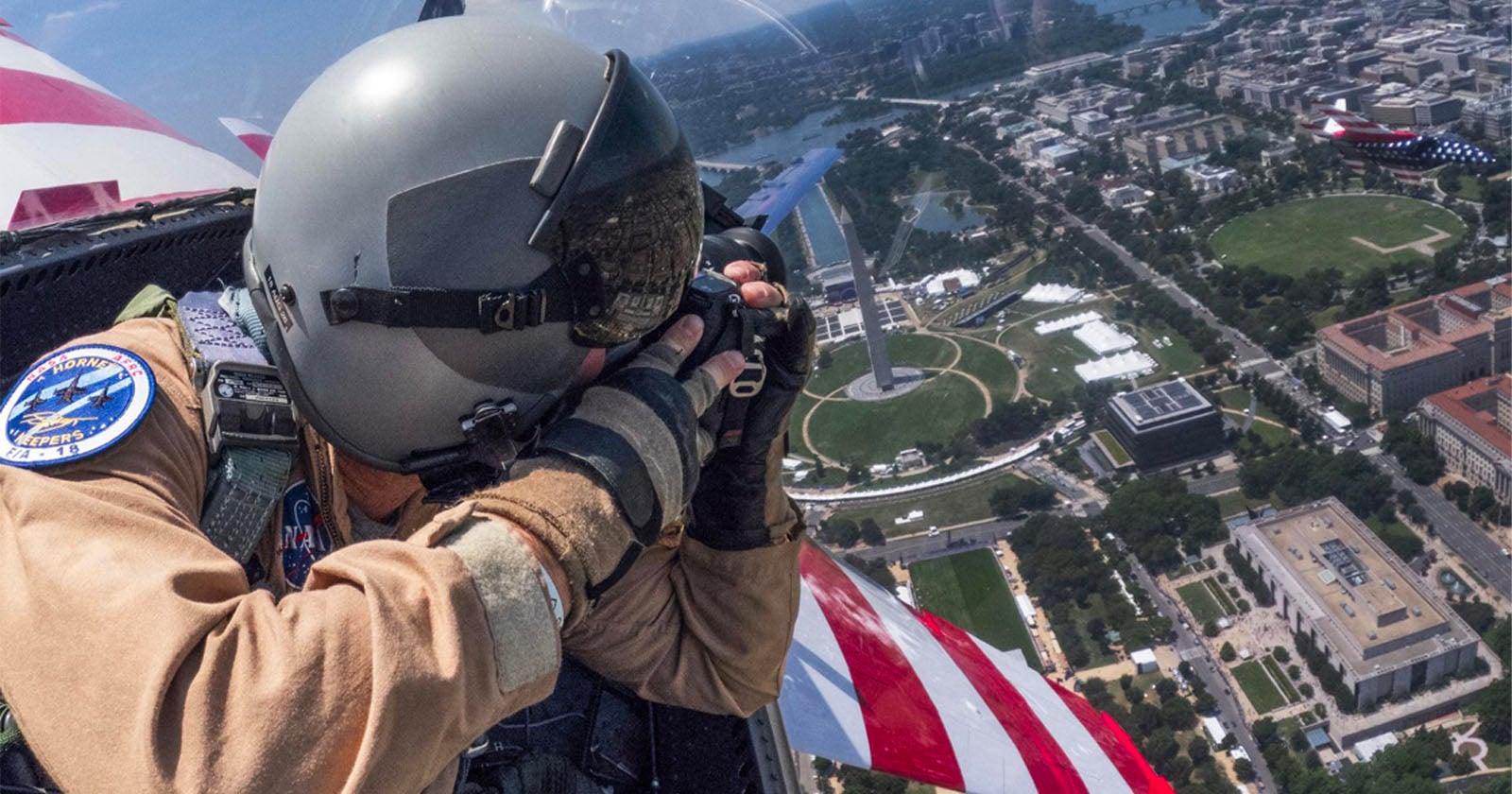
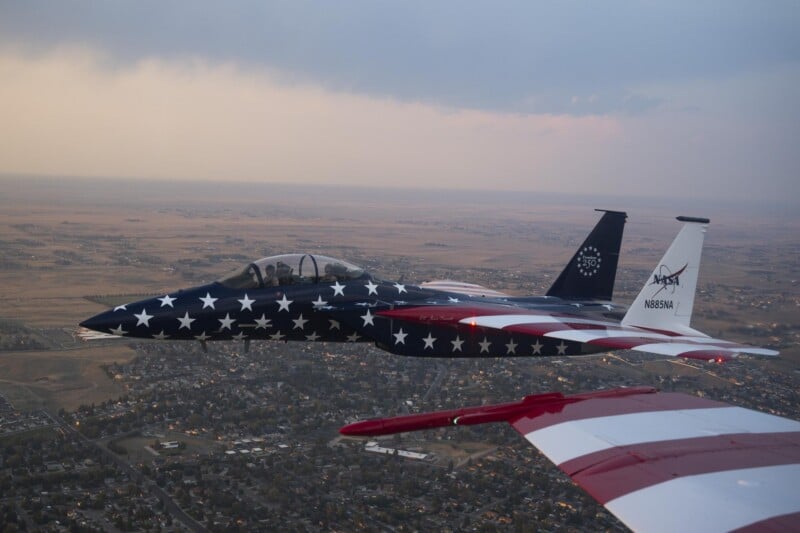
At the heart of the operation were specialized NASA aircraft—including F-15s, F/A-18s, and T-38 trainers—many of which had been freshly adorned with striking stars-and-stripes liveries specifically for the Sestercentennial celebration. The flyover was not merely a ceremonial gesture; it represented the culmination of a cross-country logistical effort that saw aircraft ferried from NASA’s Armstrong Flight Research Center in Edwards, California, to the nation’s capital.
For Jim Ross, who has been documenting NASA’s trajectory since 1989, the flight was a surreal full-circle moment. "I grew up in Bozeman, Montana, when it was still considered a small town," Ross remarked. "If someone had told that little kid that he would be flying in an F-18 over the National Mall, he would have never believed it."
Chronology: From the Pacific to the Potomac
The preparation for the July 4th event was a multi-day operation that tested the coordination between NASA’s flight operations teams and the Federal Aviation Administration (FAA).
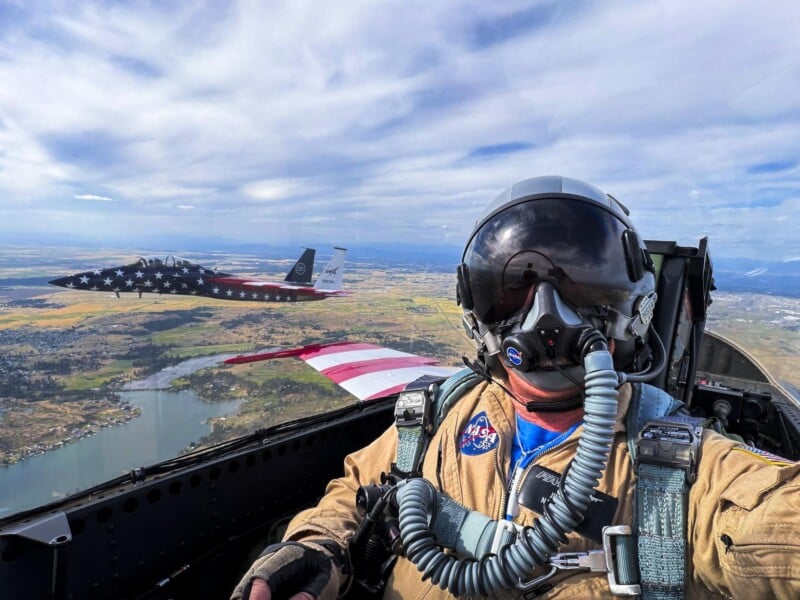
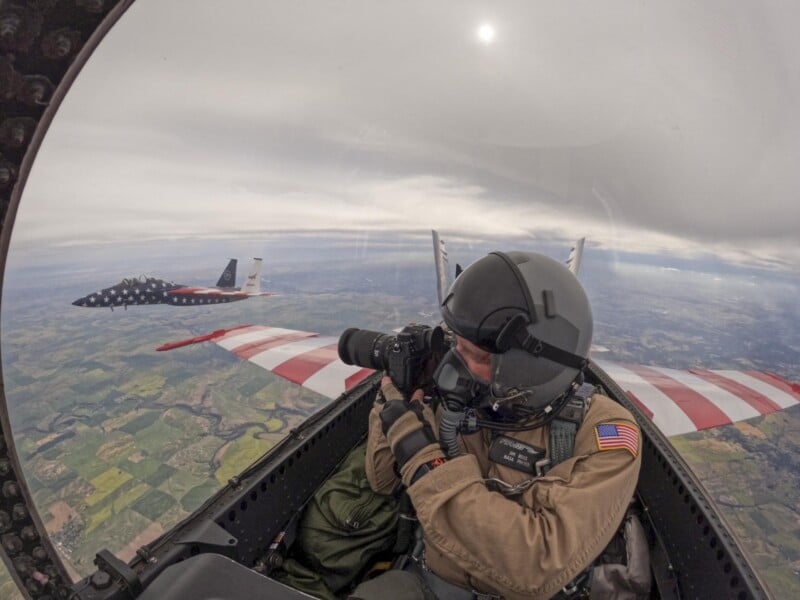
July 2, 2026: The journey began in earnest as a fleet of NASA aircraft departed from the Armstrong Flight Research Center in California. The transit served as a shakedown for the specialized, celebratory paint schemes. During the flight, which featured a stopover in Spokane, Washington, Ross captured intimate, behind-the-scenes photography from the cockpit. These images, including selfies taken while flying in tandem with an F-15, offered the public a rare glimpse into the life of an aerial photographer at 30,000 feet.
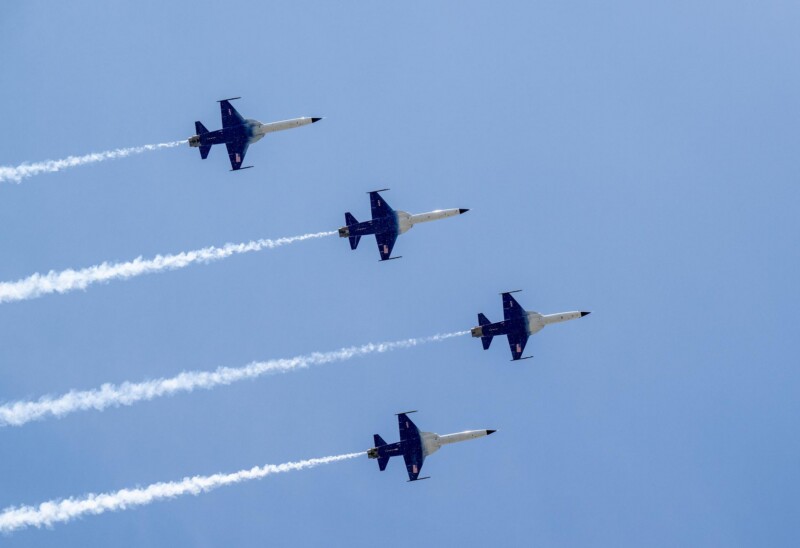
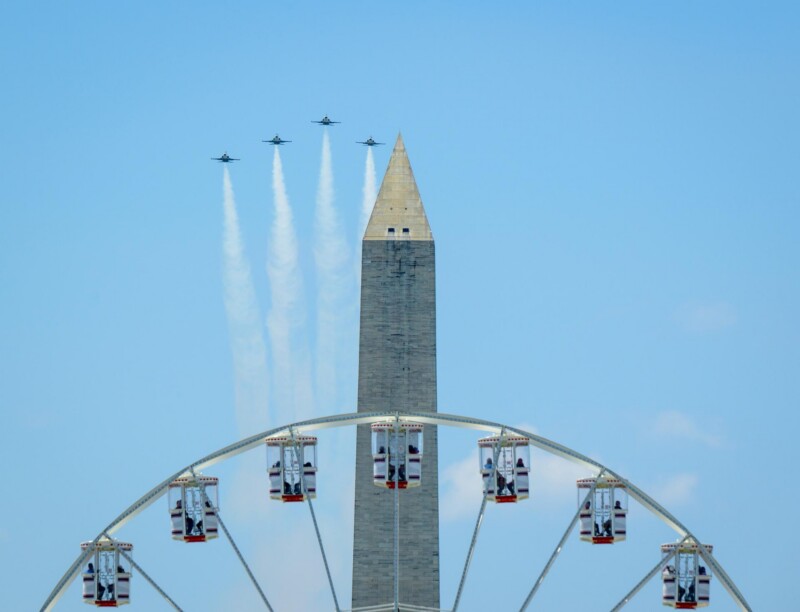
July 4, 2026: The morning of the 250th anniversary began with rigorous pre-flight briefings. As the Great American State Fair commenced on the National Mall, the NASA contingent synchronized with military aircraft to execute the flyover. The formation, led by NASA Administrator Jared Isaacman in his personal F-5 Tiger, traced the historic axis of the Mall, passing directly over the Washington Monument.
The Afternoon: Following the flyover, the focus shifted to the ground. Astronauts from the successful Artemis II mission—which recently returned from lunar orbit—participated in a series of panel discussions and public meet-and-greets. The day concluded with a celebration that bridged the gap between the nation’s foundational history and the future of deep-space exploration.
Supporting Data: The Engineering Behind the Spectacle
The logistics of the Freedom 250 flyover required meticulous planning. Operating a fleet of high-performance fighter jets over a densely populated metropolitan area like Washington, D.C., necessitates strict adherence to flight corridors, altitude restrictions, and safety protocols.
- Fleet Composition: The formation included NASA’s F/A-18, F-15, and T-38 aircraft. These platforms are typically used by the agency for high-speed research, chase-plane duties for space shuttle or rocket test programs, and pilot proficiency training.
- The Livery: The "Freedom 250" paint scheme was designed to evoke the spirit of the American flag. The application of these specialized coatings required weeks of work by maintenance crews at Armstrong to ensure the aerodynamic profile of the aircraft remained unaffected.
- Photographic Challenges: Capturing images from an F-18 moving at high speeds requires specialized equipment and physical endurance. Ross, using professional-grade DSLRs, had to account for high-G maneuvers, extreme vibration, and rapid shifts in lighting as the aircraft banked over the city.
Official Perspectives: Reflections on a Legacy
The presence of the Artemis II crew, including astronauts like Victor Glover, underscored the dual purpose of the event: celebrating the past while looking toward the future.
Administrator Jared Isaacman, who piloted his own aircraft during the formation, emphasized that the flyover was intended to inspire a new generation of Americans. "We are standing on the shoulders of giants," Isaacman noted in a post-flight briefing. "To see these aircraft flying over the seat of our government on our 250th birthday is a reminder that the same spirit of innovation that built this country is what will take us back to the Moon and on to Mars."
For Jim Ross, the experience was about more than just the technical aspects of photography. Having served as NASA’s photo lead since 1997, his work has become the institutional memory of the agency. "I love documenting history," he said. "Having the opportunity to capture flights and launches has kept me doing it for almost 37 years. It never gets old."
Implications: The Role of Public Engagement
The Freedom 250 flyover reflects a broader trend in how NASA interacts with the American public. In an era where space exploration is increasingly collaborative and commercialized, the agency’s public outreach efforts—such as the Great American State Fair—serve to demystify complex aerospace projects.
1. The Humanization of Technology
By showcasing the photographers, pilots, and astronauts behind the hardware, NASA humanizes its mission. Images of Jim Ross taking a selfie in a cockpit or Victor Glover fist-bumping a child at the fairground bridge the gap between abstract scientific achievement and individual aspiration.
2. A Commitment to STEM Inspiration
The visual spectacle of fighter jets leaving vapor trails over the Washington Monument is a powerful tool for STEM (Science, Technology, Engineering, and Mathematics) advocacy. By positioning these events within a cultural framework like the 250th birthday, NASA ensures that its mission remains relevant to a diverse audience beyond the aerospace community.
3. Historical Continuity
The event successfully tied the 250-year legacy of the United States to the ongoing success of the Artemis program. By honoring the past with a flyover and looking to the future with the Artemis II crew, the agency solidified its role not just as a research organization, but as a cultural pillar of American identity.
Conclusion
The 250th anniversary of the United States was marked by a synthesis of speed, color, and legacy. As the engines of the NASA fleet roared over the National Mall, they did more than just mark a birthday; they signaled the beginning of a new chapter in American exploration.
Through the lens of photographers like Jim Ross, the images of the Freedom 250 flyover will endure as a testament to this moment in time. They capture a nation that, after two and a half centuries, remains committed to the idea that the sky is not a limit, but a destination. As the dust settles on the National Mall and the jets return to their hangars, the message remains clear: the spirit of American ingenuity, much like the jets themselves, continues to climb.

For more information on NASA’s ongoing missions and future projects, visit the official NASA website or follow the Armstrong Flight Research Center for updates on future aerial research operations.
 Raul Delapena Setiawan
  rifanmuazin
  Ammar Sabilarrohman