Multi-account socialmediamanagement has evolved far beyond simply logging in and out of different browser tabs. In the modern digital ecosystem, it is the sophisticated practice of orchestrating a constellation of social profiles—spanning diverse brands, global regions, and segmented audiences—through one centralized, highly governed operating system.
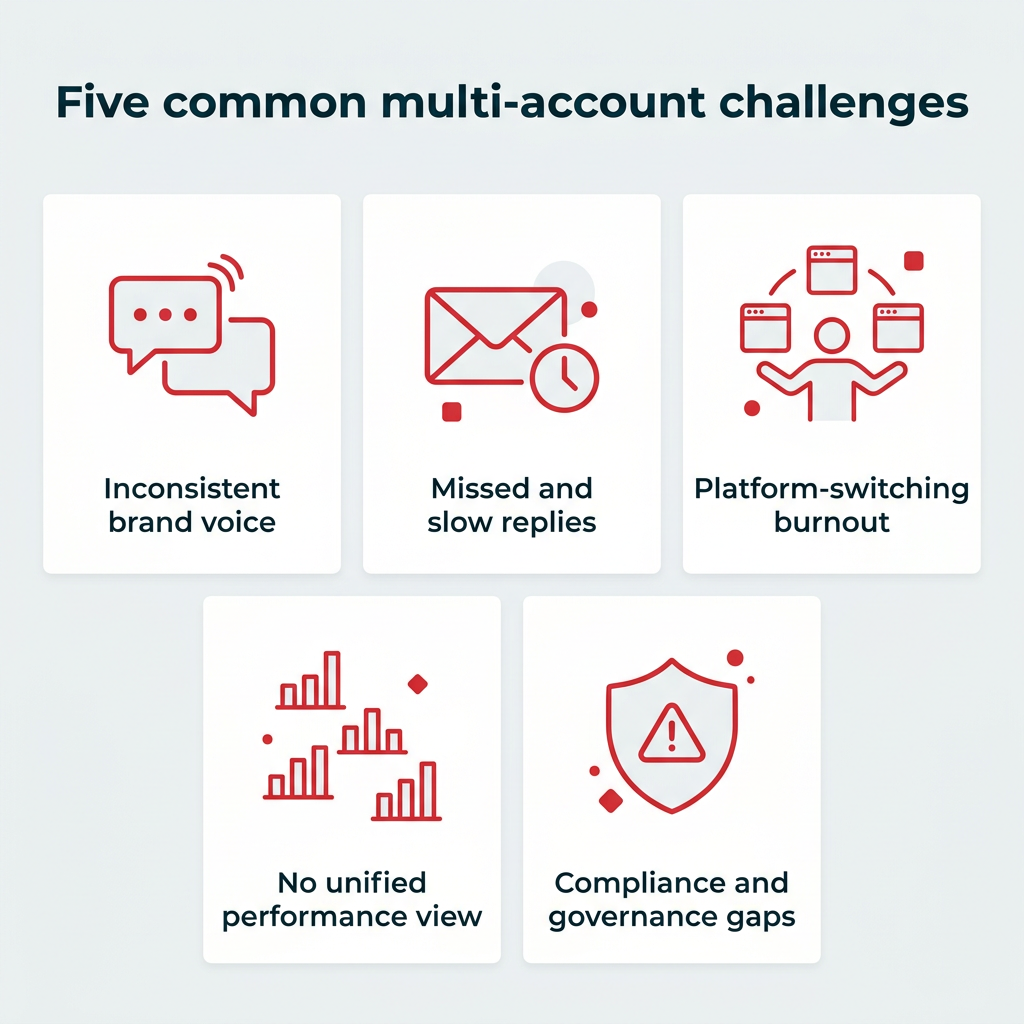
For modern enterprises and fast-growing agencies, this framework is no longer optional. Without a unified platform, operations unravel at an alarming speed: brand messaging becomes fractured, compliance and legal risks skyrocket, customer inquiries fall through the cracks, and marketing teams face severe burnout trying to keep pace with the 24/7 demands of social platforms.
With U.S. social network ad spending projected to surpass a staggering $121 billion, the pressure on leadership to prove tangible return on investment (ROI) has never been higher. Yet, managing dozens of accounts simultaneously introduces inherent friction. Without robust structure, teams fall victim to recurring bottlenecks: inconsistent brand voices, crippled engagement rates, context-switching fatigue, and a complete lack of cross-channel visibility.
To combat these challenges, industry leaders are shifting away from fragmented tools and adopting unified social operating systems. By standardizing planning, publishing, customer care, and analytics into a single interface, organizations can protect their brand equity while scaling their footprint efficiently.
Chronology & Evolution: From Manual Chaos to Unified Social OS
The management of brand footprints across social media has undergone a radical transformation over the past decade.
The Early Era (Early 2010s): Social media management was largely decentralized and manual. Marketing professionals relied on native mobile apps, shared password spreadsheets, and disjointed calendar tools. As brands expanded to two or three platforms, the workflow remained manageable, albeit inefficient.
The Rise of Point Solutions (Mid-to-Late 2010s): As platforms multiplied (Instagram, LinkedIn, Pinterest, TikTok), specialized tools emerged to solve publishing and basic scheduling. However, these tools remained siloed. Teams could schedule posts, but customer service inquiries, social listening, and compliance approvals lived in entirely separate ecosystems.
The Convergence Era (2020–2024): Industry analysts like Gartner began recognizing the convergence of social media management and social listening into a single strategic market. Enterprises demanded unified dashboards that could handle not just outbound publishing, but inbound customer care and sentiment analysis.
The AI and Social OS Revolution (2025–2026): Today, managing multiple accounts requires an integrated "Social Operating System" (Social OS). Powered by native artificial intelligence layers, modern platforms do more than just schedule content—they draft copy, analyze cross-brand performance, surface contextual listening insights, and route multi-level approvals automatically.
Supporting Data & Platform Demographics
Navigating multiple accounts effectively requires a deep understanding of where target audiences actually spend their time, as well as how often brands should publish to maximize algorithmic reach.
Audience Fragmentation by Platform
Platform preferences vary sharply across demographics, making a "spray and pray" approach obsolete:
Gen Z and Millennials (Ages 18–29): Roughly 80% of adults in this demographic actively use Instagram, making visual, story-driven platforms ideal for younger consumer brands.
Older Demographics (Ages 65+): Participation drops significantly, with only about 19% engaging on visually heavy, fast-moving apps, redirecting focus toward community-centric or professional networks.
Recommended Publishing Frequencies
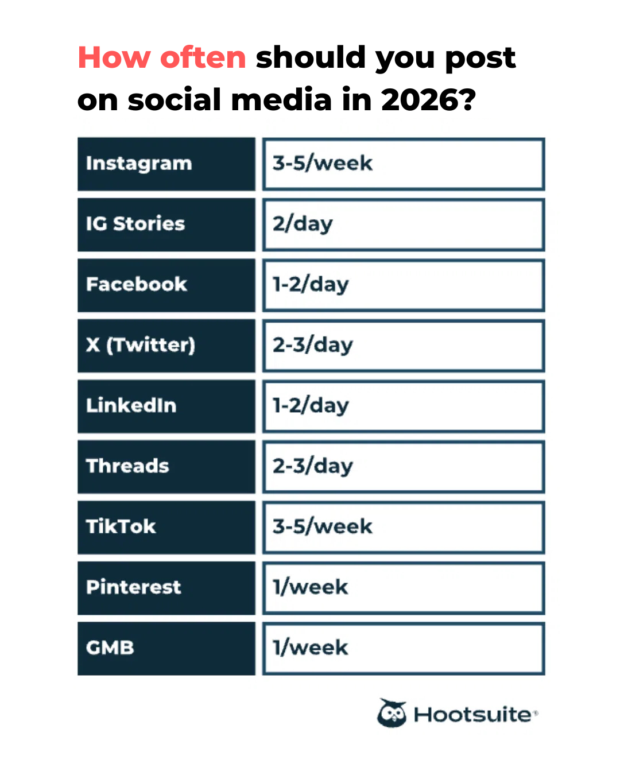
Hootsuite’s extensive algorithm research underscores the vast volume of content required to maintain momentum across channels:
Instagram & TikTok: 3 to 5 posts per week.
Facebook & LinkedIn: 1 to 2 posts per day.
X (formerly Twitter) & Threads: 2 to 3 posts per day.
Pinterest & Google Business Profile: Approximately 1 post per week.
Managing this sheer volume of content manually is a recipe for disaster. Organizations must implement a structured, 10-step system to reclaim their workflow, streamline execution, and eliminate operational friction.
Official Insights & Expert Strategies for Multi-Account Mastery
Managing multiple profiles successfully requires breaking down the process into repeatable, highly optimized actions. Industry practitioners emphasize that strategic organization is the ultimate safeguard against burnout.
1. Define Clear Purpose and Goals for Each Account
When running multiple brands, a lack of clarity leads to overlapping content and mixed messaging. Every account must have a defined mission, target audience, key performance indicators (KPIs), and assigned budget to avoid duplicate work.
2. Choose the Right Platforms Wisely
You do not need to be everywhere. Focus exclusively on the channels where your audience resides and where your content format thrives. If an account yields zero meaningful return after a few months, pivot or shut it down. Managing fewer platforms with excellence beats managing all of them poorly.
3. Centralize Operations with a Social Media Management Tool
Jumping between tabs and apps all day drains productivity. Jose-Andres Camacho, Social Media Strategist at Intuit Mailchimp, stresses that the first step to preserving your sanity is centralization.
"To start, try to gather all your social media accounts in one place," Camacho advises. "This makes it easier to streamline workflows, pull cross-brand and cross-account reports, and benchmark performance… Trust me, this alone can save your sanity."
4. Create Reusable Templates and Batch Your Tasks
Avoid starting from scratch. Build robust template folders (via Canva, Dropbox, or integrated media libraries) for standard post types. Pair these templates with task batching. Group similar tasks—such as content creation, scheduling, and approvals—into dedicated focus blocks using methods like the Pomodoro Technique or 90-minute deep-work sessions.
5. Schedule Ahead While Staying Agile
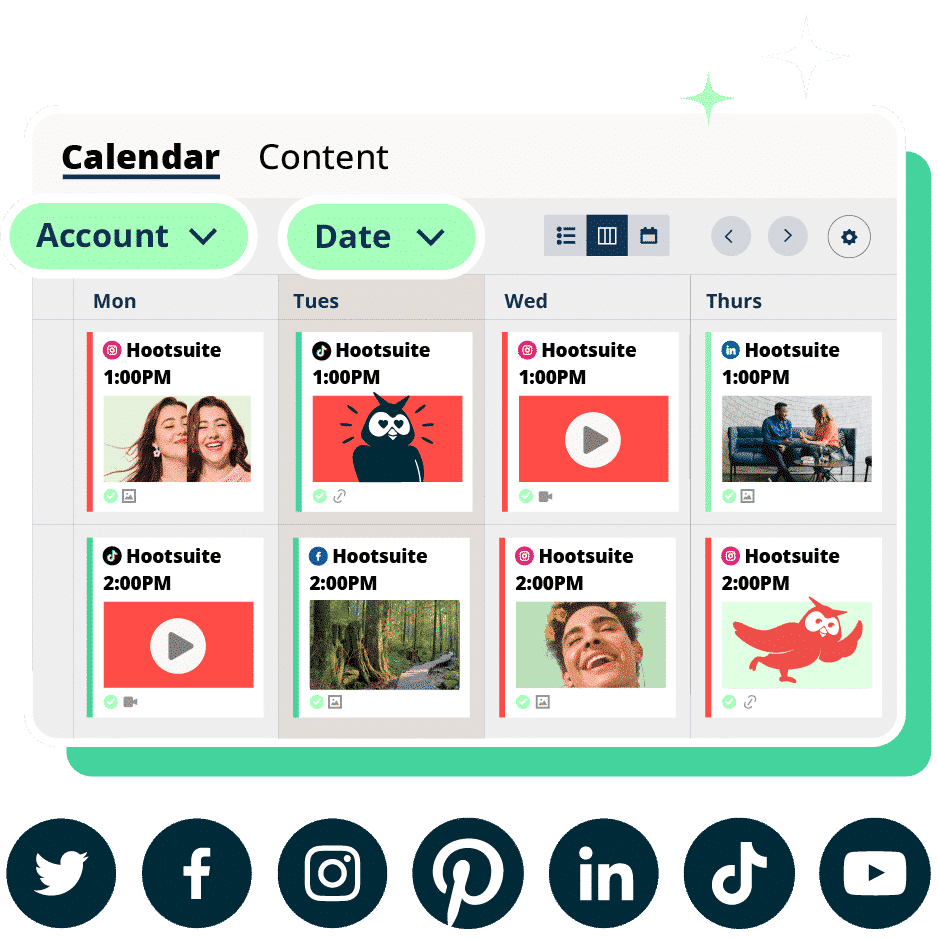
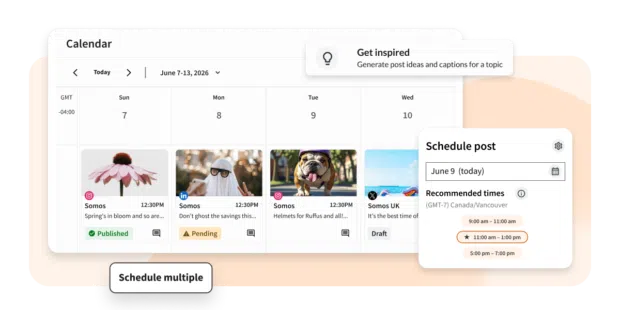
Use social media schedulers to map out content calendars in advance, giving your team breathing room. However, remember that scheduled posts are not "set it and forget it." Always monitor global events and news cycles so you can instantly pause or pivot campaigns when unexpected disruptions occur.
6. Streamline Inbox and Customer Care Management
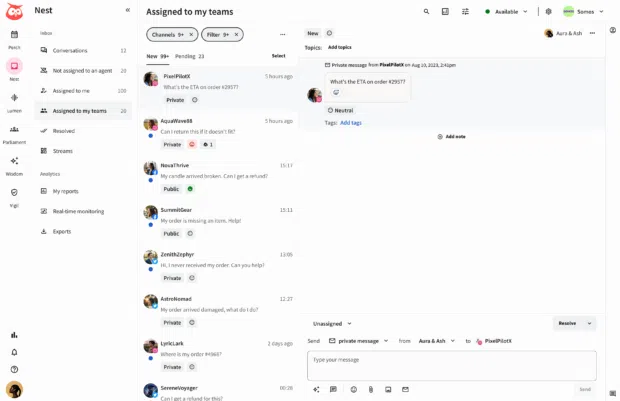
Scattered comments and direct messages can overwhelm any team. Enterprise organizations must utilize unified social inboxes that sort conversations by sentiment, prioritize urgent inquiries, and route tickets to the appropriate department (Customer Support, PR, or Regional Marketing).
The 5-5-5 Engagement Rule: As a daily baseline, aim to like 5 posts, leave 5 thoughtful comments, and respond to 5 messages or mentions to keep community interaction alive.
7. Enforce Approval Workflows and Governance
In regulated industries like finance, healthcare, and government, a single unapproved claim can trigger massive legal liabilities. Centralized platforms with role-based permissions, multi-stage approval steps, and automated archiving are essential to maintaining strict brand compliance.
8. Review Performance Regularly
A healthy engagement rate typically hovers between 1% and 5%, depending on the industry. Run regular social audits and cross-account performance reviews to catch minor dips in engagement before they spiral into larger strategic problems.
9. Dedicate Time for Social Listening
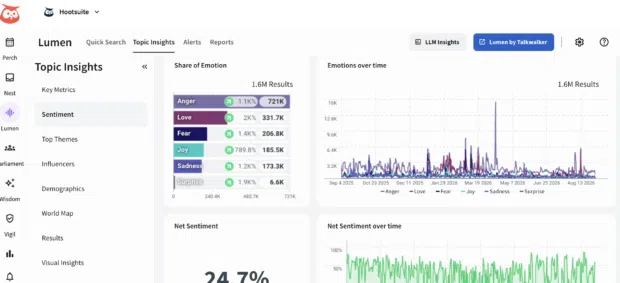
Social listening uncovers real-time consumer sentiment, tracks competitor movements, and identifies emerging industry trends. Build a library of inspiration by saving high-performing hooks, visuals, and formats across networks to reference during creative briefings.
10. Make Social Impact Visible to Leadership
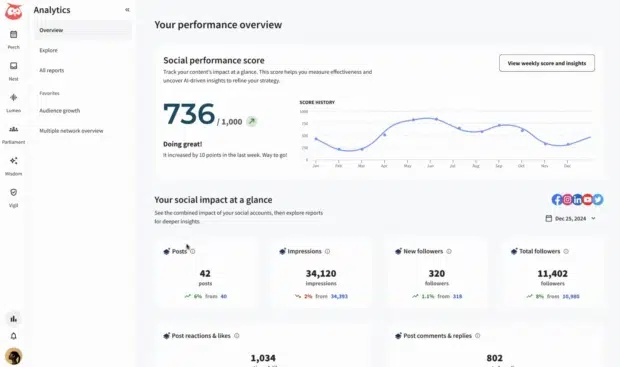
Because social media requires significant financial investment, leadership demands clear visibility into ROI. Elevate your reporting by connecting social metrics directly to pipeline growth, brand sentiment lift, and revenue generation.
Implications: The Future of Multi-Account Operations
As businesses scale their digital footprints, the complexity of managing multi-account architectures will only increase. Organizations that cling to manual workflows and siloed tools will find themselves outpaced by competitors leveraging unified social operating systems and AI-driven efficiencies.
The Role of Artificial Intelligence in Modern Workflow
Artificial intelligence has transitioned from a novelty to a core operational necessity. As Camacho bluntly states:
"If you’re not using AI, you’re already behind. AI is a free, always-on intern that doesn’t sleep and actually gets stuff done."
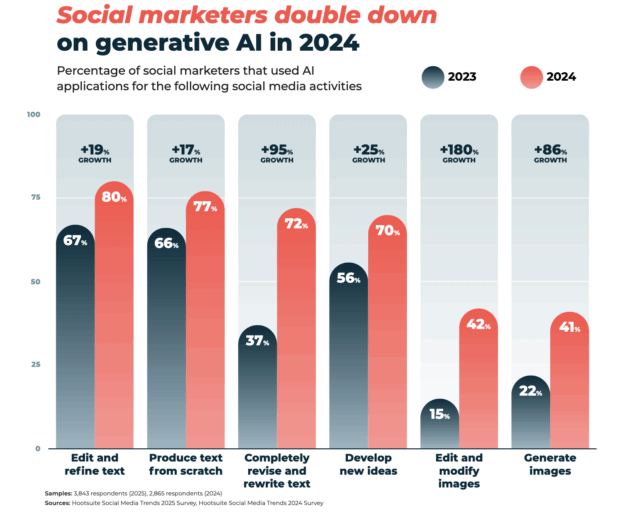
From generating initial copywriting drafts and resizing media assets to summarizing performance metrics and running sentiment analysis, AI removes the repetitive busywork that consumes marketing hours. By integrating AI layers across listening, publishing, and analytics tools, teams can redirect their focus toward high-level strategy, creative ideation, and brand building.
Comparative Tool Overview
Choosing the right management software depends heavily on team size, account volume, and operational complexity. The market offers several distinct solutions:
Tool
Best For
Pricing
Listening
Analytics Depth
Approvals
AI Capabilities
Hootsuite
Brands & enterprises managing many accounts
From $99/user/month
Yes (Lumen)
Advanced, customizable
Multi-level, role-based
Integrated AI across apps
Planable
Agencies & teams focused on visual approvals
Free plan; paid from $39/workspace/month
No
Basic
Multi-stage
Limited
Buffer
Freelancers & small businesses with few channels
Free plan; paid from $6/channel/month
No
Basic
Simple
Limited
Frequently Asked Questions (FAQ)
How do businesses manage multiple social media accounts efficiently?
Businesses achieve efficiency by establishing clear goals and audience definitions for each account, leveraging scheduling tools to plan weeks in advance, batching creative tasks, and utilizing centralized communication platforms to handle incoming messages in structured shifts.
What is the best tool to manage multiple social media accounts in one place?
Hootsuite Social OS stands out as the premier solution for multi-account management. It unifies content planning (Perch), customer care (Nest), listening and sentiment analysis (Lumen), and deep analytics into a single dashboard equipped with cross-app AI capabilities.
How can enterprises manage multiple social media accounts across teams?
Enterprises rely on role-based permissions, strict approval workflows, shared editorial calendars, and comprehensive brand guidelines. Centralized platforms provide the necessary governance and audit trails to keep regional and cross-functional teams aligned.
How many social media accounts can one person realistically manage?
Without a management tool, a solo practitioner typically caps out at 5 to 10 active profiles. However, with a centralized Social OS, automated workflows, and AI assistance, a single marketer or lean team can seamlessly oversee dozens of accounts without sacrificing quality.

 By Nana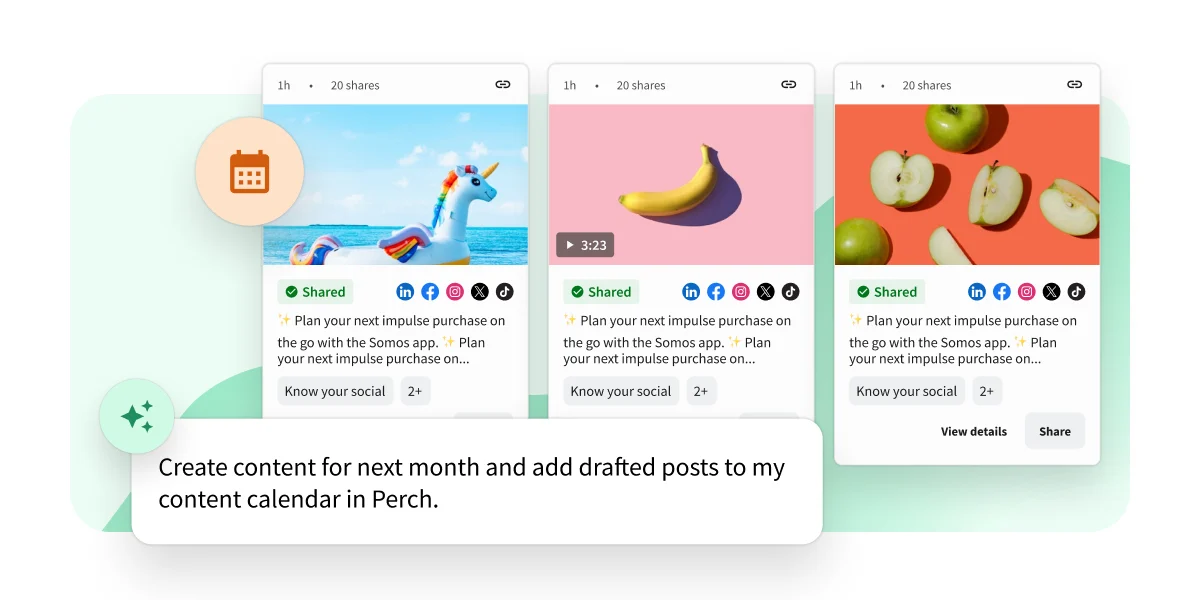


 Dwi Wanna
  Raul Delapena Setiawan
  Asep Darmawan