
 By Lina Irawan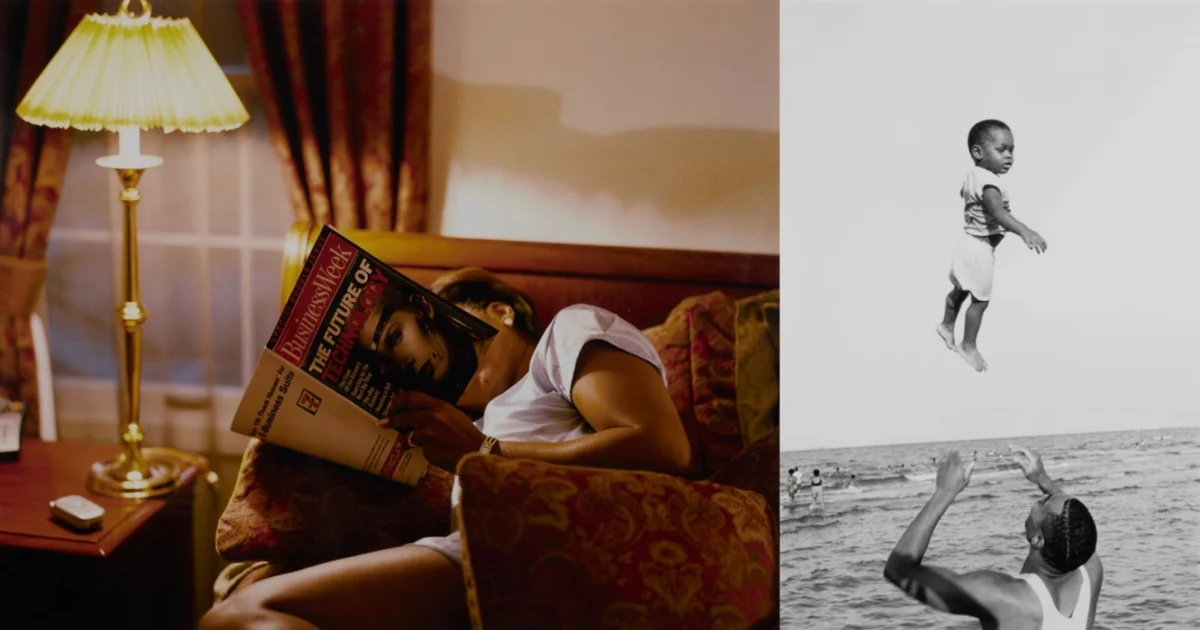
Main Facts
At the Museum of Contemporary Photography (MoCP) at Columbia College Chicago, a profound and deeply reflective exhibition invites visitors to step into an alternate history. Running through December 19, 2026, If Emmett Till Lived: Freedom on American Ground uses the institution’s extensive photographic collection to imagine the life Emmett Till might have lived had he not been brutally cut down more than seventy years ago.
Had he survived the racial violence of the Jim Crow era, Emmett Till would have celebrated his 85th birthday this year. Instead, his name remains etched into the collective American consciousness as a tragic catalyst for the Civil Rights Movement. The exhibition does not attempt to rewrite history or soften the brutal reality of his 1955 lynching; rather, it creates a visual sanctuary of possibilities. Through a curated collection of powerful photographs spanning multiple generations and artistic movements, the exhibition maps out an imagined life—spanning milestones of family, marriage, fatherhood, aging, and historical shifts such as the civil rights era, Michael Jordan’s legendary tenure with the Chicago Bulls, and the historic election of Barack Obama.
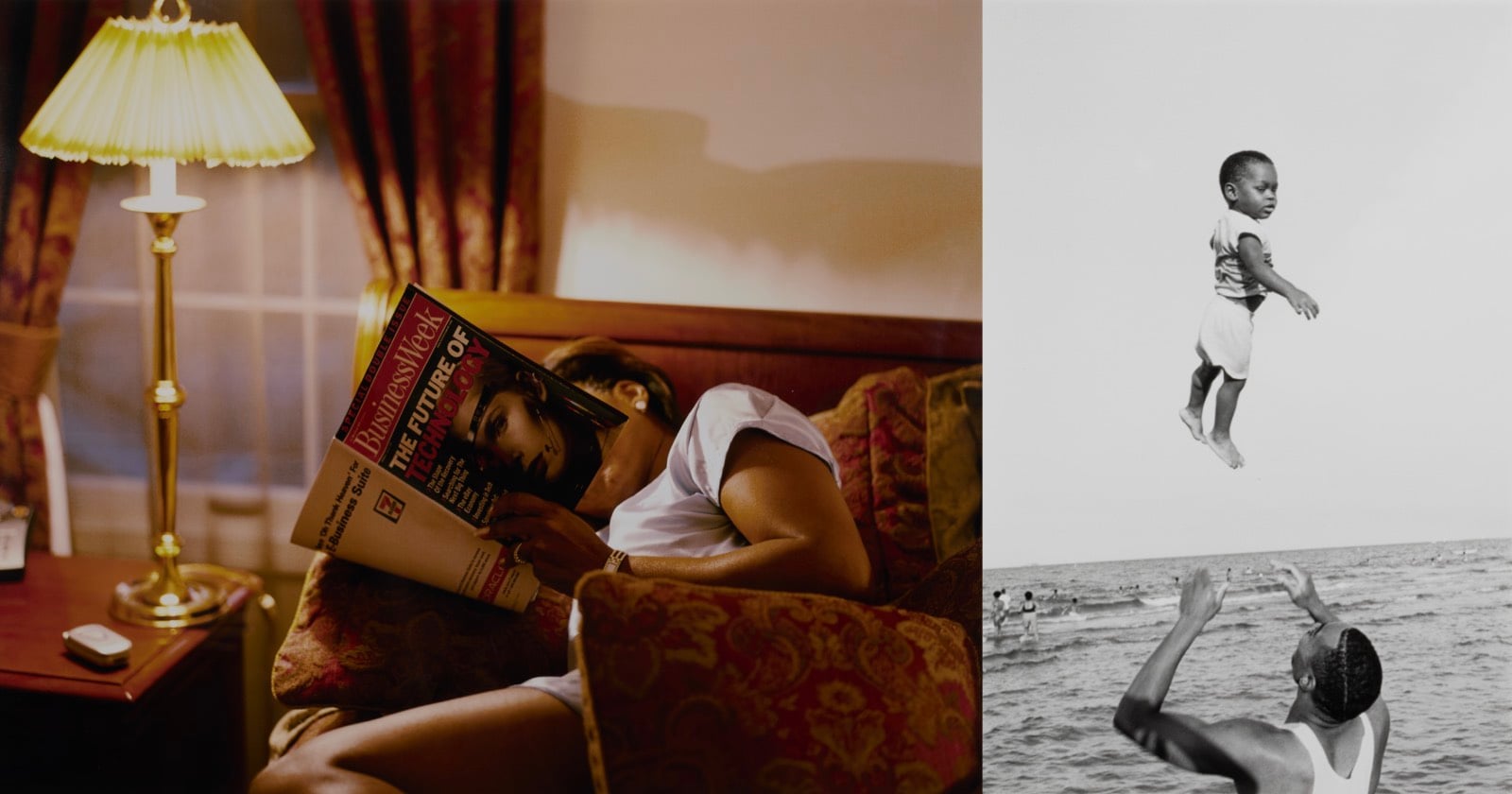
Curated by scholar and writer Sarah Lewis, the exhibition brings together works from some of the most celebrated photographers of the 20th and 21st centuries. Luminaries such as Henri Cartier-Bresson, Gordon Parks, Dorothea Lange, Dawoud Bey, Carrie Mae Weems, Teju Cole, Laylah Amatullah Barrayn, and Stephen Marc lend their lenses to this speculative biography. Together, their images establish a physical and emotional landscape for a life that was violently stolen, challenging viewers to confront the stark contrast between the America Till experienced in his final moments and the nation that evolved around him.
Chronology: From Mississippi Tragedy to Modern Reflection
To understand the weight of If Emmett Till Lived, one must trace the historical timeline that transformed a 14-year-old Chicago boy into an enduring symbol of American injustice.
- August 1955: Fourteen-year-old Emmett Till leaves his home in Chicago to visit family in Money, Mississippi. During a trip to a local grocery store, a white woman, Carolyn Bryant, accuses him of whistling at and harassing her.
- August 28, 1955: Roy Bryant (the woman’s husband) and his half-brother J.W. Milam abduct Till from his great-uncle’s home in the dead of night. They brutally beat him, gouge out his eye, shoot him in the head, and throw his body into the Tallahatchie River, weighing it down with a 75-pound cotton gin fan.
- September 1955: Till’s mother, Mamie Till-Mobley, makes the courageous and heartbreaking decision to hold an open-casket funeral in Chicago. Tens of thousands view his mutilated body, and photographs published in Jet magazine shock the conscience of the nation and the world.
- September–October 1955: An all-white Mississippi jury quickly acquits Bryant and Milam of kidnapping and murder. (Months later, shielded by double jeopardy, the men openly confess to the murder in a paid magazine interview).
- December 1955: Just months after Till’s murder and inspired directly by his sacrifice, Rosa Parks refuses to give up her bus seat to a white passenger in Montgomery, Alabama, sparking the Montgomery Bus Boycott. Parks later notes that she kept Emmett Till in mind when making her historic stand, having recently attended a memorial rally led by a young Martin Luther King Jr.
- 1957: The outrage surrounding Till’s murder and the subsequent miscarriage of justice helps pressure Congress into passing the Civil Rights Act of 1957, establishing federal protections for African American voting rights.
- 2026: Emmett Till would have turned 85 years old. The Museum of Contemporary Photography opens If Emmett Till Lived, using archival and contemporary photography to construct a counter-factual narrative of his adult life.
Supporting Data and Artistic Framework
The exhibition is structured not as a linear historical display, but as an immersive visual essay. The images selected from MoCP’s permanent collection—and the accompanying publication—serve as building blocks for an ordinary, yet extraordinary, American life.
The curated photographs explore several thematic pillars:
- The Transcontinental Journey: Images of railway lines, highways, and cross-country transits reflect Till’s journey from the South back to Chicago, and the broader Black migration and mobility across the American landscape.
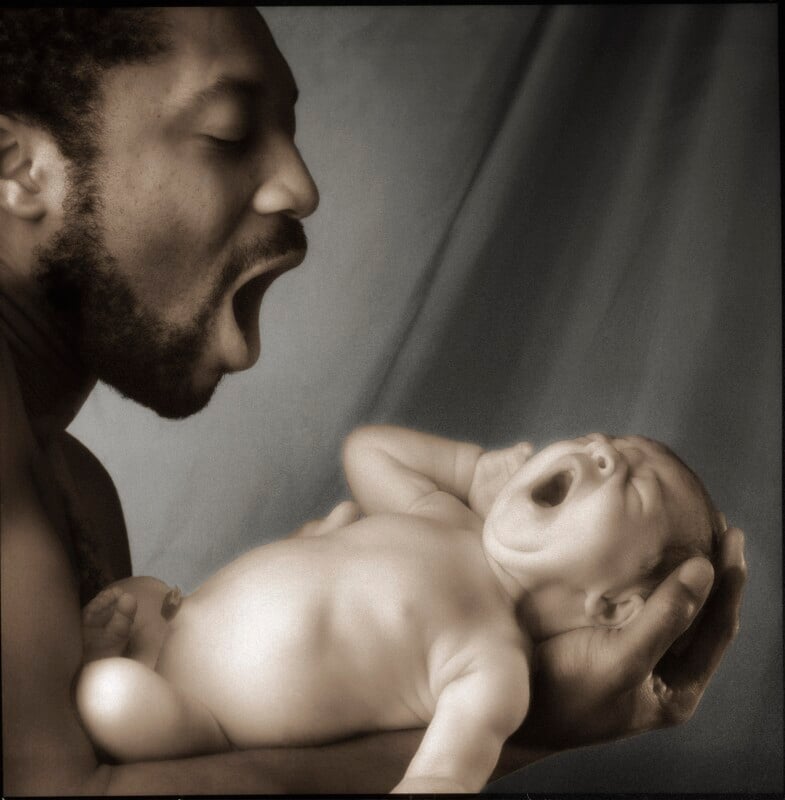
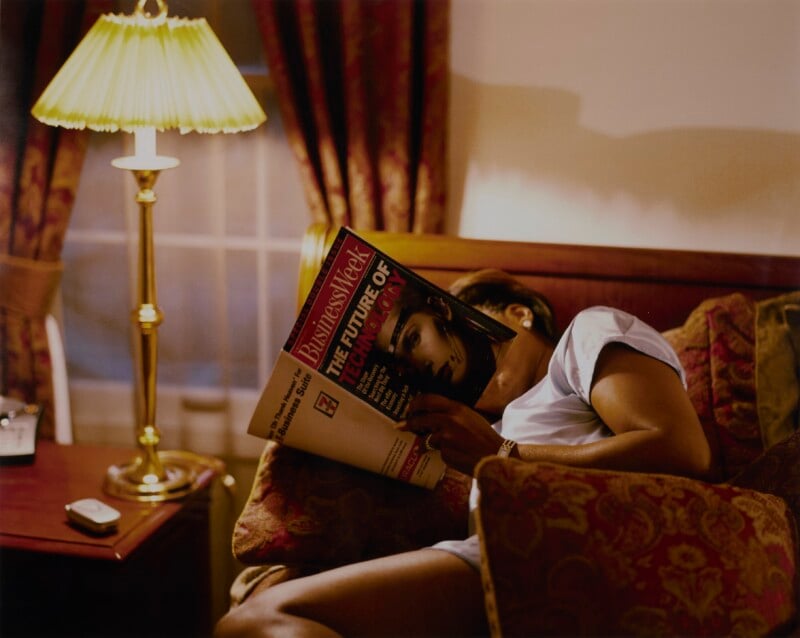
- Domesticity and Manhood: Intimate portraits—such as Phil Borges’ 1990 gelatin silver print Paternity and Stephen Marc’s familial captures from the Changing Chicago series—envision Till experiencing marriage, fatherhood, and the quiet joys of domestic life.
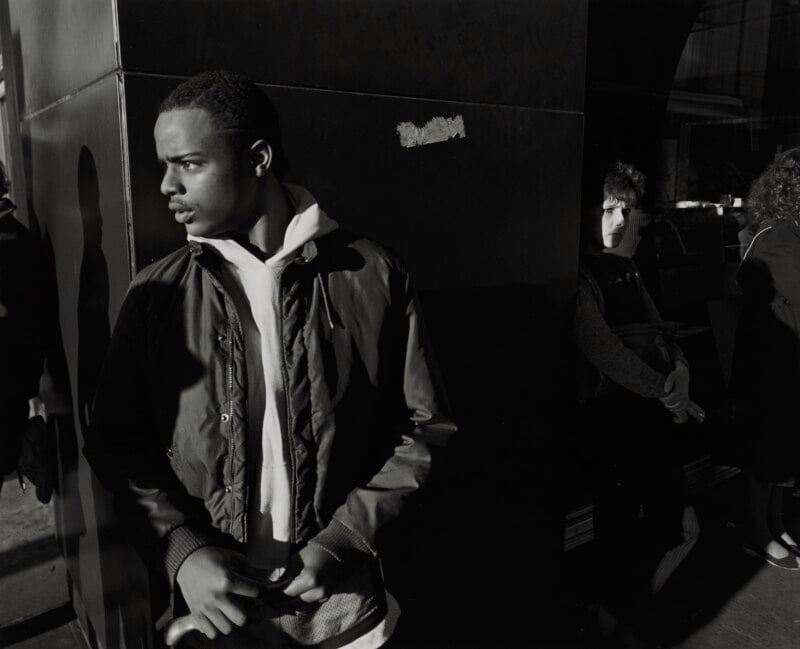
- The Public Sphere and Cultural Milestones: Street photography by artists like Dawoud Bey and Walter Rosenblum places hypothetical adult Till into bustling urban environments, neighborhoods, and historical epochs. The collection extends into the late 20th and early 21st centuries, incorporating cultural markers like Michael Jordan’s basketball legacy and Dawoud Bey’s 2006 portrait of then-Senator Barack Obama.
The sheer breadth of the participating photographers underscores the institutional commitment to the project. Spanning decades of photographic history, the collection bridges the gap between the mid-century Civil Rights era and contemporary visual art. By embedding Till’s hypothetical life within these familiar American contexts, the exhibition grounds abstraction in tangible human experience.
Official Responses and Curatorial Intent
The creative force behind the exhibition, curator Sarah Lewis, articulated the urgent necessity of the project in an official statement released by the museum. Her words cut straight to the moral and political core of the endeavor.
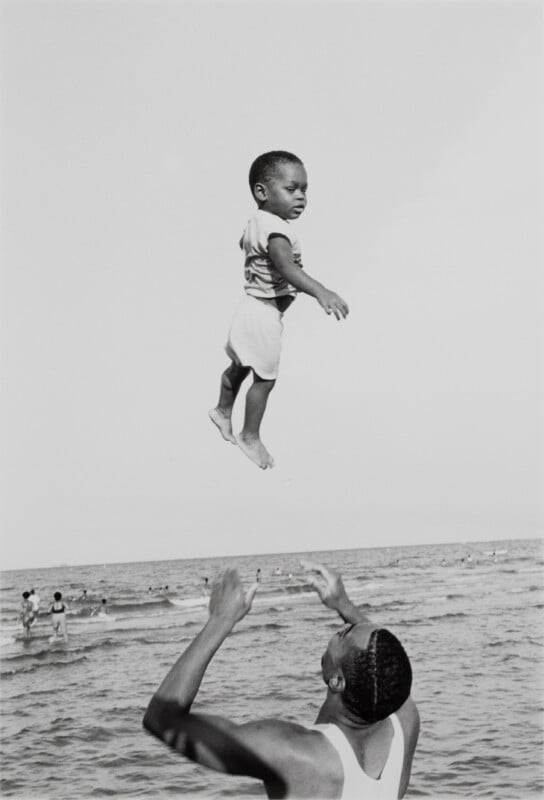
“Why create this show and publication now?” Lewis asks. “Because more than seventy years after Emmett Till’s death, we are still asking, have we made good on the sacrifice of his life? We should not have to ask this question.”
Lewis emphasized that the exhibition is a testament to an uncomfortable truth about contemporary American society:
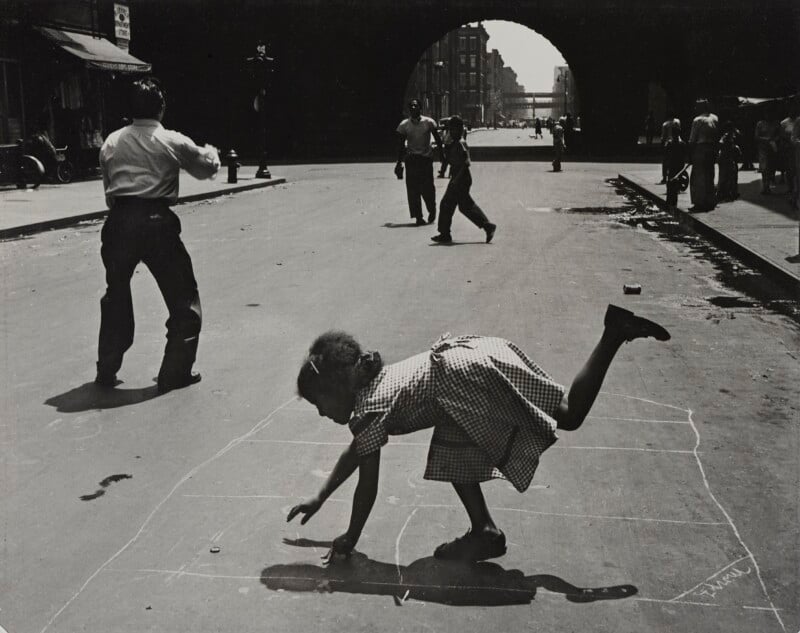
“This show and the book that is its counterpart should not have to exist — and that is why I felt called to make them. They claim the ground of Till’s untaken journey from Mississippi back to Chicago. His life is the epitome of the question we still grapple with today: Who has a right to the ground, to claim the right to stand? This exhibition and book are a creative monument to the life that Till — that anyone, any black or brown boy — has a right to live.”
Columbia College Chicago and the Museum of Contemporary Photography have received widespread critical praise for utilizing their collections to foster critical national dialogue. By transforming passive historical reflection into active, imaginative mourning and celebration, the museum positions photography as a medium capable of healing, questioning, and rewriting the boundaries of empathy.
Implications for Modern America
If Emmett Till Lived: Freedom on American Ground transcends the traditional boundaries of a museum retrospective. By asking viewers to imagine an 85-year-old Emmett Till, the exhibition forces a confrontation with what American history sacrificed during the Jim Crow era and what it continues to grapple with today.
- Reclaiming Agency from Trauma: Historically, public and artistic representations of Black victims of racial violence are often restricted to the moment of their victimization or the trauma of their death. By shifting the focal point to what Till could have been—a father, an elder, a retiree, a neighbor—the exhibition restores his agency and full humanity.
- Evaluating Progress: More than seven decades after Till’s murder and the legislative milestones it helped spark, conversations surrounding civil rights, systemic racism, and the physical safety of Black and brown bodies in public spaces remain painfully relevant. The exhibition serves as a mirror, asking contemporary America whether it has honored the unfulfilled potential of generations cut short by hate.
- The Power of Counterfactual Art: Speculative art acts as a powerful psychological and political tool. It allows society to mourn not just a real loss, but the infinite futures stolen by systemic oppression.
As visitors walk through the galleries at Columbia College Chicago through December 19, 2026, they are asked to look past the tragedy of 1955 and bear witness to a life of ordinary grace, resilience, and survival—reminding us all of the sacred, unfulfilled promise embedded in the American ground.
 Suro Senen
  Ali Ikhwan
  Reynand Wu