
 By Ali Ikhwan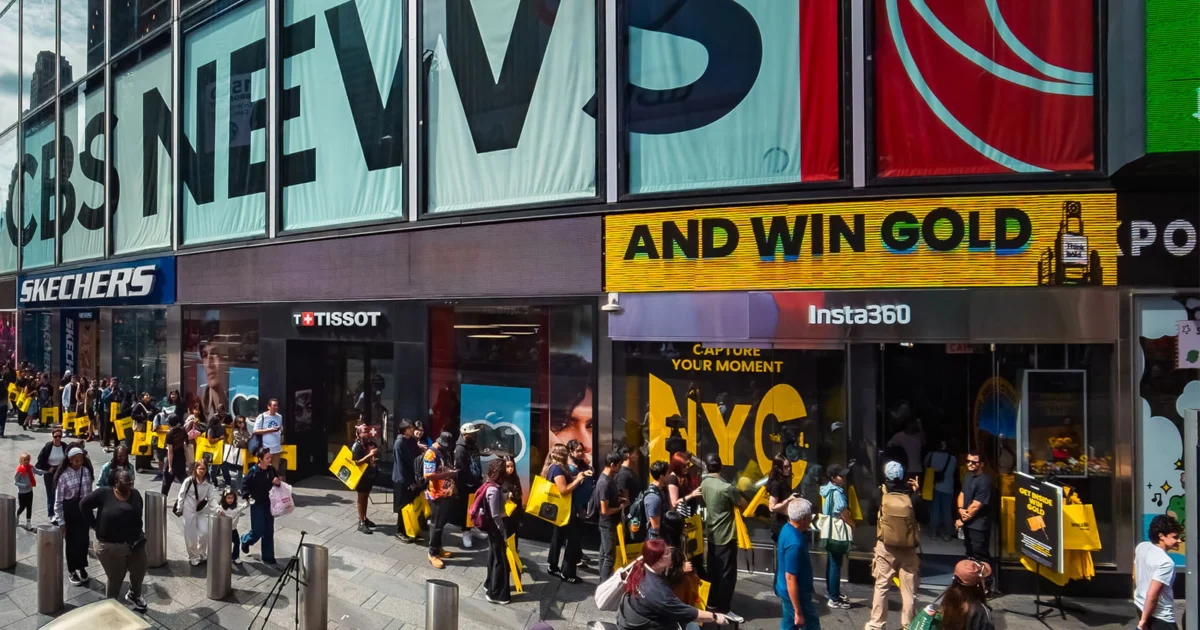
NEW YORK CITY — In a milestone that underscores its meteoric rise from a nascent hardware startup to an undisputed global powerhouse in imaging technology, Insta360 officially opened its first retail flagship store outside of Asia today, September 19, 2026. Situated in the heart of New York City’s bustling Times Square, the new brick-and-mortar storefront represents far more than a simple retail expansion; it is a profound declaration of intent as the company enters its second decade of operations.
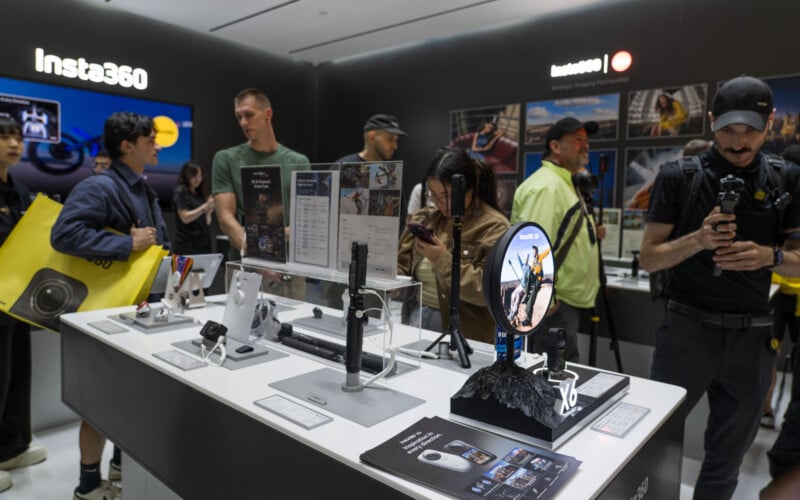
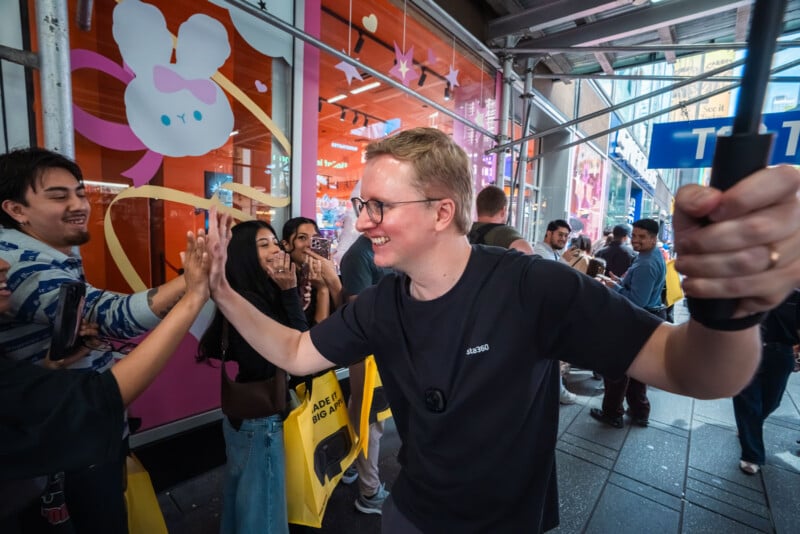
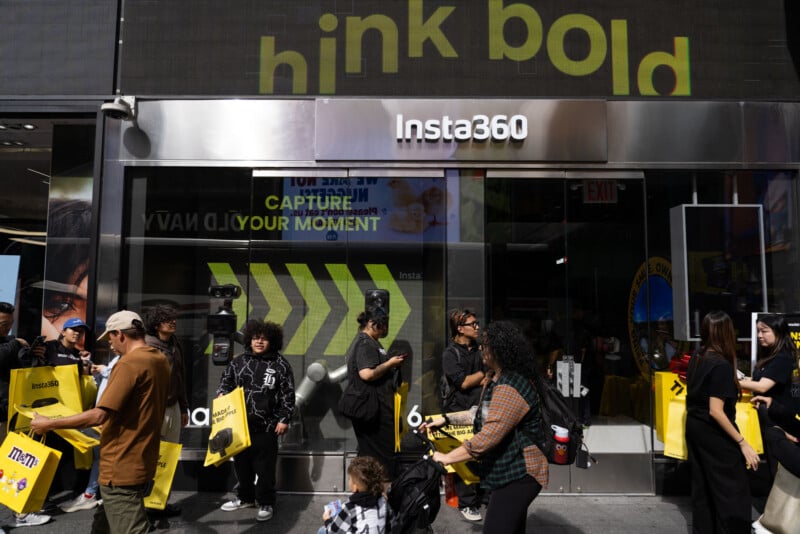
The grand opening event drew massive crowds, with hundreds of eager fans and creators queuing up ahead of the doors opening at noon. For a brand that has built its reputation largely on digital ecosystems, viral social media wizardry, and online distribution, planting a permanent flag in the "Crossroads of the World" signals a new strategic chapter focused on immersive, hands-on consumer engagement and deep community integration.
Main Facts: A Landmark Retail Debut in the Heart of Manhattan
The arrival of the Times Square flagship store follows closely on the heels of another major corporate milestone: Insta360 officially crossing the threshold of 10 million cameras shipped worldwide. Founded in 2015, the company has grown at a blistering pace, transforming from a specialized 360-degree camera manufacturer into a diversified imaging giant.
While 360° hardware remains the cornerstone of its market dominance—highlighted by the summer release of the flagship X6, which features custom Sony Type 1/1.1 image sensors and doubles as a single-lens action and subject-tracking camera—Insta360 has rapidly expanded its product footprint. This year also saw the introduction of the Luna series gimbal cameras (including the Luna Ultra and Luna Pro, co-engineered with legendary optics brand Leica), designed to compete directly in the vlogging and content creation space against rivals like DJI’s Osmo Pocket line.
The New York flagship serves as a physical showcase for this rapidly widening ecosystem. Visitors can explore everything from the pocket-sized GO series and wireless audio solutions to an extensive array of specialized accessories, mounts, and protective housing cases.
Chronology: From 2015 Startup to Times Square Staple
The timeline of Insta360’s ascent reflects an industry-shaping journey marked by relentless hardware iteration and aggressive market expansion:
- 2015: Insta360 is founded as an ambitious imaging startup with a vision to redefine immersive media.
- 2016: The company launches its very first consumer product, the Insta360 Nano, marking its official entry into the U.S. and global markets.
- Late 2019: Creators like professional photographer Anthony Quintano utilize early models to capture viral content ahead of the annual Times Square New Year’s Eve broadcast preparations, establishing early grassroots traction in the heart of New York.
- Summer 2026: Insta360 launches its flagship X6 360° camera and the Leica-co-engineered Luna series gimbal cameras, pushing into new creative categories while surpassing 10 million lifetime camera shipments.
- August 2026: Insta360 opens its first international flagship retail location in Tokyo, Japan, setting the stage for global brick-and-mortar expansion.
- September 19, 2026: The official grand opening of the Times Square flagship store in New York City takes place, representing the brand’s first retail storefront outside of Asia.
Supporting Data and Extreme Use Cases
While everyday consumers use Insta360 cameras for family vacations, moto-vlogging, and social media storytelling, the company has carved out a legendary reputation for pushing its hardware into extreme, high-stakes environments. Over the years, PetaPixel and other media outlets have documented filmmakers and researchers utilizing Insta360 devices in extraordinary ways:
- Mounting cameras directly inside the mouths of live sharks to capture award-winning marine footage.
- Modifying and launching cameras to the absolute edge of space to capture the awe-inspiring "overview effect."
- Surviving high-temperature rocket launches, showcasing the rugged durability of the company’s engineering.
At the Times Square grand opening, this dedication to the community was rewarded from the very start. The first person in line, who had maintained vigil since 2:30 AM, was rewarded with a custom, one-of-a-kind Insta360 Luna Ultra featuring bespoke branding carved into the chassis and filled with a genuine gold inlay.
Official Responses and Leadership Vision
The gravity of the New York launch was underscored by key leadership figures from both Insta360 and the local business community.
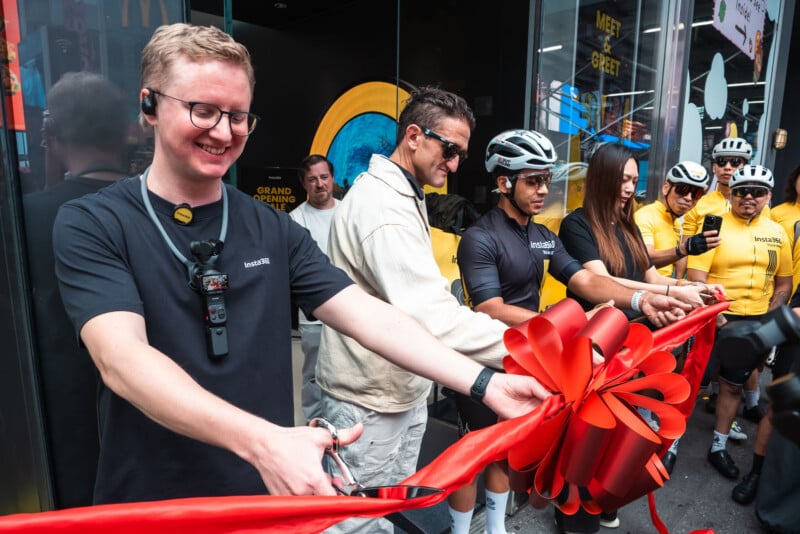
Max Richter, Co-founder and Vice President of Marketing at Insta360, emphasized that the store is designed to bridge the gap between complex digital tech and everyday consumers.
"Reaching 10 million cameras shipped worldwide is a milestone we owe to our community, but opening in Times Square is about building lasting roots," Richter told PetaPixel. "This store opening is about more than just selling into the U.S.; it reflects our long-term commitment to the American creator ecosystem. We look forward to continuing our support for local creators, connecting directly with everyday users, and making innovative imaging tech approachable for anyone with a story to tell."
Richter noted that while millions know Insta360 through viral online videos showcasing feats like the "invisible selfie stick" effect, educating the public on the underlying hardware and ecosystem has historically been a challenge. The physical store aims to solve this through immersive product demonstrations, educational workshops, and community events.
Tom Harris, President of the Times Square Alliance, welcomed the addition to Manhattan’s iconic commercial hub:
"We are thrilled to welcome an innovative, industry-leading brand like Insta360 to the Crossroads of the World. Times Square has always been a global stage for creativity, culture, and cutting-edge technology, making it the perfect home for Insta360’s flagship store and a fantastic addition to our dynamic retail landscape."
Professional photographer and videographer Anthony Quintano, a longtime user of the brand who documented early Times Square setups using Insta360 hardware, shared his perspective on the shift from digital to physical retail presence:
"I follow technology very closely and I loved the 360 experience when it first came out… The fact that I can get such a high-quality image and be able to grab multiple angles from a single recording after the fact was huge for me as a creator. I can’t tell you how many times I take out that selfie stick and Insta360 camera and immediately attract attention. People ask, ‘What is that? What are you doing?’ And I show them my screen… To be here and not just capture a U.S. audience, but a global audience that comes to visit Times Square and bring awareness to how easy this camera is and try it—that’s the key."
Market Implications: Navigating a Shifting Imaging Landscape
The timing of Insta360’s North American retail expansion is hardly accidental. The global camera and creator market is undergoing a period of intense structural transition. Major competitor DJI has faced ongoing regulatory hurdles and scrutiny from the United States government, leaving critical windows of opportunity for agile competitors able to distribute and market their hardware freely within the U.S.
Concurrently, legacy brands in the action-camera space are experiencing substantial corporate upheaval. GoPro, facing sustained financial turbulence—including a reported loss of $51 million in a single quarter—recently entered an agreement to be acquired by optical data firm Starman Optical for $285 million.
Against this backdrop of competitor vulnerability and market consolidation, Insta360 is aggressively seizing territory. With its new retail footprint spanning Tokyo, New York, and planned European expansions (such as an upcoming Munich location), the company is establishing direct lines of communication with consumers that bypass traditional third-party retail bottlenecks.
Looking further ahead, Insta360 CEO JK Liu has previously hinted at even more radical horizons, sharing a vision for a "dream camera" that leverages advanced optics, motion control, and artificial intelligence to become an essentially invisible component of the image-making process.
For now, however, the immediate future is grounded in concrete reality—glass doors, glowing display cases, and thousands of curious pedestrians walking through Times Square who can finally pick up, touch, and experience the future of imaging technology with their own hands.
 Suro Senen
  Reynand Wu
  Ammar Sabilarrohman