
 By Sagoh
For decades, the culinary world has treated baked beans as the reliable, if slightly predictable, sidekick of the backyard barbecue. Whether served alongside a rack of ribs or ladled over a steaming baked potato, these canned legumes are undeniably versatile. Yet, there is a recurring debate among home cooks and gourmands alike: how does one transform a pantry staple into a true centerpiece? While traditionalists swear by the smoky, cured depths of bacon, a new trend is emerging that promises to rewrite the rules of bean preparation. By swapping out pork for thinly sliced, high-quality cheesesteak beef, home cooks are discovering a way to significantly increase protein content while achieving a superior savory profile.
The Case for the Upgrade: Shifting the Paradigm
The versatility of canned beans is well-documented. They are the flavor workhorses of the kitchen, ready to anchor chilis, fortify breakfast quesadillas, or serve as a quick weeknight protein source. Traditionally, the quest for "depth" in a bean dish has led chefs to bacon. Bacon provides a distinct saltiness and a smoky, umami-rich base that defines the classic American baked bean.
However, culinary innovation often requires us to look beyond the expected. Enter cheesesteak meat—typically sourced from ribeye. This cut of beef is a powerhouse of flavor, characterized by generous marbling that ensures the meat remains tender even under high heat. When compared to the fatty, curing-heavy nature of bacon, ribeye offers a more refined, meaty richness that complements the natural earthiness of beans rather than masking it.
Supporting Data: Nutritional Comparison
For the health-conscious cook or those looking to optimize their macronutrient intake, the switch from bacon to ribeye is not merely a flavor choice—it is a strategic nutritional pivot.
When evaluating an uncooked 3-ounce serving, the differences become stark:
- Protein Content: A 3-ounce serving of ribeye provides nearly 15 grams of protein, whereas the same amount of bacon typically yields around 11 grams.
- Fat Composition: Bacon is notoriously dense in fats, often containing upwards of 34 grams per 3-ounce serving. In contrast, ribeye—while still a rich cut—contains significantly less fat, hovering around 18 grams for the same portion.
By making this substitution, the home cook is not only increasing the protein density of the meal but also reducing the overall fat load, creating a dish that feels heartier and more substantial without the greasiness often associated with pork-based additives.
Chronology of the Preparation: A Step-by-Step Guide
The integration of beef into a bean dish requires a specific technique to ensure the best texture and flavor extraction.
Phase 1: Preparation and Slicing
The hallmark of a great cheesesteak-style dish is the thinness of the meat. A sharp knife is the chef’s most critical tool here. To achieve the paper-thin strips required for quick searing, culinary experts recommend "par-freezing" the ribeye. By placing the meat in the freezer for 20 to 30 minutes, the fibers firm up, allowing for clean, uniform slices that will curl and crisp the moment they hit a hot skillet. For those with a busier schedule, most modern supermarkets and Asian grocery stores now stock pre-shaved beef in the frozen aisle, specifically designed for hot pot and stir-fry applications.
Phase 2: The Sear
Once the meat is prepared, the cooking process is rapid. The beef should be seared in a high-heat skillet. This is the moment to layer in flavor profiles. A simple dusting of garlic powder or a pinch of chili flakes can elevate the natural beefy notes. As the meat develops a deep, caramelized color, the rendered fat creates a fond—the flavorful browned bits at the bottom of the pan.
Phase 3: The Marriage of Ingredients
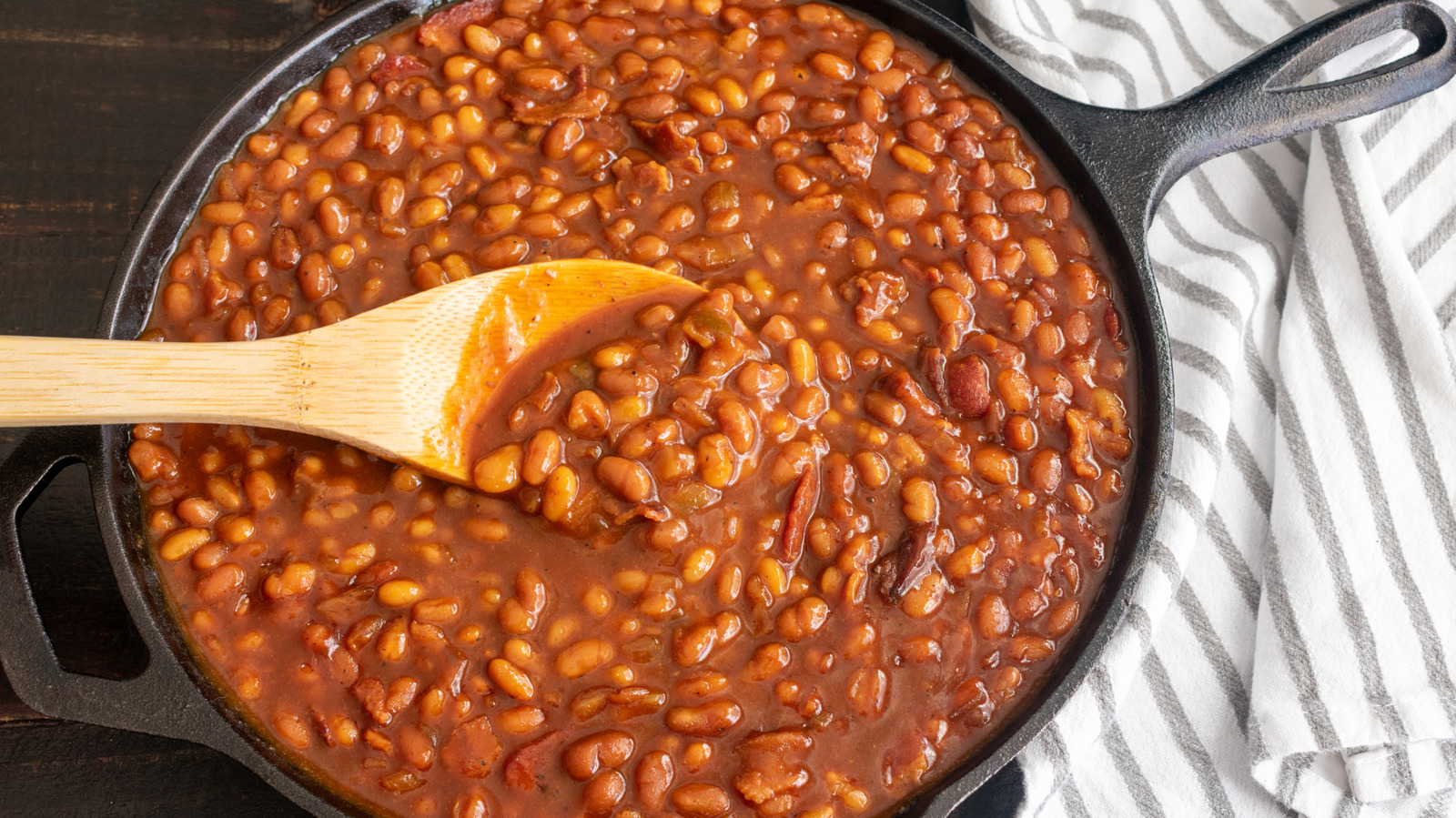
The beans should be introduced to the skillet immediately after the beef has achieved its color. By simmering the beans in the rendered beef fat, the legumes absorb the savory essence of the ribeye, creating a cohesive dish where the sauce is infused with natural umami. If a lighter version is preferred, the cook may choose to drain the excess fat before adding the beans, though doing so sacrifices some of the depth that makes this pairing so successful.
Culinary Implications: The "Philly" Influence
The trend does not end with the beans and beef. To truly lean into the "cheesesteak" identity, many enthusiasts are incorporating a finishing touch: a layer of provolone or mozzarella cheese.
By scattering shredded cheese over the skillet and sliding it under a broiler, the dish transforms into a gooey, pull-apart delight. This adds a third layer of protein; a single ounce of provolone contributes an additional 7 grams of protein to the total dish. Beyond the nutritional boost, the cheese creates a sensory experience that mimics the indulgence of a classic Philadelphia-style cheesesteak, effectively turning a side dish into a protein-forward main course.
Official Perspectives and Trends in Modern Comfort Food
Food historians note that the evolution of comfort food often follows a path of "optimization." During the mid-20th century, the reliance on preserved meats like bacon was born out of convenience and the necessity for shelf-stable ingredients. Today, as consumers become more educated about meat quality and nutritional profiles, the move toward fresh cuts of beef reflects a broader trend in home cooking: the "premiumization" of pantry staples.
Industry experts suggest that this shift is part of a larger movement toward "functional comfort food." It is no longer enough for a meal to be tasty; it must also be efficient. The cheesesteak-bean skillet checks both boxes: it requires fewer than 15 minutes of active cooking time and provides a macronutrient profile that aligns with modern fitness and health standards.
The Broader Impact on Home Cooking
The implications of this culinary shift are significant. When home cooks move away from the "set it and forget it" mentality of canned beans, they reclaim the pantry as a site of active culinary creativity. By experimenting with different cuts of meat, spices, and melting cheeses, the individual turns a simple can of legumes into a sophisticated, chef-inspired meal.
Moreover, this substitution encourages the use of butcher-counter cuts rather than processed meats. When a cook chooses a ribeye for their beans, they are supporting a higher quality of ingredient sourcing, which inevitably results in a better final product. The "Skip Bacon" movement is not merely a trend of convenience; it is a testament to the fact that with the right technique, the most humble of ingredients can be elevated to gourmet status.
Whether one is feeding a hungry family on a Tuesday night or looking to impress guests at a weekend gathering, the integration of cheesesteak beef into baked beans offers a reliable, protein-packed, and undeniably delicious path forward. The next time you find yourself reaching for a can of beans, consider bypassing the bacon aisle and heading straight to the meat counter. Your palate—and your protein goals—will thank you.
 Azzam Bilal Chamdy
  Lina Irawan
  Lina Hope