
 By Nana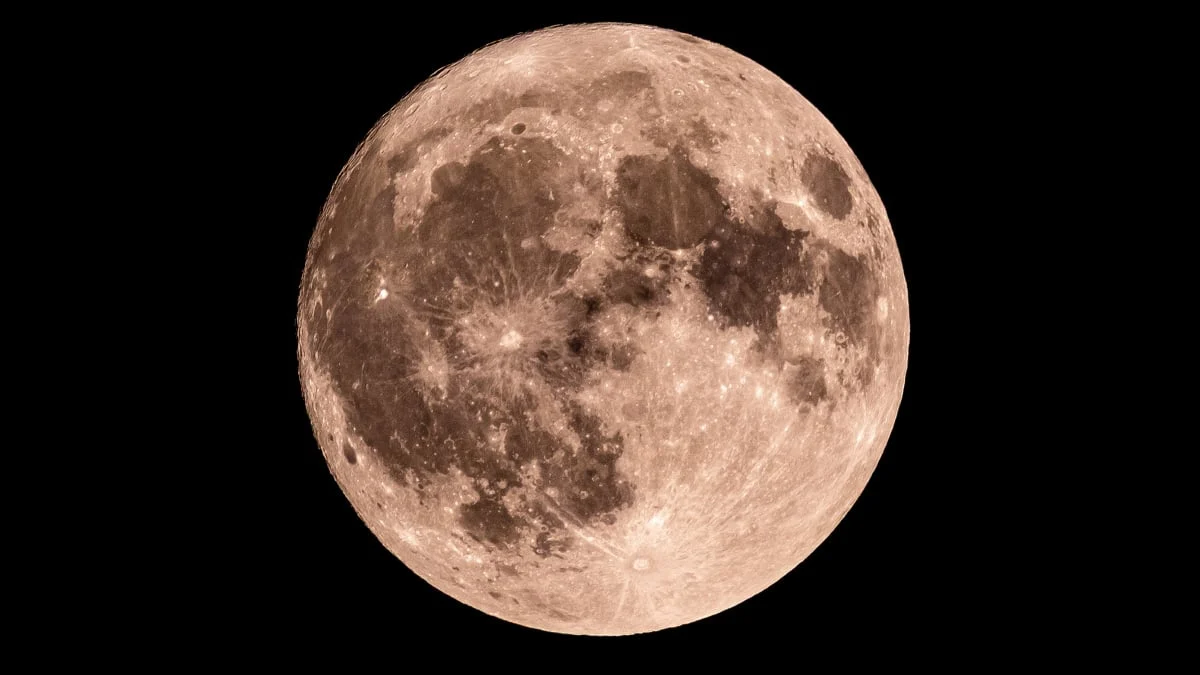
For millennia, humanity has looked up at the night sky with a sense of wonder, charting the movements of the stars and the shifting face of our closest celestial neighbor. Today, that ancient curiosity is paired with cutting-edge digital resources. NASA’s Daily Moon Guide has emerged as a premier tool for amateur astronomers and curious stargazers alike, offering a comprehensive, day-by-day breakdown of the Moon’s surface features, orbital mechanics, and changing phases.
By bridging the gap between complex planetary science and accessible backyard observation, the guide demystifies the lunar surface, transforming a simple glance upward into an educational journey.
Main Facts: The Mid-Summer Lunar Landscape
As of Sunday, July 19, observers across the globe are treated to a Waxing Crescent phase. According to data tracked by NASA’s Daily Moon Guide, the Moon is currently illuminated at 29% visibility. This specific phase offers a unique balance of light and shadow, making it one of the most rewarding times of the month for celestial observation.
Current Lunar Status (As of July 19)
┌───────────────────────────┬────────────────────────────────────────┐
│ Phase                     │ Waxing Crescent                        │
├───────────────────────────┼────────────────────────────────────────┤
│ Illumination              │ 29%                                    │
├───────────────────────────┼────────────────────────────────────────┤
│ Naked-Eye Targets         │ Mare Crisium, Mare Fecunditatis        │
├───────────────────────────┼────────────────────────────────────────┤
│ Binocular/Telescope Target│ Endymion Crater                        │
├───────────────────────────┼────────────────────────────────────────┤
│ Next Full Moon            │ July 29                                │
└───────────────────────────┴────────────────────────────────────────┘
During this 29% illumination window, viewers do not require advanced optical equipment to spot some of the Moon’s most famous geological features. The naked eye is sufficient to resolve two major lunar "seas" or maria (large, dark, basaltic plains formed by ancient volcanic eruptions):
- Mare Crisium (The Sea of Crises): Located in the Moon’s northern hemisphere, this isolated, basin-like plain is roughly 345 miles (555 kilometers) in diameter. Its dark, flat floor is bordered by a ring of rugged highlands, making it exceptionally easy to spot even under low magnification.
- Mare Fecunditatis (The Sea of Fertility): Sitting to the south of Mare Crisium, this sprawling basin covers an area of approximately 210,000 square miles. It is famous for its distinct dark hue and its historical significance as the landing site for several robotic Soviet Luna probes.
For those equipped with basic binoculars or an entry-level backyard telescope, the Waxing Crescent phase reveals finer geological treasures along the "terminator"—the dividing line between the light and dark sides of the Moon.
Chief among tonight’s targets is the Endymion Crater. Located near the northeast limb of the Moon, Endymion is an ancient, debris-filled impact crater measuring roughly 78 miles (125 kilometers) in diameter. Because the sun sits at a low angle relative to this region during a 29% Waxing Crescent, the crater’s high walls cast deep, dramatic shadows across its smooth, lava-flooded floor, providing observers with a striking three-dimensional view of lunar topography.
Looking ahead, skywatchers can mark their calendars for the next major milestone in the lunar cycle: the upcoming Full Moon on July 29, when the near side of the Moon will achieve 100% illumination.
Chronology of the Lunar Cycle
To understand what we see on any given night, it is essential to trace the chronological progression of the Moon’s orbit. The Moon completes one full cycle around the Earth in approximately 29.5 days—a period known to astronomers as a synodic month.
Because the Moon is tidally locked to Earth, it rotates on its axis at the exact same rate that it orbits our planet. Consequently, the same side (the "near side") always faces us. However, as the Moon travels along its orbital path, the relative positions of the Earth, Moon, and Sun constantly change. This alters the angle of solar illumination, causing the Moon to progress through eight distinct, repeating phases.
       [Sunlight Direction] ───>

               ○ New Moon (0%)
             /
  Waning Crescent  Waxing Crescent (Current: 29% on July 19)
           |       |
  Third Quarter     First Quarter
           |       |
  Waning Gibbous   Waxing Gibbous
                /
               ● Full Moon (100% on July 29)
1. New Moon (0% Illumination)
The cycle begins when the Moon is positioned directly between the Earth and the Sun. In this alignment, the illuminated half of the Moon faces entirely away from Earth. The side facing us is shrouded in darkness, rendering the Moon virtually invisible in the night sky.
2. Waxing Crescent (1% to 49% Illumination)
As the Moon moves eastward in its orbit, a thin sliver of sunlight begins to illuminate the right edge (in the Northern Hemisphere). Over the course of several days, this sliver widens. This is the phase observed on July 19, where the 29% illumination provides a perfect viewing window for eastern basins like Mare Crisium.
3. First Quarter (50% Illumination)
Approximately one week after the New Moon, the Moon reaches a point in its orbit where it is at a 90-degree angle relative to the Earth and Sun. From our perspective, exactly half of the lunar disk is illuminated on the right side, resembling a perfect half-circle.
4. Waxing Gibbous (51% to 99% Illumination)
During this phase, the illuminated portion continues to grow ("wax") day by day. More than half of the Moon is lit, but a small sliver of shadow remains on the left edge. The craters along the western edge become highly visible as the terminator line sweeps westward.
5. Full Moon (100% Illumination)
At the midpoint of the synodic cycle—scheduled next for July 29—the Earth sits between the Sun and the Moon. The entire near side of the Moon is bathed in direct sunlight, reflecting a brilliant white glow. While beautiful to the naked eye, the direct, overhead sunlight washes out shadows, making crater details harder to resolve through telescopes.
6. Waning Gibbous (99% to 51% Illumination)
After the peak of the Full Moon, the illuminated portion begins to shrink ("wane"). The shadow reappears on the right side of the lunar disk, gradually expanding night by night.
7. Third Quarter / Last Quarter (50% Illumination)
Three weeks into the cycle, the Moon reaches another 90-degree angle relative to the Earth and Sun, but on the opposite side of its orbit. Once again, half of the Moon is lit, but this time it is the left half. This phase is best observed in the early morning hours.
8. Waning Crescent (49% to 1% Illumination)
The final phase of the cycle features a shrinking, horn-shaped sliver of light on the left side of the Moon. As this sliver narrows over several days, the Moon prepares to slip back into alignment with the Sun, resetting the synodic month with a new New Moon.
Supporting Data and Observational Science
To maximize the value of tools like NASA’s Daily Moon Guide, observers can benefit from understanding the physics of light and geography that define lunar observation.
Astronomers emphasize that the best time to observe lunar topography is not during a Full Moon, but rather during intermediate phases like the Waxing Crescent. The scientific reason for this lies in the behavior of solar light hitting the lunar surface, a concept illustrated by the table below:
Comparison of Viewing Conditions by Lunar Phase
┌───────────────────┬──────────────────────────┬──────────────────────────────────────────┐
│ Phase             │ Sun Angle at Terminator  │ Observational Characteristics            │
├───────────────────┼──────────────────────────┼──────────────────────────────────────────┤
│ New Moon          │ N/A                      │ Invisible; ideal for deep-sky stargazing │
├───────────────────┼──────────────────────────┼──────────────────────────────────────────┤
│ Crescent / Quarter│ Low / Oblique            │ Long shadows; high contrast of craters    │
├───────────────────┼──────────────────────────┼──────────────────────────────────────────┤
│ Full Moon         │ High / Direct            │ No shadows; high albedo, washed-out detail│
└───────────────────┴──────────────────────────┴──────────────────────────────────────────┘
Along the terminator line of a 29% Waxing Crescent, the Sun is rising over the lunar landscape. The light hits mountains, crater rims, and valleys at an oblique angle. This creates long, dramatic shadows that outline the height and depth of geological formations. In contrast, during a Full Moon, the Sun is directly overhead relative to the lunar surface. The lack of shadows flattens the landscape, making it difficult to perceive elevation changes, though it remains an excellent time to study differences in surface reflectivity, known as albedo.
For amateur astronomers planning their observation sessions, optical equipment selection plays a vital role:
- Naked Eye: Excellent for wide-field features such as the maria. Identifying Mare Crisium and Mare Fecunditatis helps observers understand the distribution of basaltic plains across the lunar disk.
- Binoculars (e.g., 7×50 or 10×50): These provide enough magnification to resolve major impact craters like Endymion, Copernicus, and Tycho, while preserving a wide field of view that makes it easy to navigate the lunar surface.
- Amateur Telescopes (e.g., 4-inch to 8-inch aperture): Under medium-to-high magnification, a telescope reveals a wealth of details within the Endymion Crater, including its terraced walls, slumped interior, and the subtle textures of the surrounding highlands.
Official Responses and Educational Outreach
NASA’s publication of the Daily Moon Guide is part of a broader, agency-wide initiative to foster public engagement in science, technology, engineering, and mathematics (STEM). By providing real-time astronomical data, NASA aims to democratize space science, making it accessible to individuals regardless of their educational background or access to professional observatories.
In statements regarding their public outreach efforts, NASA education specialists have emphasized that the Moon serves as the ultimate "gateway drug" to astronomy. Because it is bright, easily found, and highly detailed, it offers an immediate reward for young scientists and backyard hobbyists.
"The Daily Moon Guide is designed to turn a passive glance at the night sky into an active scientific observation," a spokesperson for NASA’s Science Mission Directorate noted during a recent educational briefing. "We want people to realize that the Moon is not just a white rock in the sky; it is a dynamic world with a complex volcanic and impact history. By pointing out specific targets like Mare Crisium or Endymion Crater on a daily basis, we are helping the public build a personal connection with planetary geology."
Furthermore, NASA’s lunar observation programs directly leverage data returned by the Lunar Reconnaissance Orbiter (LRO), a spacecraft that has been mapping the Moon in unprecedented detail since 2009. The highly accurate maps, elevation models, and photographic overlays used in public guides are direct results of this active scientific mission, showcasing how federal research investments are translated back into free public resources.
Implications for Modern Space Exploration and Society
The renewed public interest in tracking the Moon’s phases and geography comes at a pivotal moment in aerospace history. We are currently living in the dawn of a new space age, dominated by NASA’s Artemis Program and a growing commercial space economy. Unlike the Apollo missions of the 1960s and 70s, which focused on brief exploratory visits, the modern goal is to establish a permanent, sustainable human presence on the lunar surface.
Key Milestones of Modern Lunar Exploration
┌──────────────────────┬──────────────────────────────────────────────────────────────┐
│ Program / Initiative │ Objective                                                    │
├──────────────────────┼──────────────────────────────────────────────────────────────┤
│ NASA Artemis Program │ Return humans to the surface; establish a sustainable base    │
├──────────────────────┼──────────────────────────────────────────────────────────────┤
│ Lunar Gateway        │ Build a crewed orbital station to facilitate surface missions│
├──────────────────────┼──────────────────────────────────────────────────────────────┤
│ Commercial Space     │ Deliver scientific payloads, rovers, and cargo to the Moon   │
└──────────────────────┴──────────────────────────────────────────────────────────────┘
This shift from temporary exploration to permanent colonization has profound implications for how we view our satellite:
- Resource Mapping: The regions being observed by backyard astronomers today are the very sites being analyzed by aerospace engineers for vital resources. Basaltic maria like Mare Fecunditatis are rich in iron, titanium, and magnesium, which could one day be mined to manufacture building materials or rocket fuel.
- Strategic Landing Sites: The extreme terrain of craters like Endymion highlights the engineering challenges facing lunar landers. Understanding the topography, slope, and shadow distribution of these craters is critical for planning safe landing trajectories for both robotic probes and human crew modules.
- Inspiration for the Next Generation: To sustain long-term space exploration, the global scientific community requires a steady pipeline of aerospace engineers, planetary scientists, and software developers. Free, interactive tools like the Daily Moon Guide play a subtle but crucial role in inspiring children to pursue STEM careers, ensuring that the workforce of tomorrow is prepared to design habitats, spacesuits, and rockets for deep-space missions.
Ultimately, tracking the Moon is more than just a pleasant evening hobby; it is an exercise in cosmic citizenship. As humanity prepares to step back onto the lunar regolith, looking up to identify Mare Crisium, Mare Fecunditatis, or the shadowed depths of Endymion Crater connects us directly to the next frontier of human civilization.
 Raul Delapena Setiawan
  Ali Ikhwan