
 By rifanmuazin
MENLO PARK, CA — As the digital landscape enters the second half of the decade, the concept of a singular "Instagram Algorithm" has been officially retired in favor of a sophisticated, decentralized network of AI-driven ranking systems. For brands, creators, and the platform’s two billion-plus users, understanding the mechanics of visibility in 2026 requires moving beyond "hacks" and into the realm of data-driven relationship management.

In a series of recent updates and internal policy shifts, Meta has refined how content is surfaced across Feed, Reels, Stories, and the Explore page. The 2026 iteration of the platform prioritizes three core pillars: hyper-personalization, active connection through "shares," and a renewed emphasis on original, non-derivative creativity.

Main Facts: The Decentralization of Content Ranking
The most significant takeaway for 2026 is that Instagram no longer operates on a one-size-fits-all logic. Instead, the platform utilizes several distinct AI systems tailored to the specific psychological intent of each "surface" within the app.
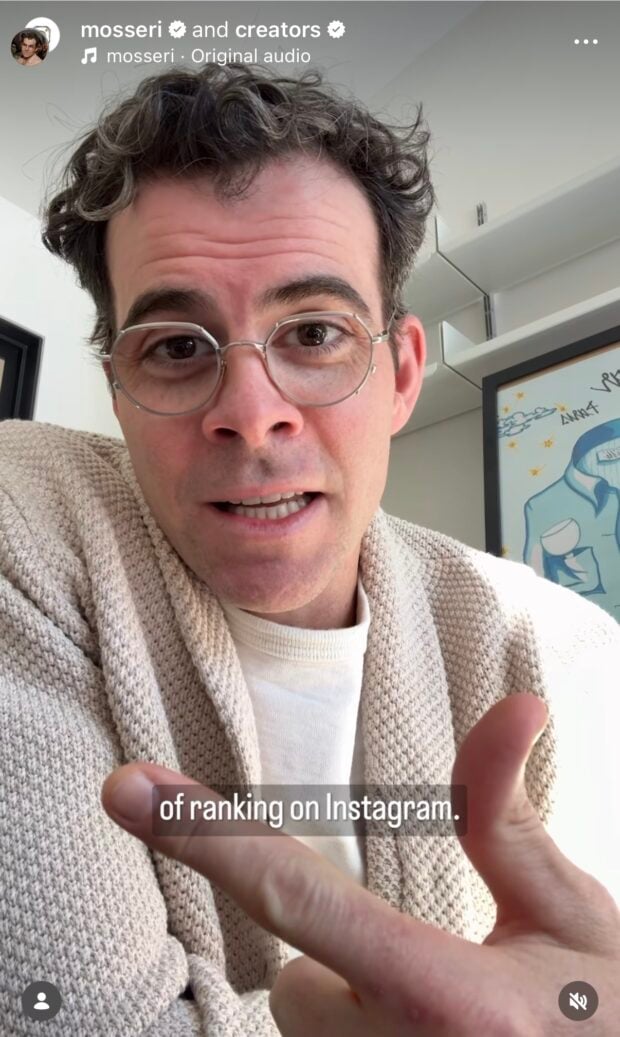
"The goal is to keep users scrolling by showing content that feels relevant, timely, and deeply personal," says Adam Mosseri, Head of Instagram. "What appears on one person’s Explore page is a unique digital fingerprint, entirely different from their neighbor’s."
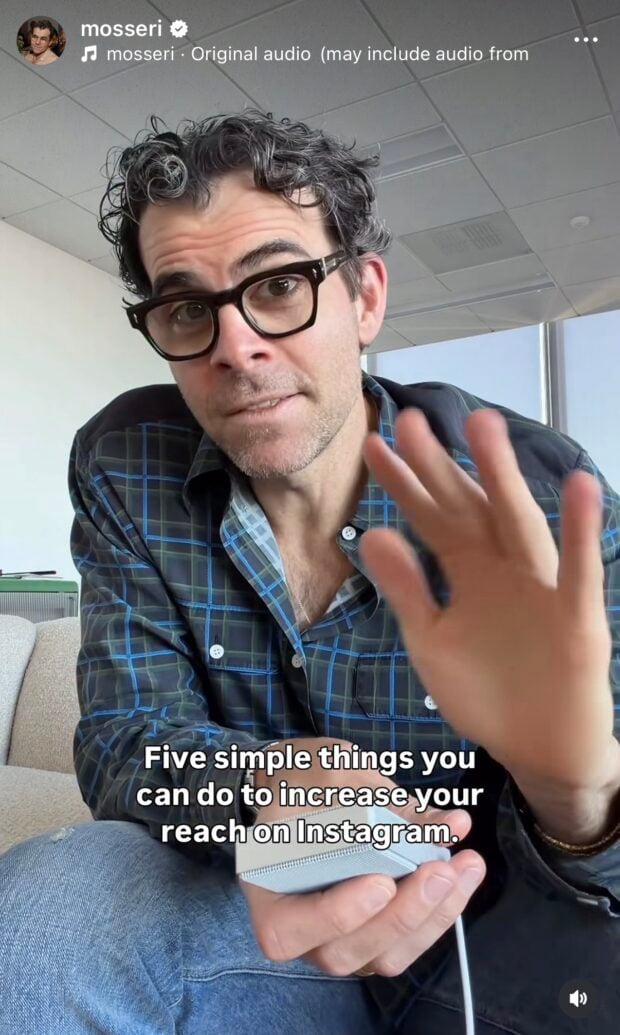
The Key Ranking Signals
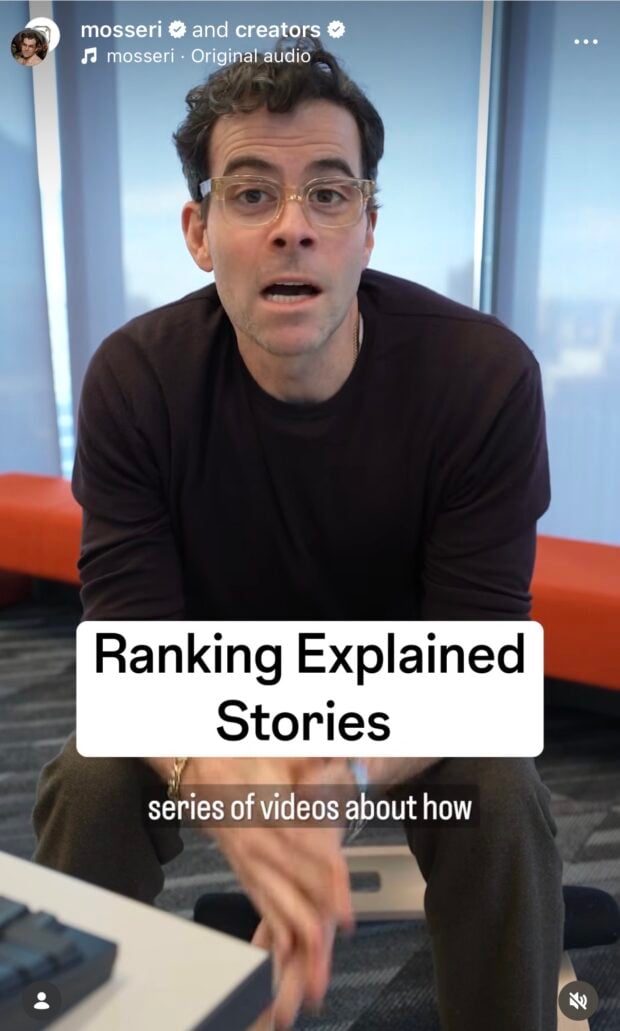
While each surface has its own nuances, the 2026 AI systems rely on five primary signals to determine a post’s worth:
- Watch Time: Specifically for video, how long a user stays before swiping.
- Shares and Sends: The frequency with which content is moved from the public sphere into private Direct Messages (DMs).
- Saves: An indicator of long-term value or utility.
- Relevance: How well the content matches the user’s history and stated interests.
- Relationship Score: The history of interaction between the creator and the viewer.
Chronology: The Evolution of the Feed (2010–2026)
To understand the 2026 landscape, one must look at the trajectory of Instagram’s architectural philosophy over the last 16 years.
- 2010–2016: The Chronological Era. Content was served in a simple reverse-chronological order. Reach was a function of timing and follower count.
- 2016–2021: The Unified Algorithm. Instagram introduced a singular algorithmic feed to manage the explosion of content. This era was defined by the "engagement bait" phenomenon, where likes and comments were the only metrics that mattered.
- 2022–2024: The Reels Pivot. Faced with intense competition from TikTok, Meta integrated heavy AI recommendations into the main feed, moving away from a "social graph" (who you follow) to a "content graph" (what you like).
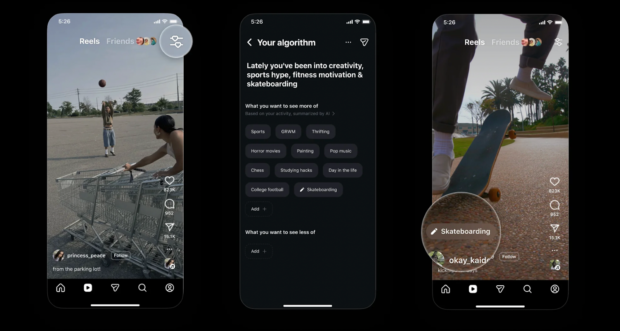
- 2025: The Year of Control. Late in 2025, Instagram launched "Your Algorithm," a feature allowing users to manually down-rank topics they no longer found interesting, marking a shift toward transparency.
- 2026: The AI-Integrated Era. Today, AI doesn’t just rank content; it translates it in real-time, tests it with "Trial Reels," and protects younger users through automated Teen Restriction Accounts.
Supporting Data: How the Surfaces Function Individually
According to technical documentation released via Meta’s Transparency Center, the 2026 AI uses a pool-and-score method. It gathers thousands of potential posts and scores them based on the user’s predicted likelihood of taking an action.
The Instagram Feed: A Hybrid Experience
The Feed is now a blend of accounts a user follows and AI-recommended "Suggested for You" content. The ranking logic here focuses on:
- Post Information: Is it a photo or video? When was it posted? Is there a location tag?
- Author History: How often has the user interacted with this specific person in the last few weeks?
- User Activity: Does the user typically engage with carousels or single images?
Reels: The Entertainment Engine
The Reels algorithm is designed for discovery. Meta’s data shows that users in 2026 use Reels primarily for "unconnected" entertainment. The AI scores Reels based on the likelihood that a user will watch the video to the end and, more importantly, share it with a friend.
Stories: The Inner Circle
Unlike Feed and Reels, Stories are almost exclusively from followed accounts. The AI here is a "closeness" engine. It looks at "significant interactions," such as replying to a Story or liking a slide, to move a creator to the front of the user’s Story bar.

Explore: The Interest Map
Explore remains the most complex surface, utilizing over 36 distinct ranking signals. It acts as a predictive model, showing users what they will like based on what they have liked in the past.

Official Responses and Expert Insights
Industry leaders suggest that the 2026 algorithm is harder to "game" but easier to "partner with" if a brand’s goals align with Meta’s.

Adam Mosseri’s Directives
In recent public addresses, Mosseri has been vocal about the platform’s move toward "originality." He noted that "shares" are now a top-tier ranking signal because they represent a "real-world connection." When a user sends a Reel to a friend, it tells the AI that the content sparked a conversation, which Meta values more than a passive "like."

Expert Analysis: The Marketer’s Perspective
Eileen Kwok, a veteran social marketing specialist, emphasizes that the 2026 algorithm rewards brevity and "hooks." "You have roughly three seconds to capture attention before the AI notes a ‘bounce’ signal," Kwok says. "Conciseness is no longer just a stylistic choice; it’s a technical requirement for reach."

Jason Fung, Marketing Coordinator at Black & White Zebra, highlights the impact of the new Teen Restriction Accounts. "The 2026 update includes automated safety settings for Gen Z users. Marketers must ensure their content is ‘algorithmically safe.’ If your content is flagged as potentially harmful or low-quality, it won’t just be hidden from teens—it will be down-ranked across the board."

Implications: The Future of Digital Marketing
The shift in the 2026 Instagram algorithm has profound implications for businesses and the broader creator economy.

1. The Death of "Recycled" Content
Instagram’s AI has become adept at identifying watermarks and metadata from rival platforms like TikTok. In 2026, "recycled" content is actively suppressed. The algorithm rewards content created within the Instagram interface or uploaded with clean metadata, favoring those who lean into Instagram-specific formats.

2. The Rise of Social SEO
Keywords have largely replaced hashtags as the primary discovery tool. "Social SEO" is now a standard practice. The AI indexes captions, alt-text, and even the audio transcripts of Reels to categorize content. Brands that fail to optimize their captions with searchable keywords are effectively invisible on the Explore page.

3. "Trial Reels" as a De-Risking Tool
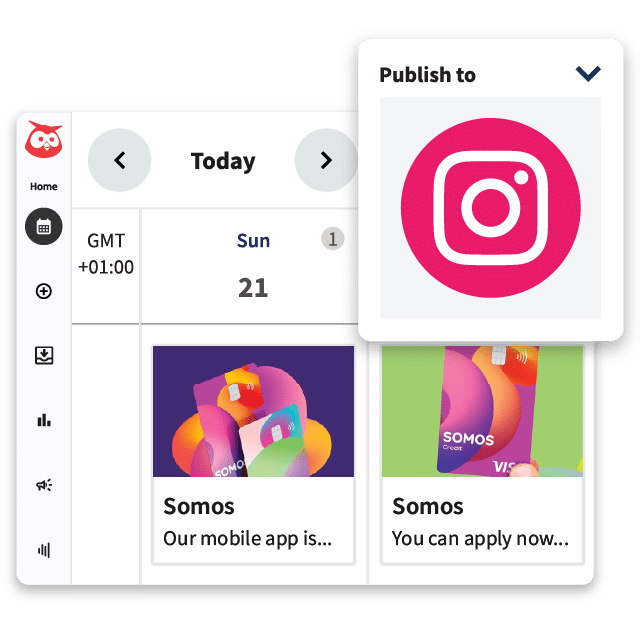
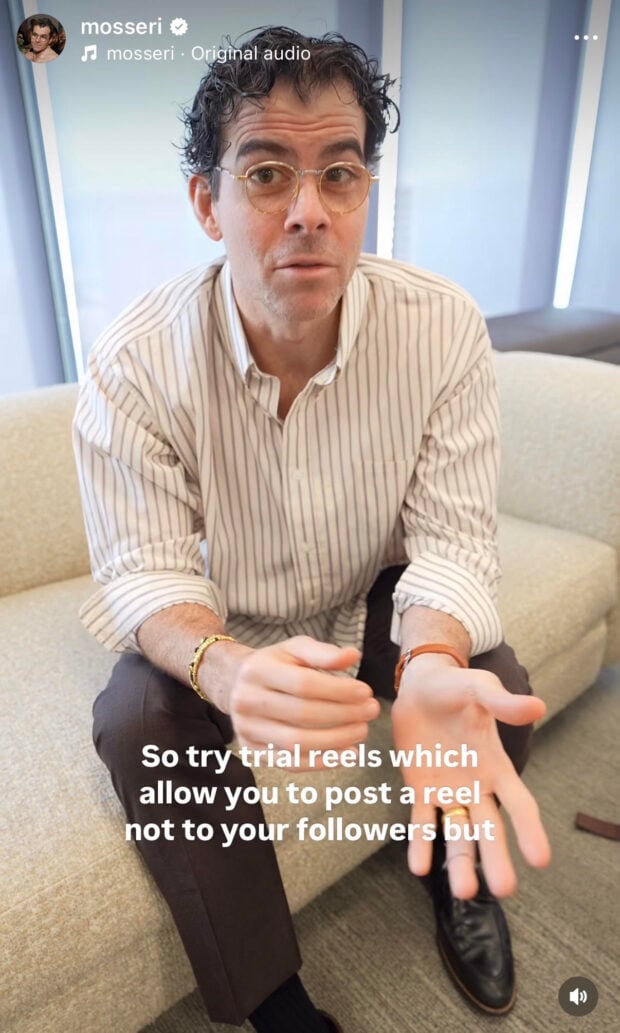
One of the most innovative features of 2026 is the "Trial Reel." This allows creators to post a video that is shown only to non-followers. This serves as a sandbox for the AI to gather data. If a Trial Reel performs well with a cold audience, the algorithm "greenlights" it for the creator’s main followers, ensuring that only high-quality content hits the primary feed.

4. Global Reach through AI Translation
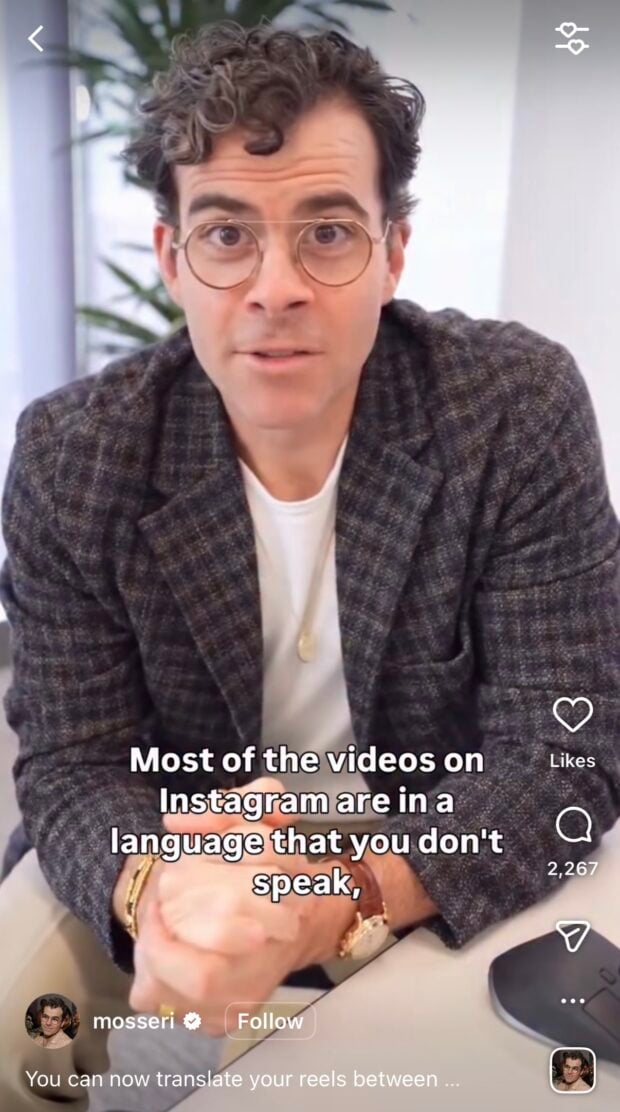
With the late-2025 rollout of AI-powered audio and text translation, the 2026 algorithm has effectively dissolved language barriers. A Reel produced in English can now be automatically dubbed into Hindi, Spanish, or Portuguese. This has expanded the "potential audience" signal, allowing local creators to achieve global virality more easily than ever before.

5. Intentional Consumption: "Your Algorithm"
The "Your Algorithm" control center represents a pivot toward ethical AI. By allowing users to see and edit their interest tags, Instagram is attempting to reduce "doomscrolling" and increase "meaningful sessions." For marketers, this means that "niche-ing down" is more important than ever. If a user has manually selected "Sustainable Fashion" as a top interest, the algorithm will prioritize those brands with surgical precision.

Conclusion: The Path Forward
As we navigate 2026, the Instagram algorithm remains a moving target, but its trajectory is clear: it is an AI that values human connection. The "North Star" metric has moved from the "Like" to the "Share."

For enterprise social teams and independent creators alike, the strategy for 2026 is not to fight the AI, but to feed it the signals it craves: original content, keyword-rich captions, and videos that are shareable enough to move from the public feed into the private conversation. In the words of Alyssa Hirose, a prominent digital strategist, "To be loved on Instagram in 2026 is to be seen—but to be seen, you must first be shared."
 Basiran
  Nana Muazin
  Nila Kartika Wati