
 By Nana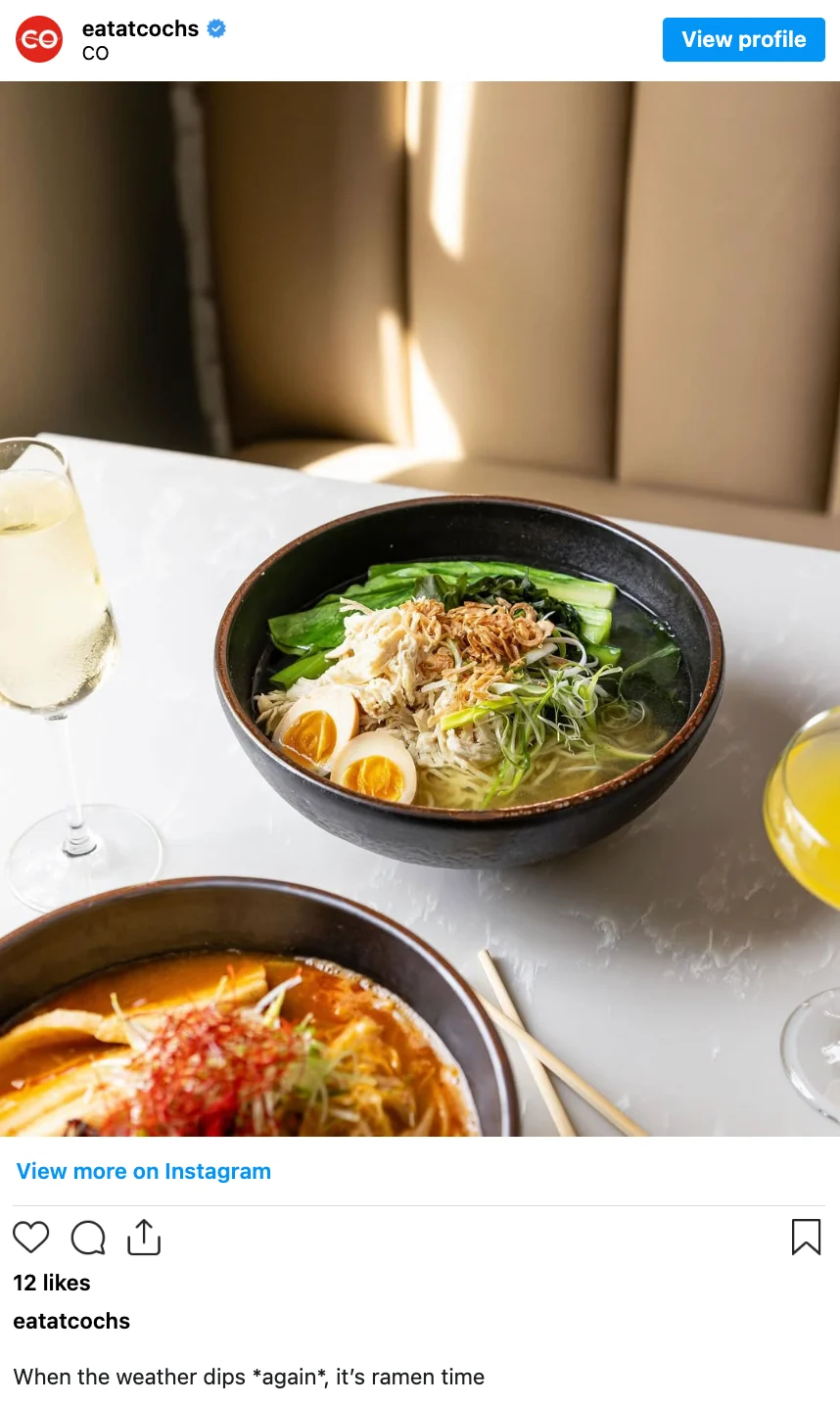
In an era where digital noise has reached a deafening crescendo, the modern marketing department faces a fundamental existential question: Is it better to earn an audience or buy one? As social media platforms evolve into complex, algorithm-driven ecosystems, the traditional wall between "organic" and "paid" social media is not just crumbling—it is being intentionally dismantled to make way for a unified, hybrid approach.
Recent market projections indicate that social media advertising spend is expected to surge by 15.6% in 2026, reaching a staggering $124.88 billion globally. Yet, as budgets inflate, the value of authentic, unpaid connection remains the bedrock of brand longevity. This report explores the current state of social media marketing, the distinct advantages of organic and paid channels, and why the most successful enterprises are no longer choosing between the two.
Main Facts: Defining the Two Pillars of Digital Presence
At its core, organic social media refers to the free content—posts, Stories, Reels, and community interactions—that a brand shares to connect with its existing followers. It is the digital equivalent of a storefront’s personality; it is where a brand’s "voice, values, and vibe" come through, according to Peter Murphy Lewis, Fractional CMO at Strategic Pete. Organic content is designed for engagement, relationship-building, and customer service rather than the "hard sell."
Conversely, paid social media is content that a brand pays to promote to a specific, often new, audience. This includes boosted posts, lead-generation ads, and sponsored influencer partnerships. Unlike organic reach, which is subject to the whims of the platform’s algorithm, paid reach is a commodity. Brands set a budget, define a target demographic, and essentially "rent" space in the feeds of potential customers.
The primary tension lies in their delivery: Organic content builds trust over time but suffers from "algorithmic throttling," where only a fraction of a brand’s followers may see a given post. Paid content offers immediate scale and precision but risks "ad fatigue," a phenomenon where users subconsciously tune out any content labeled as "sponsored."
Chronology: The Evolution of the Social Media Marketplace
To understand the current hybrid necessity, one must look at the historical trajectory of social media marketing:
The Organic Gold Rush (2004–2012)
In the early days of Facebook, Twitter, and later Instagram, reach was largely chronological. If a brand posted an update, the majority of its followers saw it. This era was defined by rapid, free audience growth. Brands viewed social media as a "free" megaphone, leading to a massive influx of corporate presence on these platforms.
The Algorithmic Shift and Monetization (2013–2019)
As platforms went public (Facebook in 2012, Twitter in 2013), the pressure to generate revenue led to the introduction of sophisticated advertising tools. Simultaneously, the sheer volume of content necessitated the move from chronological feeds to algorithmic curation. Organic reach began to plummet—a phenomenon often called "Reachpocalypse"—forcing brands to adopt "Boost" buttons and ad managers to maintain visibility.
The Era of Precision and Community (2020–2024)
The pandemic accelerated digital transformation, making social media the primary point of contact between brands and consumers. Paid social became highly scientific, utilizing retargeting pixels and lookalike audiences. However, consumers also became more discerning, seeking "authentic" brands, which revitalized the importance of organic community management.

The Hybrid Integration (2025–Present)
We have entered a period where organic and paid strategies are no longer siloed. Data from organic posts now informs paid spend, and paid ads are designed to look and feel like organic content to bypass consumer skepticism. The focus has shifted from "channel management" to "ROI optimization" through integrated dashboards.
Supporting Data: The Economics of the Feed
The shift toward a hybrid model is driven by hard numbers. With the projected $124.88 billion ad spend in 2026, the competition for the "scroll" has never been more expensive.
- Reach Disparity: Industry benchmarks suggest that organic reach for business pages on major platforms now averages between 1% and 5% of their total follower count.
- The Trust Factor: Despite the power of ads, studies consistently show that users are 70% more likely to convert when they have had multiple organic touchpoints with a brand before seeing a paid ad.
- ROI Dynamics: Paid social delivers faster, directly measurable ROI through Cost-Per-Click (CPC) and Return on Ad Spend (ROAS). Organic social, while harder to measure, provides "compounding ROI" by reducing customer churn and building brand equity that lowers the long-term cost of acquisition.
Brian Futral, Founder of The Marketing Heaven, notes that organic social is "sticky." While paid ads provide a temporary spike, organic interactions create what he calls "emotional residue"—a lasting brand impression that money cannot buy.
Official Responses: Expert Insights on Strategy
Marketing leaders across the industry emphasize that the "Organic vs. Paid" debate is a false dichotomy.
Shanté Gorman, Founder of Sugarpunch Marketing, highlights the psychological advantage of organic interactions. "Nothing beats organic social for building real connections," she states. "The trust and loyalty that develops when people engage with content that isn’t obviously promotional creates a community feeling that paid efforts just can’t replicate."
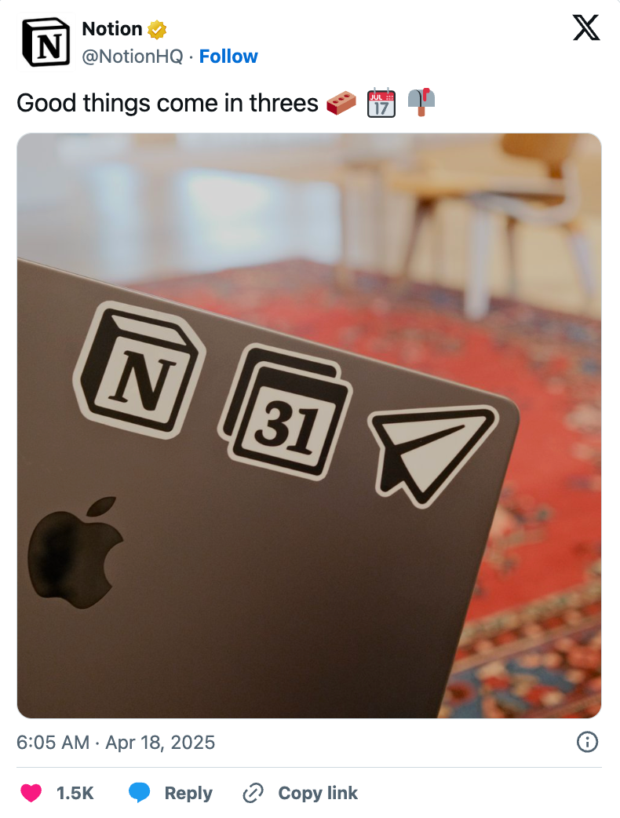
However, Gorman also acknowledges the "kiss of death" that the "sponsored" label can bring to engagement. To combat this, she suggests a strategy of "boosting" top-performing organic posts. This allows a brand to take content that has already proven its value through organic likes and comments and push it to a wider audience, maintaining a sense of authenticity while utilizing the "targeting muscle" of paid promotion.
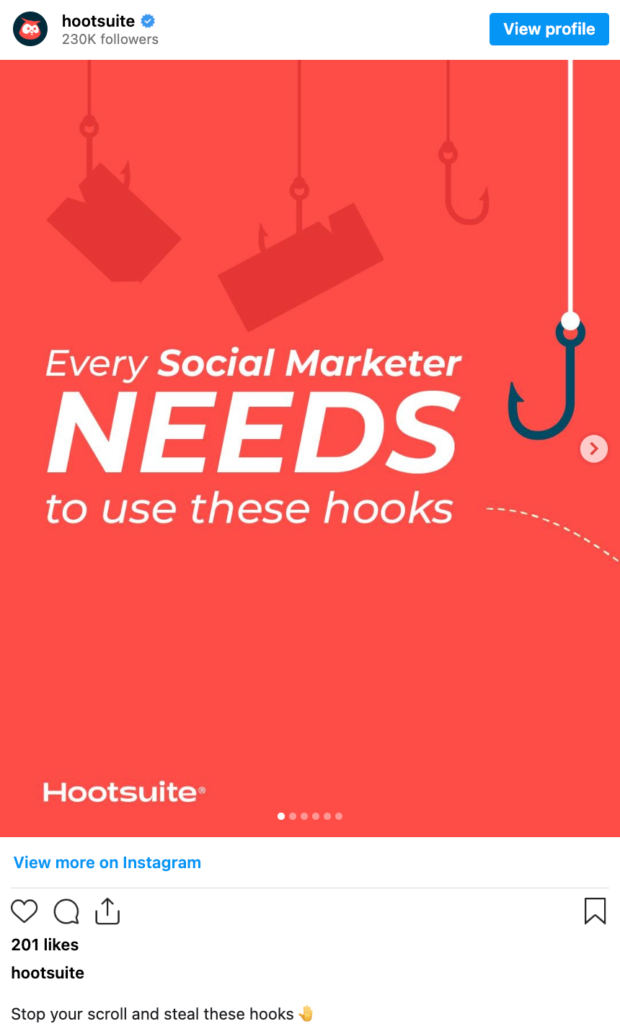
Kris Flank, CEO of LunarLinks, argues that organic content should serve as a laboratory for paid campaigns. "Utilize paid to enhance what’s already building momentum organically," Flank advises. "What you won’t be doing is speculating—you’ll be investing in content that people have already indicated they are interested in."
From a corporate perspective, Jason Pack, CRO at Freedom Debt Relief, sums up the integrated philosophy: "Paid and organic work best hand-in-hand. You should run ads to drive sales and use organic content to build trust, engagement, and long-term loyalty."
Implications: The Future of Social Media Management
The convergence of these two pillars has significant implications for how businesses operate.
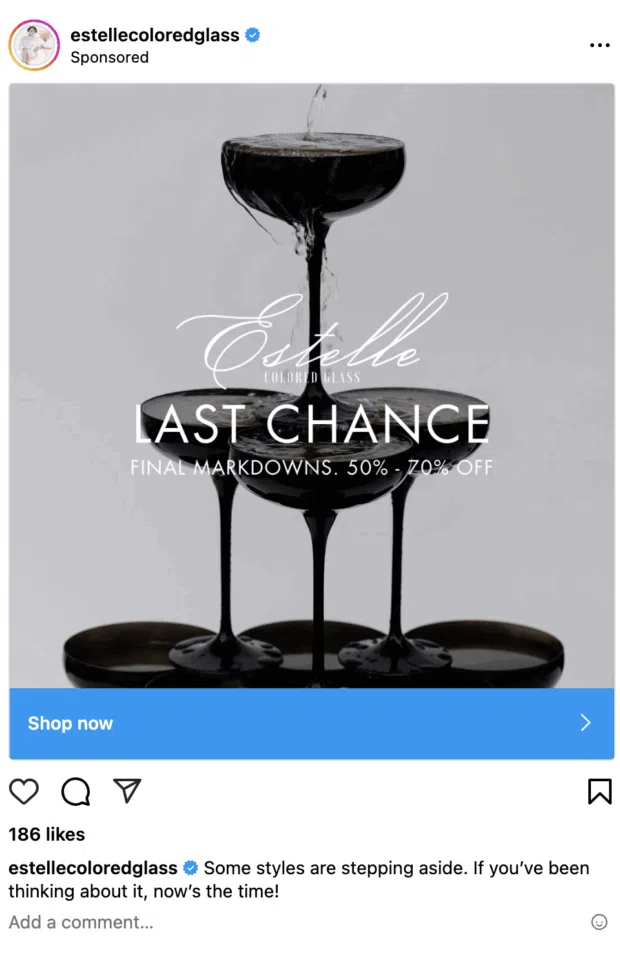
1. The Death of the Silo
The most immediate implication is the need for integrated teams. Traditionally, "Community Managers" handled organic posts while "Performance Marketers" handled ads. In 2026, these roles must merge. Data from community interactions must inform ad copy, and ad performance must guide the creative direction of organic content.
2. The Rise of Unified Dashboards
As strategies merge, the demand for "single-pane-of-glass" management tools like Hootsuite has intensified. Managing organic and paid content in separate tabs is no longer viable for enterprises that need to move at the speed of social. Unified analytics allow brands to see the "full-funnel" impact of their social activity, from the first organic Story view to the final paid conversion.
3. Hyper-Targeted Organic Boosting
The future of social advertising lies in "invisible" ads—organic posts that are strategically boosted based on performance triggers. For example, if an organic post reaches a certain threshold of shares, automated systems can now trigger a set amount of ad spend to capitalize on that momentum instantly.
4. A Shift in Measurement
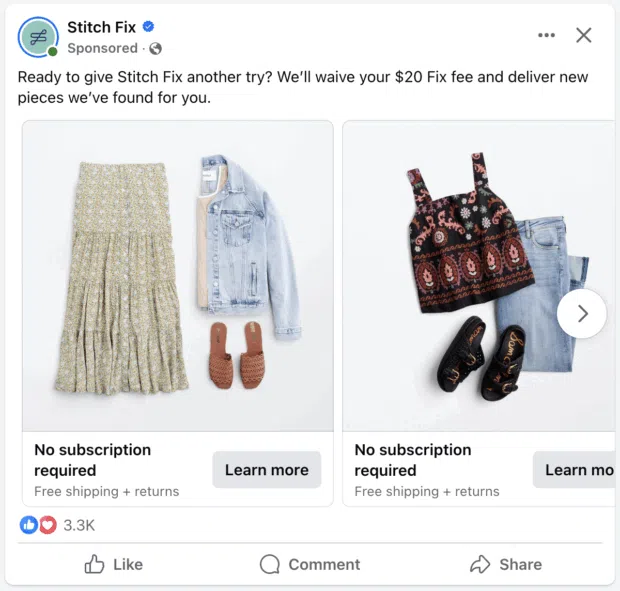
Success is no longer measured just by "Followers" (organic) or "Clicks" (paid). Instead, brands are looking at "Social ROI," a holistic metric that accounts for brand sentiment, customer lifetime value (LTV), and attributed revenue across all social touchpoints.
5. Combatting Ad Fatigue through "Value-First" Creative
With $124 billion in ads flooding the market, the "hard sell" is losing its efficacy. The implication for brands is a return to high-quality storytelling. Paid ads in 2026 will increasingly look like educational or entertaining organic content, focusing on providing value before asking for a sale.
Conclusion: The Integrated Path Forward
The debate between organic and paid social media is over; the winner is the hybrid model. Organic social media remains the soul of the brand—the place where trust is built and communities are nurtured. Paid social media is the engine—the tool that provides the scale, precision, and speed necessary to compete in a global marketplace.
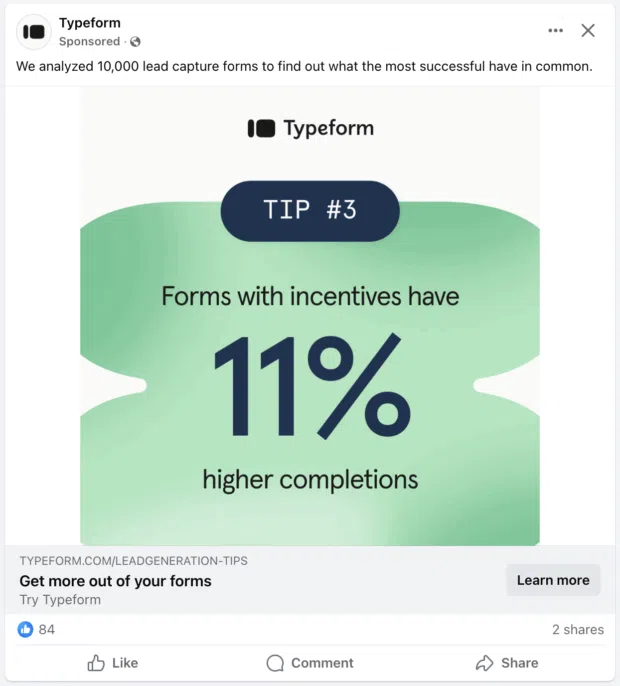
For businesses looking to thrive in 2026, the mandate is clear: Lead with organic to find your voice and your audience’s pulse, then use paid to amplify that voice to the world. By treating social media as a single, integrated ecosystem rather than two competing channels, brands can build the "emotional residue" necessary for loyalty while achieving the measurable results required for growth. In the high-stakes world of digital marketing, the most powerful tool is not the budget or the content—it is the synergy between the two.
 Raul Delapena Setiawan
  Basiran
  Asro
Asro 