
 By Iffa Jayyana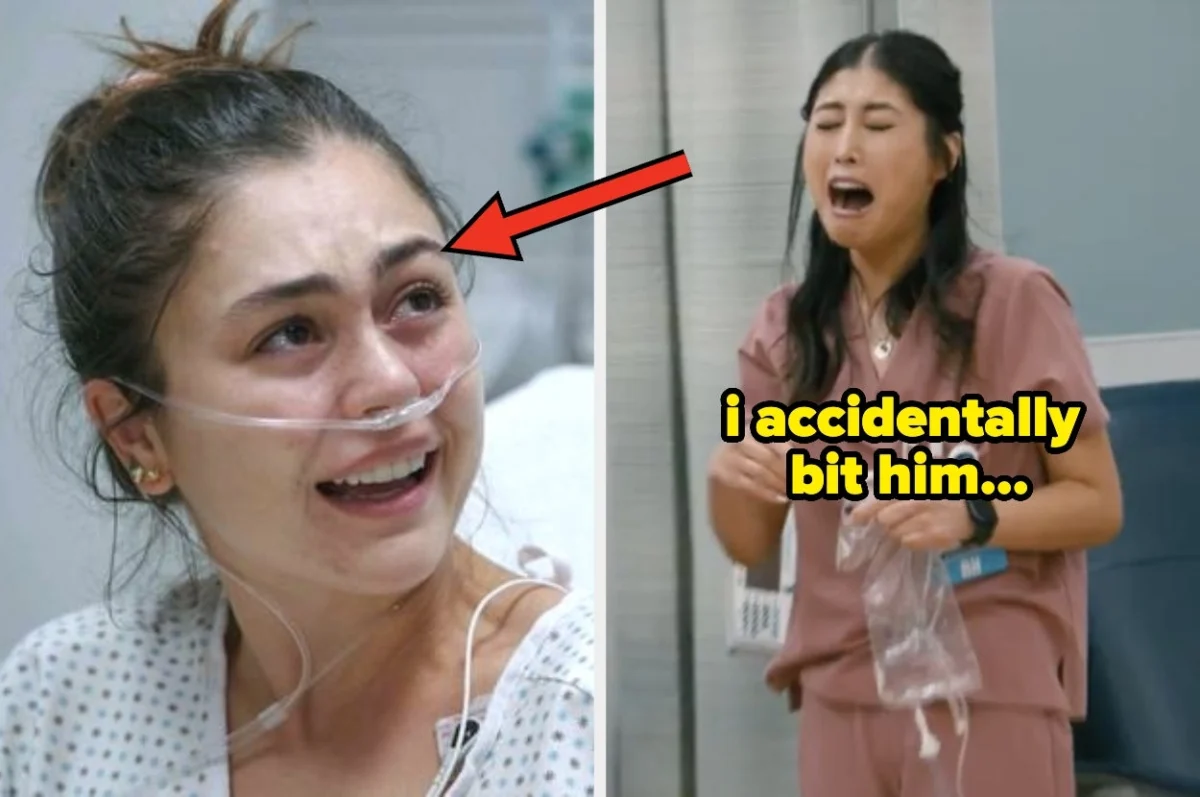
The sterile environment of a doctor’s office is designed to be a place of healing, predictability, and professional decorum. Yet, as recent anecdotal evidence from thousands of patients suggests, the reality of clinical care often veers sharply into the chaotic, the hilarious, and the downright surreal. From anesthesia-induced confessions to catastrophic communication breakdowns, the doctor-patient relationship is frequently tested by the sheer unpredictability of the human experience.
Following a recent survey regarding "wildest" medical visits, a new wave of reader responses has emerged, painting a vivid picture of the anxieties, mishaps, and awkward encounters that define the modern healthcare journey. These accounts serve as a reminder that behind the white coats and clipboards, medicine is a messy, deeply human endeavor.
A Chronology of Clinical Chaos
The stories shared by patients span the entirety of the medical experience—from routine diagnostic procedures to high-stakes surgery. These narratives can be categorized by the stage of the encounter, highlighting how tension often gives way to unexpected comedy or tragedy.
Pre-Procedure Anxiety and Miscommunications
Many of the most memorable stories stem from the gap between medical terminology and patient perception. For many, the "dentist comparison" is a common tool used by physicians to minimize patient apprehension. However, one 69-year-old male patient found this analogy lacking during a prostate biopsy. After being told the procedure would be "just like a bad trip to the dentist," the patient endured 15 consecutive needle samples, eventually snapping, "Then you need to find a new fucking dentist." The ensuing uncontrollable laughter between doctor and patient highlights how humor serves as a vital coping mechanism when professional assurances fail to match physical reality.
Similarly, auditory misunderstandings can have awkward consequences. One 71-year-old patient with hearing difficulties misinterpreted a dentist’s command of "Light" as "Bite," resulting in an unintentional (though minor) injury. These stories underscore the necessity for clearer communication protocols in high-pressure environments.
The "Anesthesia Effect"
Perhaps no phase of the medical experience produces more bizarre content than the period immediately surrounding general anesthesia. Patients, emerging from a pharmacological fog, often find themselves liberated from their social filters.
- *The "MASH" Fan:* A 50-year-old transplant patient famously hallucinated an episode of the classic television series MASH, warning his "Hot Lips" nurse not to let "Frank" perform his surgery.
- The Philosophical Patient: One patient, when asked if they wanted their glasses removed for gallbladder surgery, retorted with the logical inquiry: "Unless you’re going to be the one doing the procedure on myself, I would like my glasses off."
- The Inappropriate Request: A patient emerging from a colonoscopy, still under the influence of sedatives, spent their recovery time instructing fellow hospital visitors to "pull my finger."
The High Stakes of Human Error
While many stories are comedic, others highlight significant lapses in professional judgment or systemic failure. One 83-year-old patient in Florida reported being injured during a stress test when a treadmill accelerated too rapidly, causing a fall that resulted in a broken arm. The subsequent frustration regarding the $7,000 cost for basic emergency care points to the broader, more serious implications of the American healthcare billing system.
Even more shocking is the account of a patient prepped for a routine ingrown toenail removal who witnessed their surgeon being arrested and handcuffed for a historical murder charge. Such anomalies, while rare, emphasize that medical providers are as fallible and complex as the patients they treat.
Supporting Data: The Patient Perspective
While these narratives are anecdotal, they reflect broader trends in patient satisfaction and the "white coat hypertension" phenomenon. According to health communication researchers, patients who feel unheard or who experience "medical gaslighting"—such as the woman who was told to mortgage her home and get weight-loss surgery after a three-minute consultation—are significantly less likely to return for follow-up care.
Furthermore, the prevalence of "medical trauma" regarding needles and blood draws is well-documented. The story of a 10-year-old girl who was told a blood draw wouldn’t hurt, only to scream in pain and embarrass the nursing staff, reflects a failure in "bedside manner" that can have long-term psychological impacts on a patient’s willingness to seek care later in life.
Official Responses and Clinical Standards
Medical ethics boards generally emphasize the importance of "informed consent" and "truthfulness." When a provider lies to a patient—even with the intention of calming them—they risk fracturing the fundamental trust required for effective treatment.
In instances of high-stress procedures, such as colonoscopies or GYN exams, the use of humor (like the "Pink Palace" T-shirt incident) can either bridge the gap between provider and patient or create a sense of unprofessionalism. Experts suggest that while humor is an effective tool to diffuse tension, it must be used with extreme caution to ensure the patient feels respected rather than mocked.
Implications for the Future of Healthcare
The Need for Empathetic Communication
The recurring theme across these accounts is a desperate need for transparency. Patients do not necessarily want a "painless" experience if it is physically impossible; they want an honest one. When a doctor says a procedure will be like a "bee sting," and it feels significantly worse, the patient loses faith in the provider’s clinical judgment.
Systems-Based Improvements
The instances of excessive billing, such as the $7,000 charge for an X-ray and a cast, represent a structural failure that often outweighs the humor of the situation. As healthcare becomes increasingly corporatized, the "human touch" is often sacrificed for throughput. Hospitals and clinics would benefit from reviewing these types of "patient experience" stories to identify where communication protocols—and billing transparency—are failing.
The Role of Humor as a Safety Valve
Perhaps the most significant takeaway is the resilience of the patient. Whether it is a child managing their fear of needles or an elderly patient laughing through a biopsy, patients use humor to regain control in an environment where they are often stripped of their autonomy.
Conclusion: Lessons from the Exam Room
The doctor’s office remains a place where we are at our most vulnerable. The stories shared by our readers—from the terrifying to the absurd—reveal that medicine is not just about the technical application of science, but the navigation of human relationships.
For the providers, these stories serve as a cautionary tale: patients remember everything, especially when they are vulnerable. For the patients, these stories provide a sense of camaraderie. You are not alone in your awkward, painful, or hilarious medical experiences. Whether it was the "Pink Palace" incident or a misunderstanding about a gas bubble that turned out to be a simple case of flatulence, these moments define our shared human condition.
As we continue to navigate the complexities of the modern medical system, perhaps the best advice is to maintain a sense of humor, insist on clear communication, and—if you’re going under anesthesia—try not to tell the staff to "pull your finger."
Do you have an unforgettable doctor’s office story? Whether it was a moment of profound confusion, an accidental confession, or a bizarre medical mishap, we want to hear from you. Share your experiences in the comments section below or via our anonymous submission portal.
 Ammar Sabilarrohman
  rifanmuazin
  Suro Senen