
 By Ali Ikhwan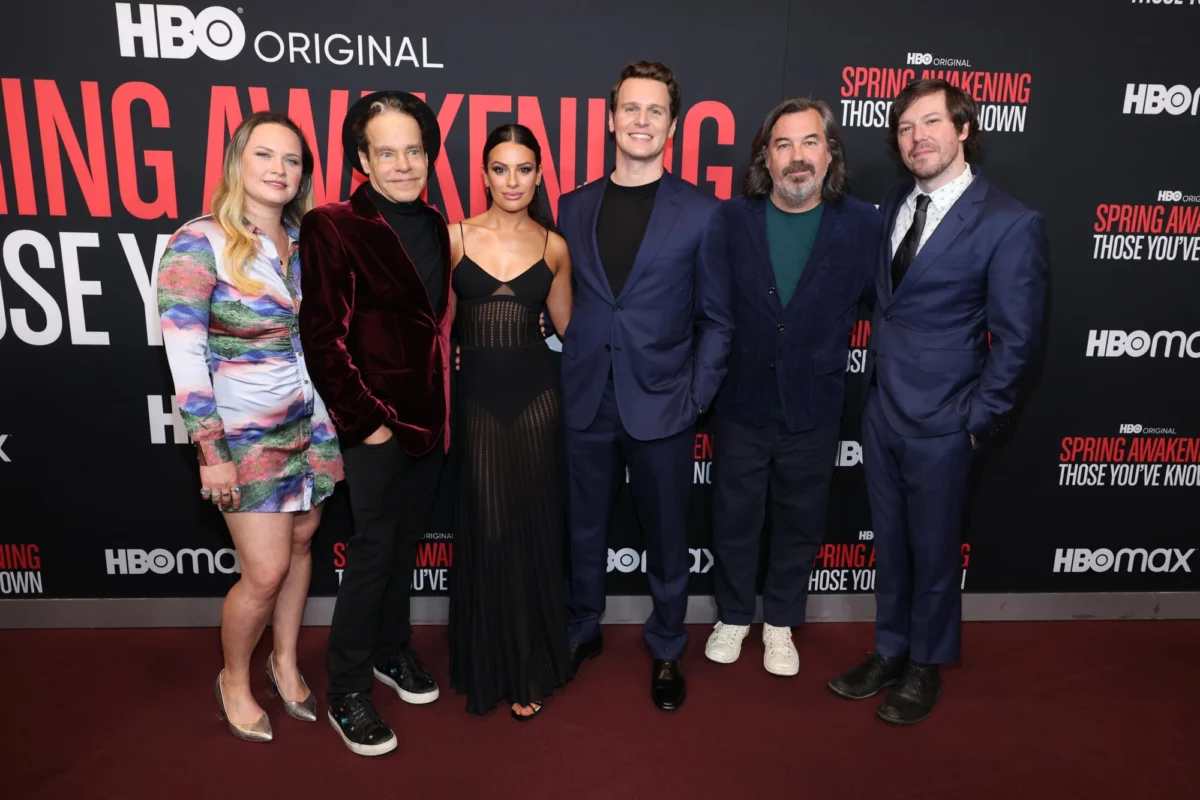
Duncan Sheik, the visionary singer-songwriter who defined the sound of the late 1990s with his melancholic alt-pop and later revolutionized the Broadway landscape, passed away on Thursday in Manhattan. He was 56.
His mother, Suzanne Sheik, confirmed the news to The New York Times, stating that the cause of death was heart failure, which resulted in sudden cardiac arrest. His passing has triggered a profound outpouring of grief, not only from the music industry but from an entire generation of "extremely online" theater kids for whom Sheik’s compositions served as the raw, unfiltered soundtrack to their formative years.
The Man Behind the Melody: A Career in Two Acts
To many, Duncan Sheik was the face of the 1996 self-titled debut album that gifted the world the enduring, yearning anthem "Barely Breathing." The song was a masterclass in soft-spoken angst—a deceptively simple track that climbed to No. 16 on the Billboard Hot 100 and anchored itself on the charts for an astonishing 55 weeks. It was a ubiquity that earned him a Grammy nomination and cemented his status as a quintessential ’90s troubadour.
However, Sheik’s artistic legacy is defined by a distinct duality. While "Barely Breathing" captured the individual, private ache of a broken heart, his transition to musical theater allowed him to project that ache onto a grander, more communal stage. In 2006, Sheik debuted Spring Awakening, an adaptation of Frank Wedekind’s 1891 play. It was a bold, rock-infused departure from the traditional Broadway sound, and it would change the course of modern musical theater forever.
Chronology: From Alt-Pop Star to Broadway Icon
- 1996: Sheik releases his self-titled debut, featuring the breakout single "Barely Breathing," which becomes a defining hit of the decade.
- 1998: He earns a Grammy nomination for Best Male Pop Vocal Performance, solidifying his commercial success.
- 2006: Spring Awakening makes its Broadway debut at the Eugene O’Neill Theatre. The show, featuring music by Sheik and lyrics by Steven Sater, becomes an instant cult phenomenon.
- 2007: The musical sweeps the Tony Awards, winning eight, including Best Musical and Best Original Score.
- 2007–2010: The show gains a massive, grassroots following online, fueled by early social media platforms and the rapid spread of cast recordings.
- 2022: The original cast reunites for a critically acclaimed documentary, Spring Awakening: Those You’ve Known, reminding a new generation of the show’s lasting impact.
- 2026: Duncan Sheik passes away in New York City at the age of 56.
The Digital Awakening: A New Kind of Fandom
While the critical accolades for Spring Awakening were immense, its cultural impact was perhaps best measured by the digital fervor it ignited. Long before the era of TikTok-driven trends and official fan accounts, Spring Awakening was the catalyst for one of the first truly modern, digital-native fandoms.

For teenagers scattered across the globe, the show was not just a Broadway production—it was a lifeline. Because the show centered on themes of repression, forbidden desire, and the catastrophic intensity of youth, it spoke directly to the digital-native generation who were already finding solace in the "messier corners" of the internet.
Fans traded grainy YouTube clips of performances, shared shaky, low-fidelity audio recordings of cast interviews, and obsessively parsed the lyrics of "The Bitch of Living" and "Totally Fucked." They weren’t just fans of the show; they were members of a community that found validation in the characters’ struggles against a world of adults who refused to listen. This was the birth of a specific type of internet culture: the theater kid as a digital archivist, obsessed with the details and eager to share the gospel of the show with fellow outcasts.
Supporting Data and Cultural Significance
The success of Spring Awakening was not merely a matter of artistic merit; it was a shift in how theater interacted with its audience. The original cast—featuring future stars like Jonathan Groff, Lea Michele, and John Gallagher Jr.—became symbols of this cultural shift.
The numbers tell only part of the story. The show ran for 859 performances on Broadway, but its afterlife in regional productions, high school theater programs, and constant streaming of its cast album solidified its place in the canon of "youth-oriented" art. Sheik’s score—which blended modern acoustic pop with the dark, jagged reality of late-19th-century Germany—created a soundscape that felt timelessly adolescent.
As noted by cultural critics, Sheik’s work was "built around the particular intensity of being young." He possessed the rare ability to translate the feeling of being "misunderstood and suppressed" into melodies that were both catchy and devastating.

Official Responses and Industry Legacy
The theater community has been swift in its mourning. Tributes have poured in from collaborators, fellow musicians, and the cast members whose careers were launched by his compositions.
"Duncan didn’t just write music for us; he wrote music for the part of ourselves we were too scared to show anyone else," said one industry peer in a social media tribute. Broadway institutions have also recognized the gravity of his passing, noting that his influence on the contemporary musical theater score—moving it away from traditional orchestrations and toward the pop-rock sensibility—cannot be overstated.
On platforms like X (formerly Twitter), the mourning has taken a more personal tone. Fans who were once teenagers in 2007 are now adults, sharing how the score of Spring Awakening helped them navigate their own "teen turbulence." The recurring sentiment is one of profound gratitude: he gave voice to the feelings that were previously too big to name.
The Implications: Why His Work Endures
What does it mean for a composer’s work to remain "stuck" in a specific, formative period of a fan’s life? For many, Duncan Sheik’s music functions as a time capsule. When the opening chords of "Barely Breathing" strike, listeners are instantly transported to the late ’90s. When the opening notes of "Mama Who Bore Me" play, they are back in their bedrooms, feeling the world with the acute, overwhelming sensitivity of youth.
Sheik’s passing leaves a void in the landscape of American songwriting, but his influence is baked into the DNA of today’s musical theater. He opened the door for creators to explore darker, more complex, and more "online" themes within the medium of the stage. He proved that you didn’t have to be a traditional composer to win on Broadway; you just had to be honest.

As we look back on his career, it is clear that Sheik’s legacy is not just in the awards he won or the charts he topped. It is in the millions of teenagers who, for the last three decades, have felt a little less alone because he had the courage to turn their internal chaos into melody.
Nearly 20 years after the height of the Spring Awakening phenomenon, those songs still know exactly where to find us. And for the generation that grew up alongside his music, that is the most enduring gift of all. Duncan Sheik may be gone, but the feelings he soundtracked—the ones that feel too big, too loud, and too real—remain.
 Nana Wu
  Nana Muazin
  Sagoh
Sagoh 