
 By Nana Wu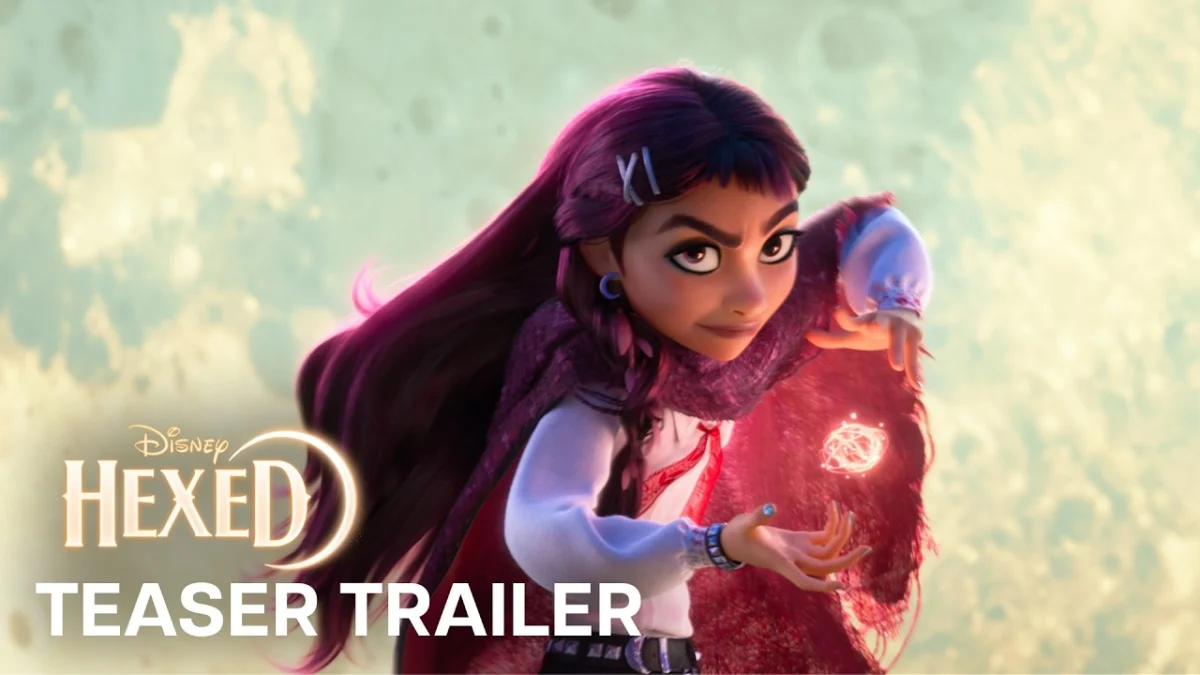
When the first promotional materials for Disney’s upcoming animated feature, Hexed, were unveiled in April, the discourse was primarily focused on aesthetic fidelity. Fans and concept artists alike scrutinized the transition of the protagonist from a male character to a female lead, alongside a 3D CG art style that appeared to diverge significantly from the studio’s early concept art. However, as the release date approaches, the conversation has shifted from character design to a much more technical—and perhaps more existential—concern: the evolution of cinematic framing in the age of vertical content.
With the release of the official teaser trailer, the animation community has found a new focal point for its frustration. Critics are now alleging that the film’s cinematography is being "optimized" for social media platforms like TikTok and Instagram, rather than for the grand, immersive experience of a cinema screen. This debate raises uncomfortable questions about the future of film composition, the influence of short-form media on big-budget productions, and whether or not artistic intent is being sacrificed at the altar of algorithmic discoverability.
A Chronology of Contention: From Concept Art to Viral Backlash
The trajectory of Hexed has been anything but smooth. The project was initially teased to excitement, with fans anticipating a return to the imaginative, high-fantasy storytelling that defined the golden age of animation.
- April 2026: The first character reveals were met with skepticism. Long-time Disney fans pointed to a disconnect between the studio’s early, stylized concept art and the final, more polished 3D CG look. The change in the lead character’s gender, while a creative choice, further polarized the fanbase.
- June 2026: The teaser trailer dropped, shifting the debate. Within hours of its release, sharp-eyed viewers on platforms like X (formerly Twitter) began creating side-by-side comparisons, placing the trailer’s footage into a 9:16 vertical ratio. The realization that the action rarely leaves the center of the frame—and therefore remains perfectly legible even when cropped for a smartphone screen—triggered a wave of criticism.
- Late June 2026: The comparison between Hexed and DreamWorks’ upcoming Forgotten Island intensified. As the two films compete for the "magical world" narrative space, Forgotten Island has been lauded for its bold use of the full widescreen frame, casting Hexed as a "generic" and "uninspired" follower of trends.
The Technical Argument: Is "Centered Framing" a Symptom of Social Media?
At the heart of the current controversy is the concept of "safe zones." In traditional filmmaking, directors and cinematographers use the "rule of thirds" and wide-angle blocking to guide the viewer’s eye across the entire screen. By utilizing the negative space and placing characters at the edges of the frame, filmmakers can create tension, intimacy, or scope.
Critics of the Hexed trailer argue that the film’s framing is suspiciously "lazy." By keeping the action, the characters, and the focal points of the background strictly within the center of the frame, the production team—consciously or unconsciously—has ensured that the footage can be easily repurposed for vertical mobile feeds.
The Argument Against "TikTok-ification"
The primary concern among industry purists is that this "center-cut" approach kills the cinematic experience. If a film is designed to be watched in a square or vertical slice, the director loses the ability to utilize the vast real estate of a cinema screen.
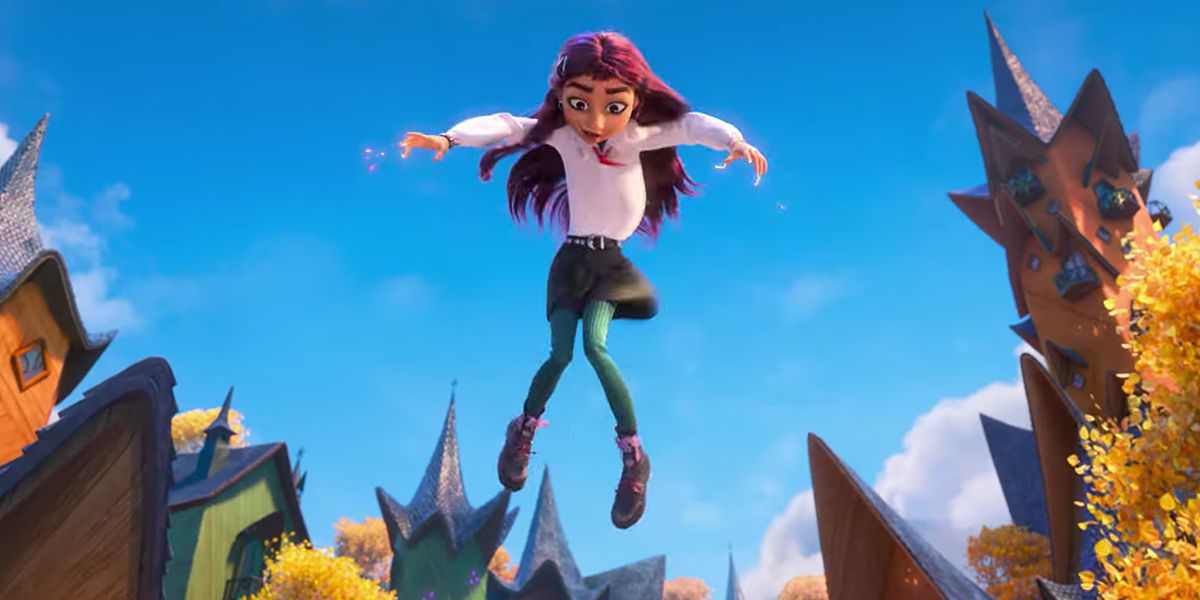
"The bad framing for the sake of TikTok/YouTube shorts sharing is part of what makes movies look amateur," one industry commentator noted on social media. "Good framing and blocking are a skill. When you force yourself to keep everything in the center, you lose the ability to tell a story through the environment. Everything becomes a static headshot."
The Counter-Argument: A Question of Style
However, dismissing Hexed as a victim of social media trends may be a reach. Proponents of the film’s aesthetic point out that centered framing has been a hallmark of some of the most celebrated directors in history. Stanley Kubrick, for instance, famously utilized one-point perspective and extreme symmetry to create a sense of unease and control. Wes Anderson’s entire career is built on the foundation of centered, symmetric compositions.
Is Hexed truly "pandering" to the TikTok generation, or is it simply utilizing a specific visual language that emphasizes the magical, controlled, and perhaps slightly "off" nature of its Hexe world? If the film’s narrative relies on the idea of a trapped or stifled protagonist—Billie Doe, voiced by Hailee Steinfeld—the use of claustrophobic, centered framing could be an intentional stylistic choice rather than a corporate mandate.
Comparative Analysis: Hexed vs. Forgotten Island
The debate is fueled by the proximity of the release of DreamWorks’ Forgotten Island. In the animation world, comparisons are inevitable, but the disparity in how these two trailers are being perceived is stark.
Where Hexed is being criticized for feeling "soft" and "generic," Forgotten Island is being championed for its "panoramic" feel. Viewers have pointed out that the Forgotten Island trailer makes use of the entire frame, utilizing wide shots to establish geography and movement in a way that suggests a grand adventure.
The sentiment among animation fans is that Forgotten Island trusts its audience to look at the screen, whereas Hexed feels as though it is catering to a distracted viewer who might be scrolling through a feed while a clip plays in the corner of their device. This perceived lack of ambition in Hexed has led to accusations that Disney is playing it safe, prioritizing accessibility over artistic risk-taking.
Implications for the Future of Animation
If, indeed, studios are beginning to prioritize "social-first" framing, the implications for the future of feature-length animation are profound.
- The Death of the Wide Shot: If directors are discouraged from using expansive, wide-angle cinematography because it doesn’t "translate" to mobile, we may see a move toward tighter, more claustrophobic framing across the board.
- Generic Art Styles: The need to be readable on a small, low-resolution screen often leads to higher contrast and simpler character designs, which can strip away the nuance and detail that make 2D and 3D animation so compelling.
- Audience Trust: As one critic noted, "For a work that claims to be an ‘ode to the imagination,’ showing so little trust in its audience… that hurts." The implication is that if the film doesn’t treat the cinematic experience with respect, the audience will eventually lose interest in the "theatrical" aspect of the release entirely.
The "One-Word Title" Fatigue
Beyond the technical arguments, there is a mounting frustration regarding Disney’s branding strategy. The title Hexed has become a lightning rod for complaints about the "Disneyfication" of modern cinema—a catch-all term for the perception that the studio is churning out formulaic content with uninspired, single-word titles that lack the charm of classic, descriptive storytelling.
When you combine this perceived creative stagnation with the controversy over the film’s framing, it is clear that Hexed is carrying a significant burden of expectations. Whether or not these criticisms are justified will only be determined when the film hits theaters on November 25th.
Conclusion: Is the Criticism Fair?
It is highly unlikely that Disney, a studio with a century of experience in visual storytelling, would fundamentally compromise the cinematography of a feature-length film solely to accommodate social media cropping. Modern post-production workflows are robust enough to create dedicated teasers for mobile platforms without needing to limit the primary film’s composition.
However, the fact that the perception of this trend is so strong is telling. It speaks to a growing anxiety among film lovers: that the medium of the "Big Screen" is being eroded by the demands of the "Small Screen." If Hexed manages to deliver a visually stunning, immersive experience, the current controversy will likely fade as quickly as a TikTok trend. But if the film truly feels as centered and contained as the trailer suggests, it may well become a case study for why the industry must be careful not to let the medium of delivery dictate the art of the frame.
Until the November premiere, the debate rages on—an echo chamber of opinions about pixels, framing, and the soul of modern animation. Whether Hexed will break the curse of these negative impressions or succumb to them remains to be seen.
 Lina Hope
  Reynand Wu
  Pevita Pearce