In the hyper-accelerated digital landscape of 2026, the margin for error in social media marketing has vanished. Gone are the days of ad-hoc posting, last-minute asset scrambles, and guessing what kind of content might resonate with an audience. Today, high-performing marketing teams rely on a singular foundational pillar to maintain operational sanity and strategic alignment: the social media calendar.
Far more than a simple spreadsheet or a list of reminders, a modern social media calendar acts as a centralized command center. It bridges the gap between high-level brand strategy and day-to-day execution, transforming scattered post ideas into a cohesive, synchronized publishing engine. As platforms multiply, algorithms shift, and consumer expectations for authenticity and speed reach an all-time high, mastering the art and science of the content calendar is no longer optional for businesses—it is the baseline requirement for survival.
Main Facts: What is a Social Media Calendar and Why Does It Matter?
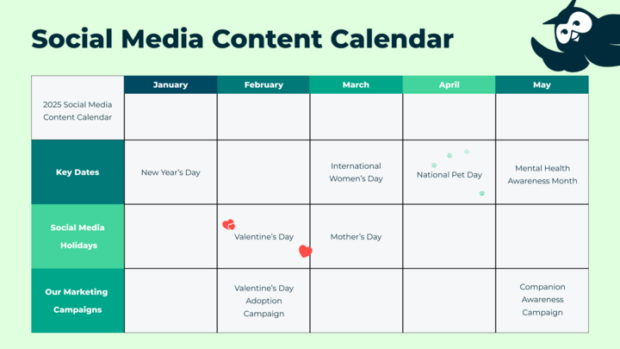
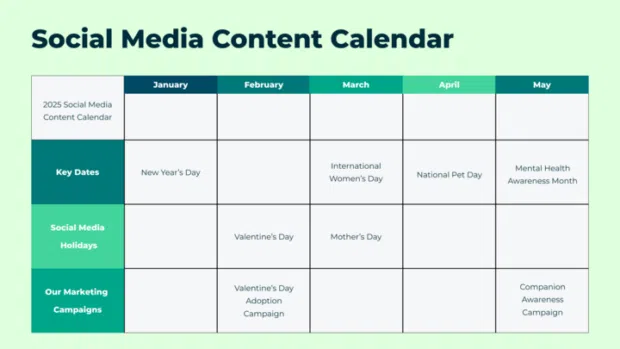
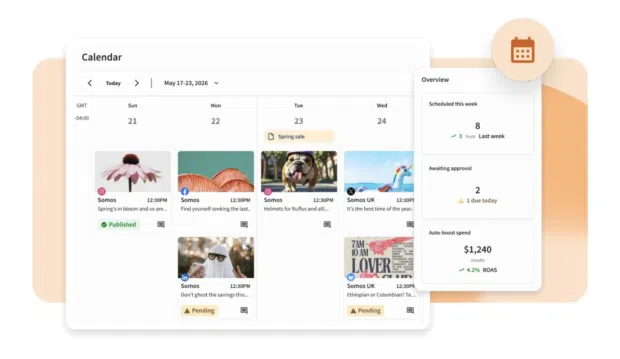
At its core, a social media calendar is a strategic, forward-looking roadmap of all upcoming content, meticulously organized by publish date, time, and network. It captures every granular detail required to bring a post to life: precise copywriting, hashtags, visual assets (images and videos), accessibility text (alt text), tracking links, and platform-specific formatting features.
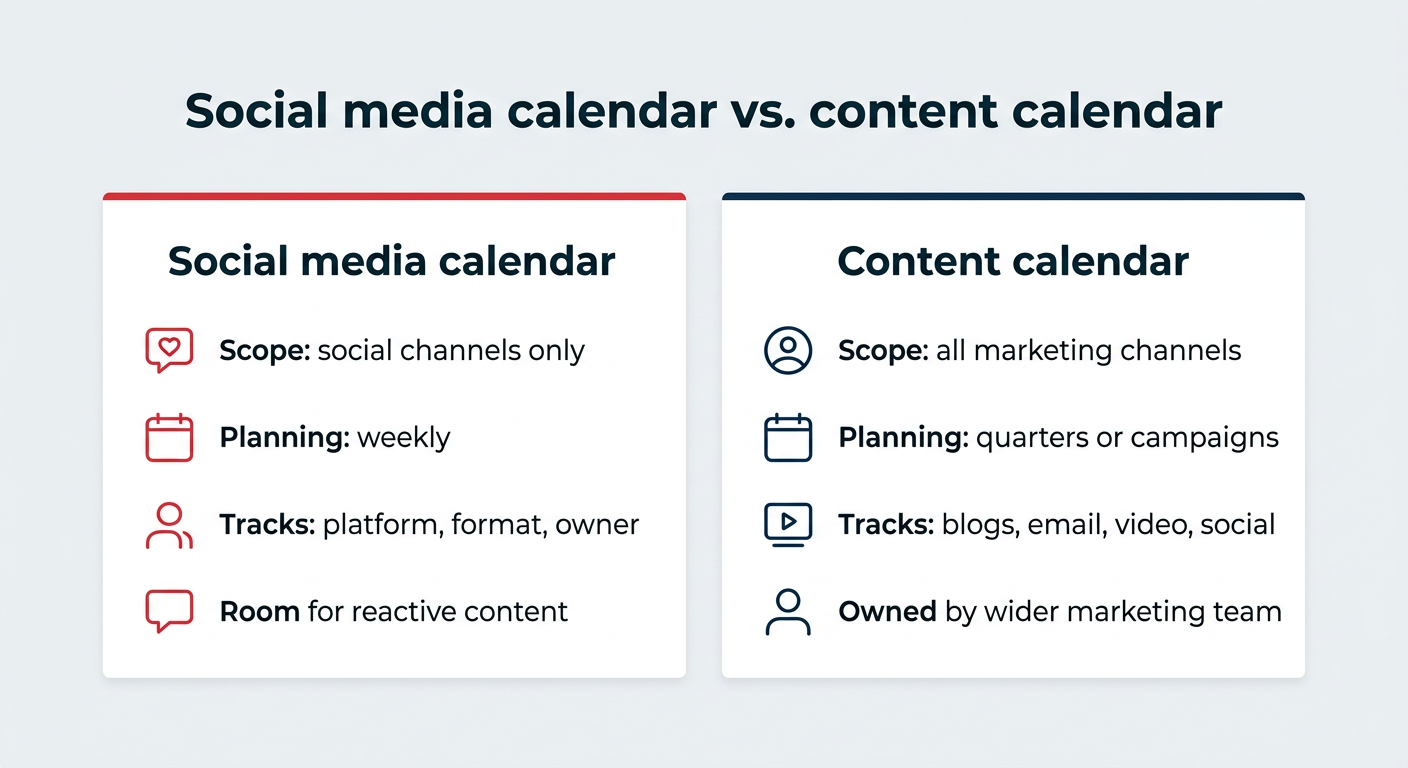
To fully understand its utility, industry professionals often distinguish between a broad content calendar and a focused social media calendar:
The Content Calendar: Maps marketing initiatives across every corporate channel, including long-form blog posts, email marketing sequences, landing pages, paid campaigns, and video assets. Owned by the broader marketing department, it operates on extended timelines, such as quarters or major product launch cycles.
The Social Media Calendar: Zooms in tightly on social channels. It tracks platform-specific publishing schedules, media formats, and the exact ownership chain from the initial draft to final compliance approval and live publication. Because social media moves at breakneck speed, this calendar must balance rigorous structure with the agility to absorb reactive, trend-driven content.
The Anatomy of an Enterprise-Grade Calendar
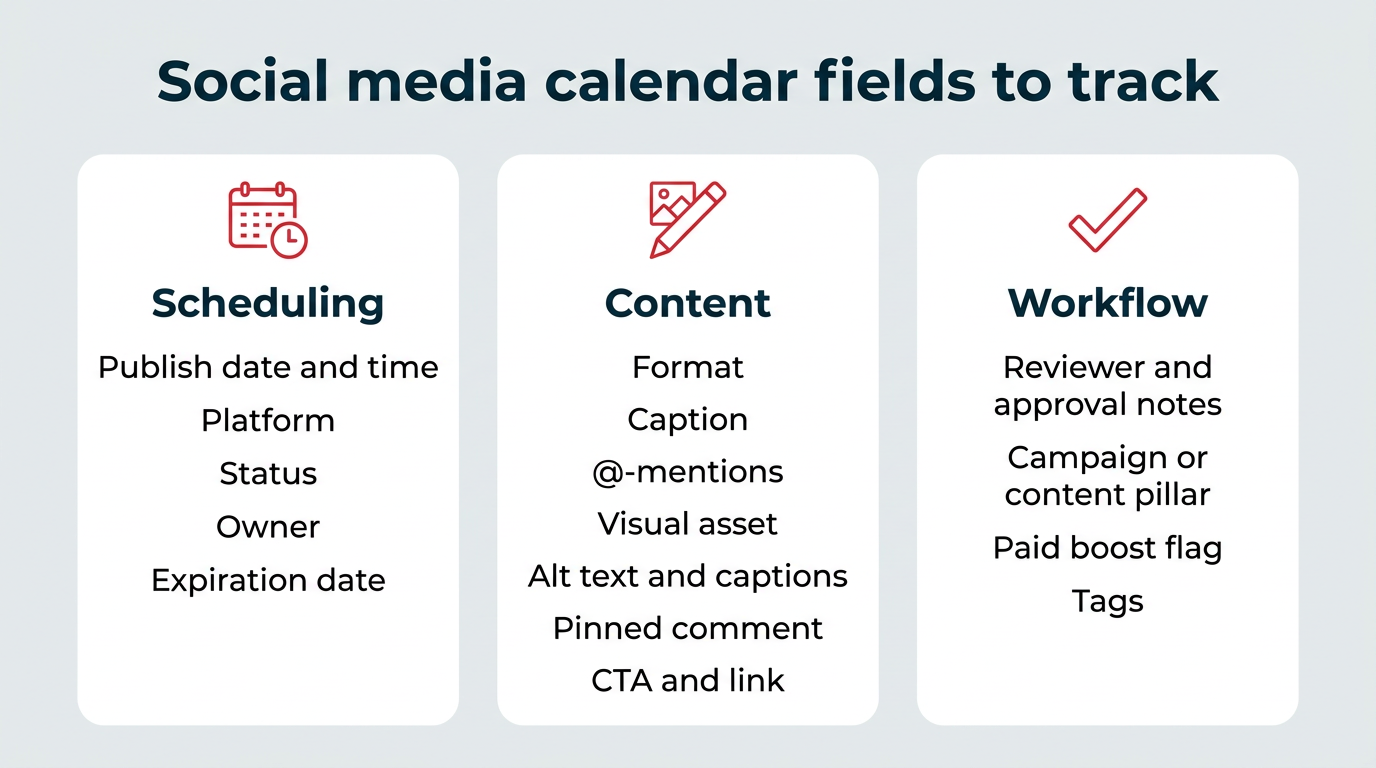
While a solo creator might thrive using a basic spreadsheet, enterprise-level operations demand a structured approach that tracks every post across three core pillars:
Scheduling Mechanics: Publish date, publishing time, target platform, active status, content owner, and expiration dates. This ensures predictable cadence and clear accountability.
Content Assets: Media format, caption text, @-mentions, visual files, alt-text descriptions, pinned comments, calls to action (CTAs), and destination links. This guarantees completeness and accessibility.
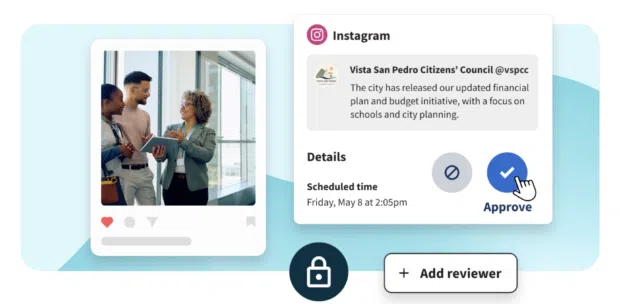
Workflow and Governance: Reviewer notes, approval timestamps, campaign tags, content pillars, and paid-boost flags. This makes internal sign-offs traceable and post-campaign reporting seamless.
Chronology: The Evolution of Social Planning and the Seven-Step Framework
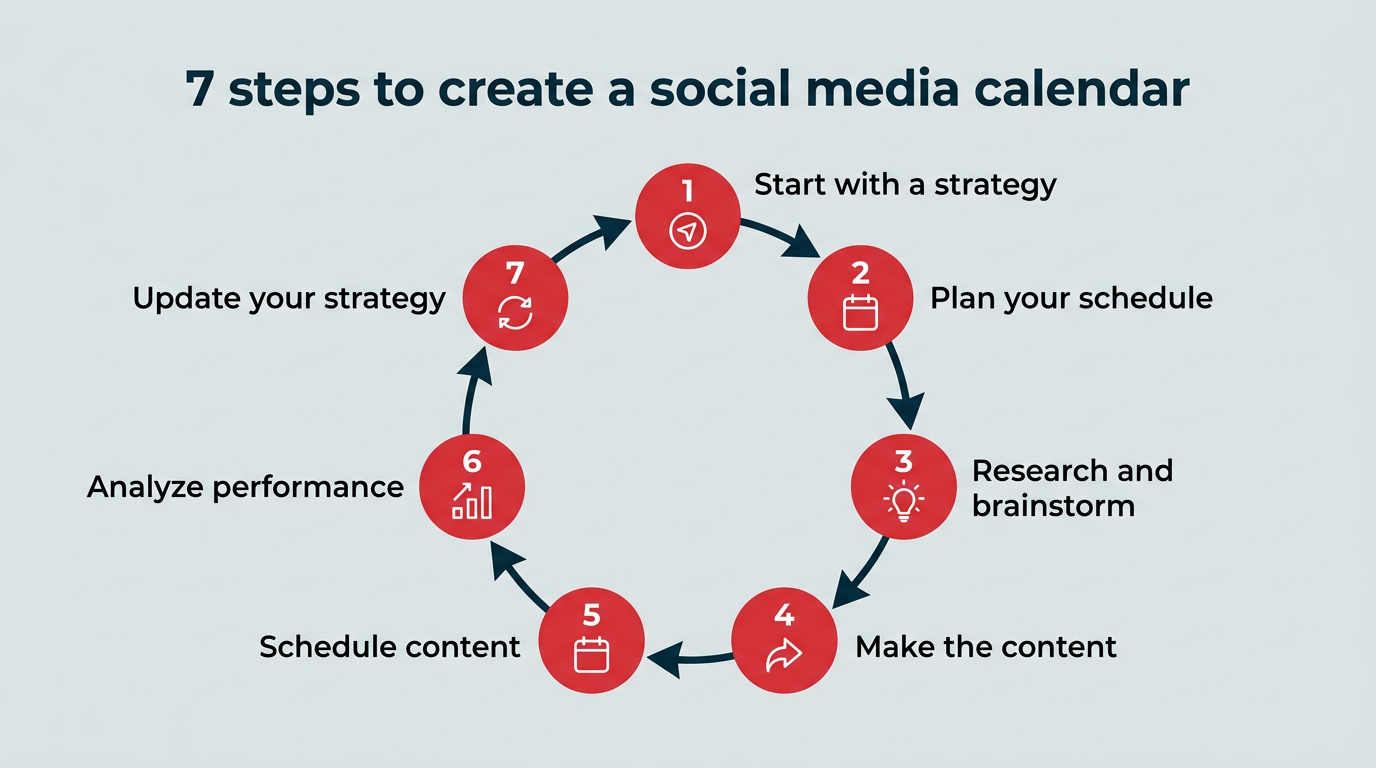
Building an effective social media calendar is an iterative cycle rather than a one-time setup. Over six years of scaling social operations at Hootsuite—engaging a community of over 9 million followers—our team has refined a proven, seven-step methodology to take content from conception to impact.
Step 1: Establish a Foundation with a Robust Social Strategy
Your calendar is only as powerful as the strategy driving it. Before brainstorming creative hooks, teams must pull historical analytics, define core content pillars, and analyze past performance. Your strategy must dictate how you show up on each network, honoring the unique culture and user expectations of platforms ranging from LinkedIn to TikTok.
Step 2: Design Your Publishing Cadence
Translate long-term business goals into a concrete scheduling rhythm. While some organizations plan monthly, Hootsuite operates on a agile weekly cadence, typically locking in content schedules every Friday. This weekly rhythm provides enough structural stability to orchestrate major multi-channel campaigns while preserving the flexibility to pivot when unexpected industry trends emerge.
Step 3: Research, Brainstorm, and Listen
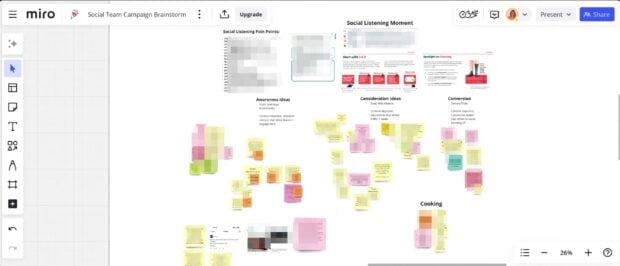
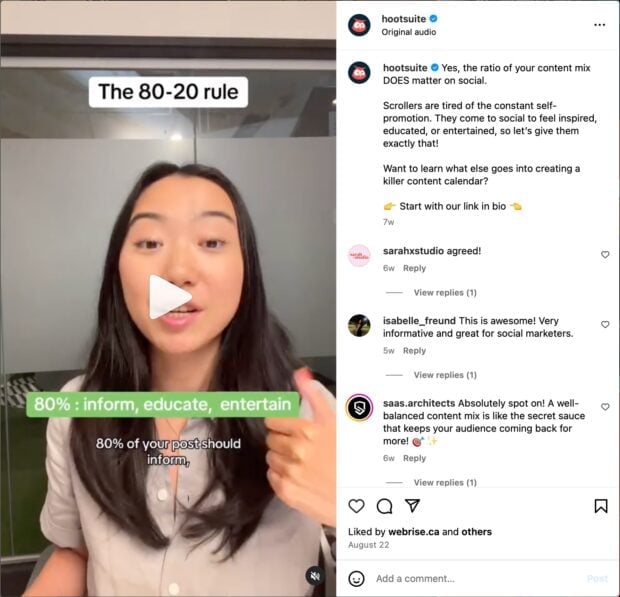
Brainstorming should never occur in a vacuum. Modern teams utilize collaborative visual whiteboards (such as Miro) alongside advanced social listening tools to tap directly into consumer language. For instance, a viral Instagram Reel we produced breaking down the "80/20 rule" (80% educational content, 20% promotional) was born entirely from social listening data, which revealed a segment of our audience unfamiliar with the concept.
Step 4: Production and Asset Creation
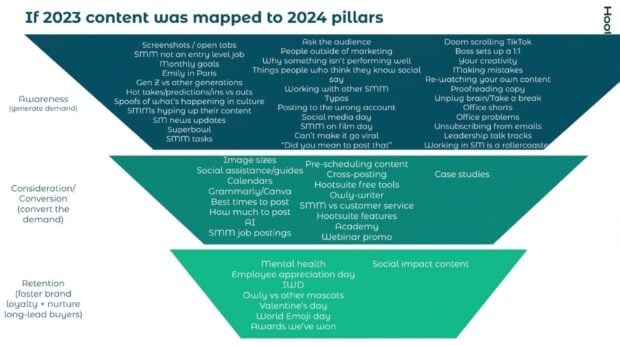
With ideas validated against your content pillars—awareness, consideration, and retention—production begins. Whether filming short-form video in third-party editors like CapCut or designing static carousels, cross-departmental alignment is crucial. Contrary to past myths, internal experiments confirm that platforms like Instagram do not penalize Reels edited in external tools, freeing creators to use their preferred production stack.
Step 5: Scheduling and Automated Deployment
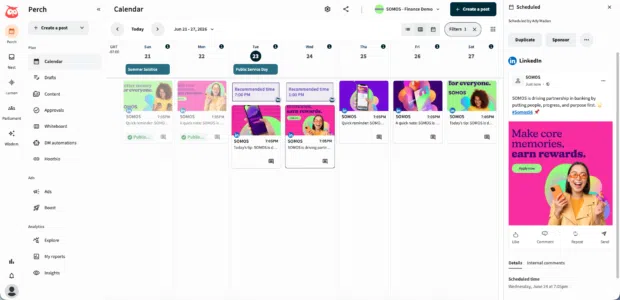
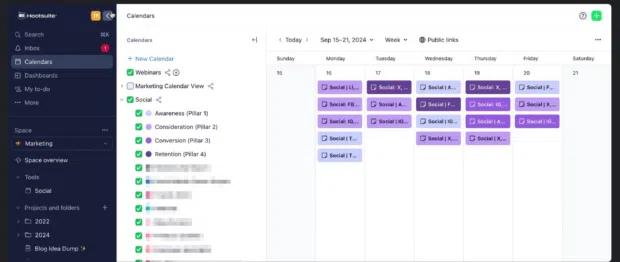
Loading finalized posts into a centralized publishing tool ensures content goes live without manual intervention. Utilizing color-coding systems within project management boards (such as Wrike) allows teams to visually audit their upcoming content mix, ensuring a healthy balance across all awareness and conversion pillars before pushing assets into an all-in-one publishing dashboard like Perch by Hootsuite.
Step 6: Rigorous Performance Analysis
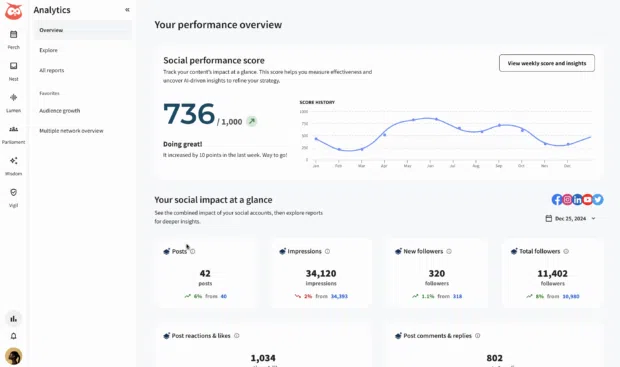
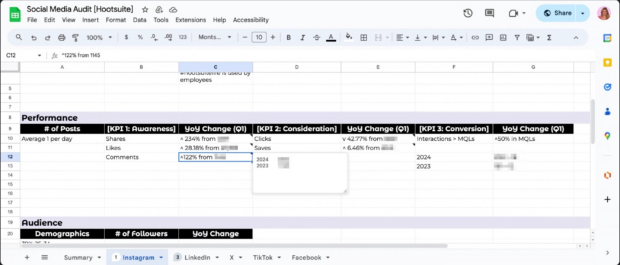
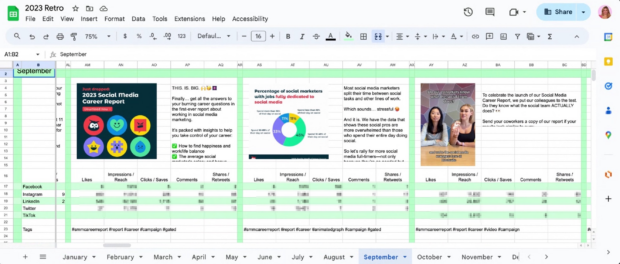
A calendar naturally doubles as a historical archive. By tracking metrics like engagement rate, click-through rates, reach, and conversions, teams can diagnose what works. Tagging posts by custom labels and content pillars allows marketers to discover objective truths—such as realizing an audience prefers educational video explainers over meme-style content on professional networks like LinkedIn.
Step 7: Continuous Strategy Refinement
An annual review or monthly audit closes the loop. Sorting historical posts into low-, mid-, and high-performing tiers reveals shifts in audience preferences. For instance, detailed historical audits at Hootsuite demonstrated that animated infographics consistently outperformed standard animated product demos, directly informing subsequent quarters’ planning.
Supporting Data: Platform Benchmarks and Best Practices
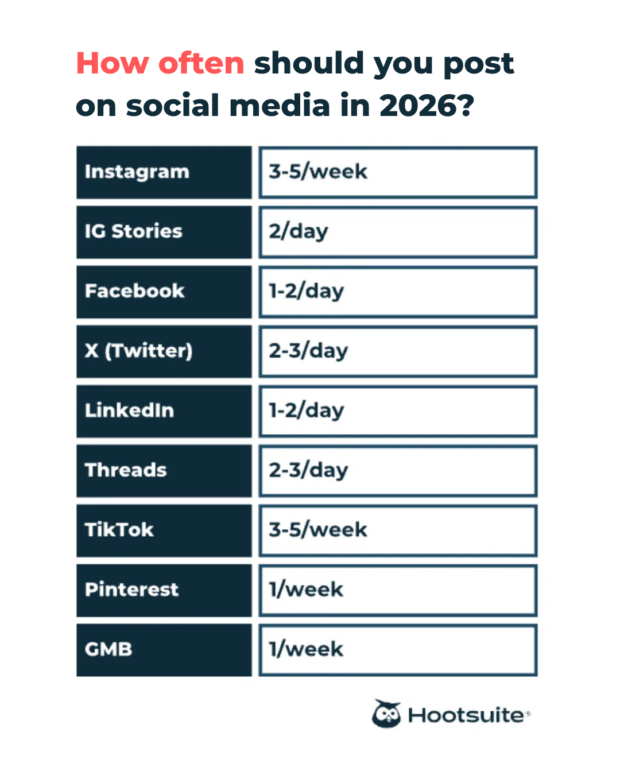
Knowing when and how often to post can dramatically amplify organic reach. Based on Hootsuite’s extensive empirical data analyzing millions of global posts, ideal posting frequencies and optimal engagement windows vary significantly by network:
Note on Frequency: Across professional and traditional networks like Facebook, Instagram, LinkedIn, and X, algorithmic engagement typically peaks at roughly two posts per week, proving that daily saturation is unnecessary. TikTok remains the primary outlier, where high-volume publishing correlates directly with heightened algorithmic distribution.
Official Responses and Industry Insights
Maintaining sanity across complex, multi-channel ecosystems requires expert leadership. Trish Riswick, Social Marketing Team Lead at Hootsuite, emphasizes the philosophical approach required for modern brand stewardship:
"At Hootsuite, we’re not making content for the sake of making content. We’re making content that aligns with our strategy, but also has fluidity with different formats… Social media’s main purpose is as an awareness channel. Yes, we use it to bring in conversions, but our larger goal is always making sure we’re spreading awareness of the company. We do that by being a community for social media managers first, and presenting our tool as a solution second."
Furthermore, Eileen Kwok, former Social Strategist at Hootsuite, notes the psychological resilience required for long-term social success:
"Don’t be discouraged if your social media isn’t bringing in leads right away. That comes from potentially years of nurturing your audience."
Implications: Tools, Technology, and the Future of Work
The tooling ecosystem supporting social media calendars has matured drastically. Organizations today can choose from a specialized suite of software tailored to specific operational scales:
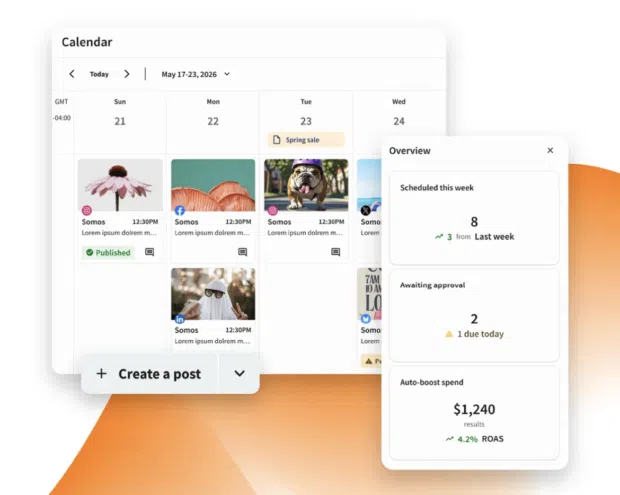
Perch by Hootsuite: The premier all-in-one hub for enterprise teams, combining a multi-network calendar, customized approval workflows, advanced analytics, and social listening in a single unified operating system.
Google Sheets & Notion: Exceptional, highly customizable entry points for solo creators and lean teams prioritizing absolute flexibility over native publishing.
Wrike & Asana: Powerful project management solutions ideal for cross-departmental marketing teams that require deep task dependencies before handing finished content off to publishing software.
Miro & CapCut: Essential creative aids for remote brainstorming, campaign mind-mapping, and rapid short-form video production.
Best Practices for Sustaining Long-Term Calendar Hygiene
Building a calendar is merely the starting line; maintaining its integrity separates elite organizations from those that regress into reactive chaos. Teams are advised to follow these core operational habits:
Establish Single Sources of Truth: Never allow disparate teams to operate out of disconnected local files. Centralize all assets and scheduling updates within a unified system.
Build Safety Buffers: Maintain a reserve of evergreen content that can be quickly deployed if a scheduled campaign hits a roadblock or requires legal re-evaluation.
Commit to Weekly Reviews: Dedicate time every week to audit upcoming obligations, tag campaigns accurately, and verify that asset delivery dates are respected by design and copywriting teams.
Ultimately, a well-maintained social media calendar is much more than a grid of dates and deadlines—it is the operational heartbeat of modern digital marketing. By combining robust tools, disciplined workflows, and data-backed timing strategies, businesses can step off the treadmill of constant reaction and build sustainable, high-impact communities that endure.

 By Nana Muazin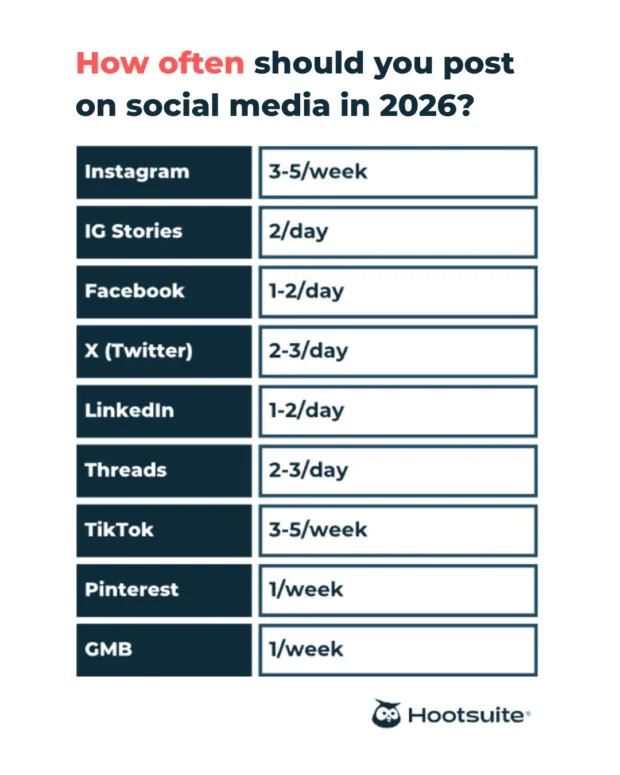




 Nila Kartika Wati
  Nana
Nana  Raul Delapena Setiawan