
 By Sagoh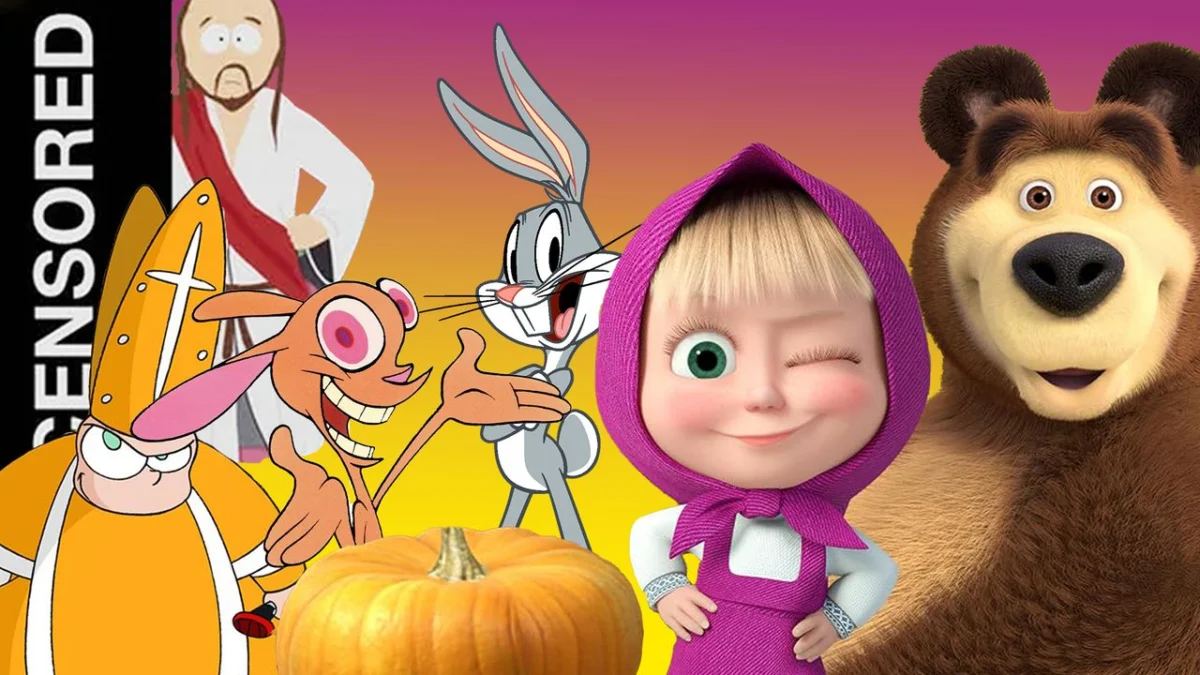
Animation has long been viewed as the medium of the imagination—a playground for visual storytelling that knows no bounds. However, throughout the history of the industry, that creative freedom has frequently collided with the rigid walls of cultural standards, political sensitivities, and moral outrage. From the early days of theatrical shorts to the modern era of global streaming, cartoons have consistently served as a lightning rod for societal friction.
The recent discourse surrounding the Russian-produced series Masha and the Bear and its potential banning in the United Kingdom is merely the latest chapter in a long-standing narrative. Whether intended as biting satire or criticized for unintentional messaging, animation occupies a unique position in our cultural landscape: it is simultaneously viewed as "just for kids" and as a powerful vehicle for ideology.
A Chronology of Contention: When Animation Sparks Outcry
The history of controversial animation is a tapestry of shifting norms. Some shows were designed to provoke, utilizing the medium’s inherent absurdity to critique authority. Others, viewed through a modern lens, reveal the uncomfortable prejudices of their time.
1. The "Censored Eleven" (1931–1944)
Warner Bros. holds a complicated legacy. While the studio defined the Golden Age of animation, it also produced works that are now rightfully relegated to the archives of shame. In 1968, United Artists pulled 11 Looney Tunes and Merrie Melodies shorts from syndication. Known as the "Censored Eleven," these films were removed due to their egregious, harmful, and racist caricatures of African Americans. Titles such as Coal Black and de Sebben Dwarfs and Jungle Jitters serve as stark reminders of how entertainment was once used to normalize dehumanizing stereotypes.
2. Bugs Bunny Nips the Nips (1944)
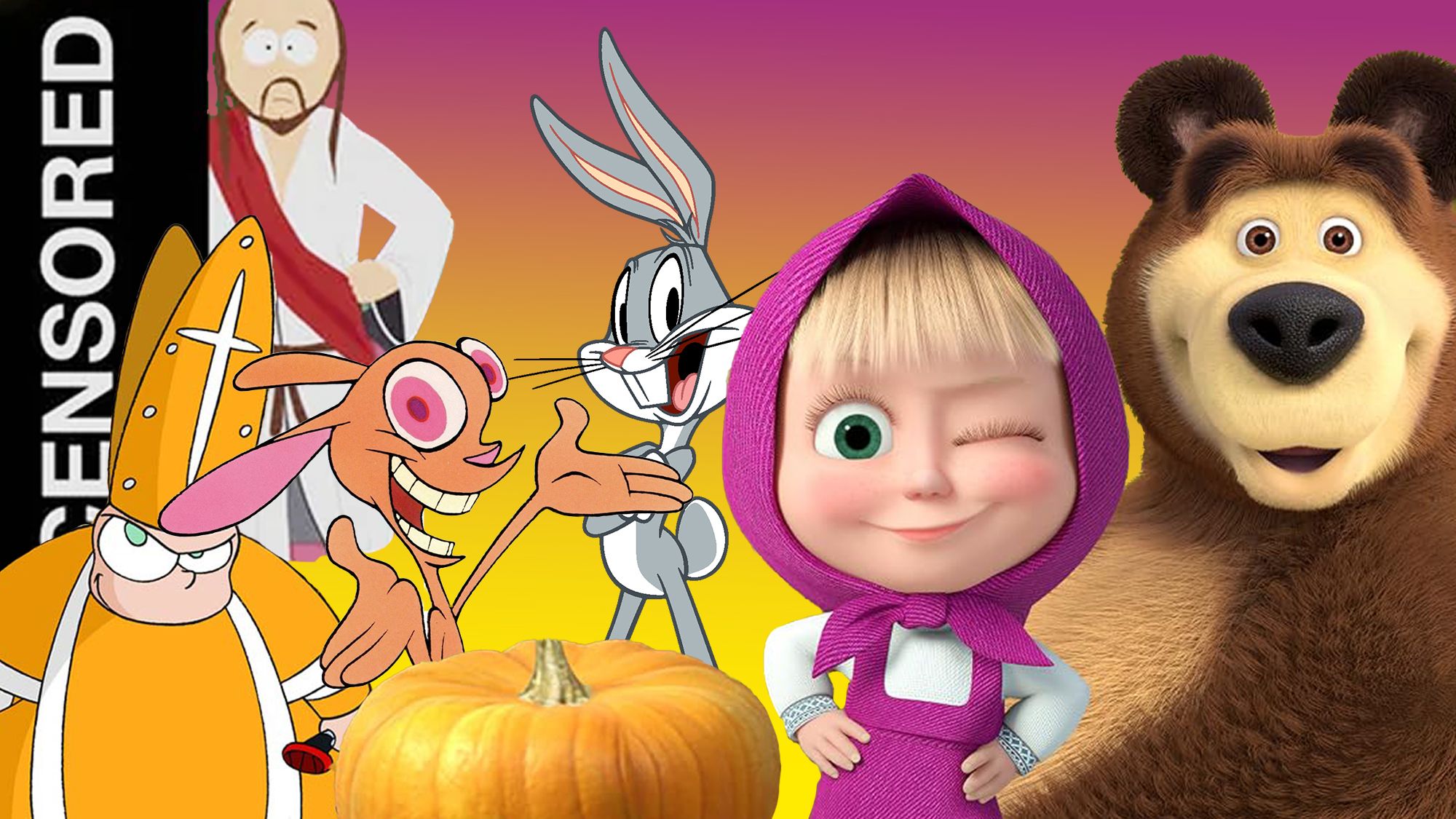
Even the face of a studio can be problematic. During the height of World War II, the lines between patriotic propaganda and xenophobia became dangerously blurred. Bugs Bunny Nips the Nips featured the iconic rabbit engaging in derogatory, anti-Japanese tropes. While the studio eventually withdrew the short from circulation, it remains a quintessential example of how wartime hysteria can infect even the most lighthearted of creative outputs.
3. The Flintstones: A Smoking Habit (1960s)
Before animation was strictly categorized into "children’s programming," The Flintstones debuted in prime-time slots, mirroring the adult-oriented structure of sitcoms like The Honeymooners. Its most controversial legacy, however, was commercial rather than thematic. The show was initially sponsored by the R.J. Reynolds Tobacco Company. Iconic characters Fred and Barney were featured in commercials and even within the show’s narrative promoting Winston cigarettes. As the show’s popularity with children became undeniable, the tobacco sponsorship was quietly dropped in 1962.
4. The Ren & Stimpy Show (1992)
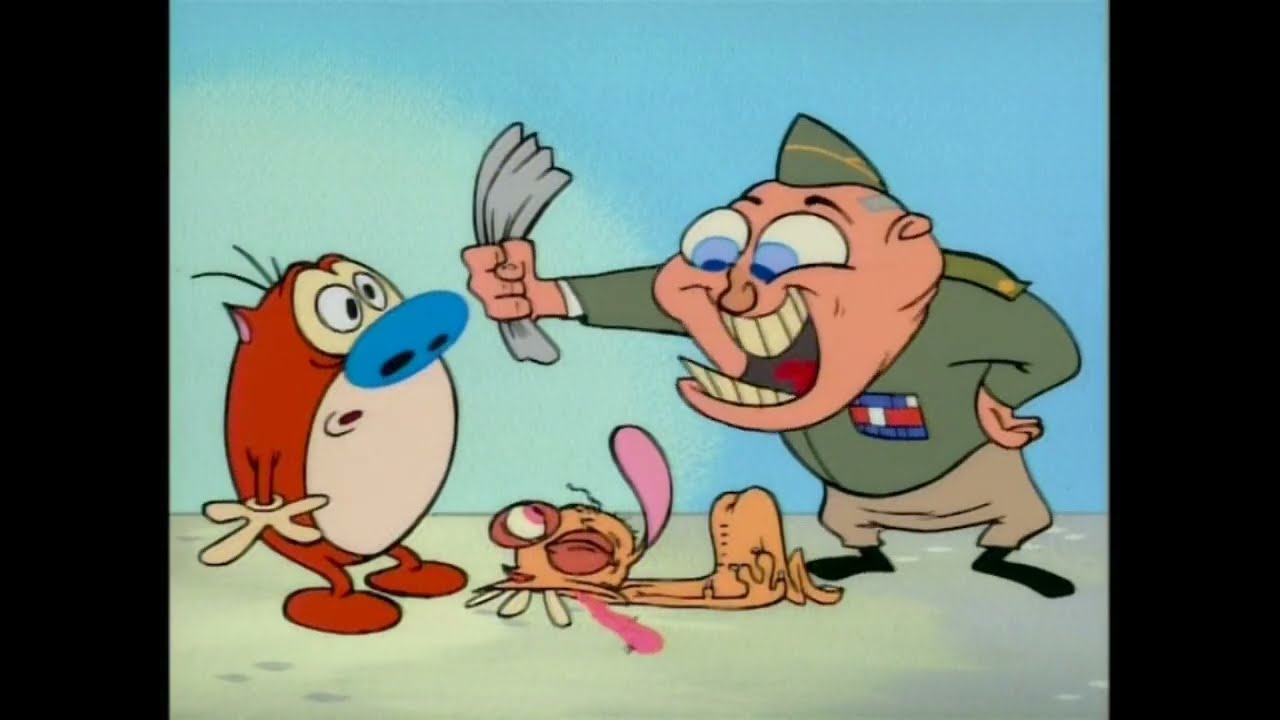
John Kricfalusi’s The Ren & Stimpy Show forever altered the DNA of 1990s television with its grotesque, "gross-out" aesthetic. However, Nickelodeon executives were in a constant state of panic regarding its content. The breaking point occurred with the episode Man’s Best Friend, which featured an uncomfortably violent scene involving an oar. The network shelved the episode and fired Kricfalusi, marking a definitive moment where network standards and creative "edge" collided.
5. Popetown (2005)
Produced for the BBC, this 10-part satire was marketed as "Father Ted meets South Park." It featured an infantile Pope and a cast of corrupt religious figures. The resulting backlash was immediate, with Catholic groups expressing outrage over the show’s depiction of the Vatican. The BBC eventually declined to broadcast it, and even when it was sold to other international networks, its airtime was frequently sabotaged by further protests.
6. South Park: The Muhammad Controversy (2010)
Trey Parker and Matt Stone have built an empire on the philosophy that "nothing is sacred." However, their 2010 double-parter, Episodes 200 and 201, brought them into the crosshairs of global tension. The plot involved Tom Cruise attempting to harvest the likeness of the Islamic prophet Muhammad. Following direct threats from a radical group, Comedy Central heavily censored the episodes, blanking out the image of the prophet and bleeping out any mention of his name, effectively silencing the satire through fear.
7. Death Note (2006–2007)
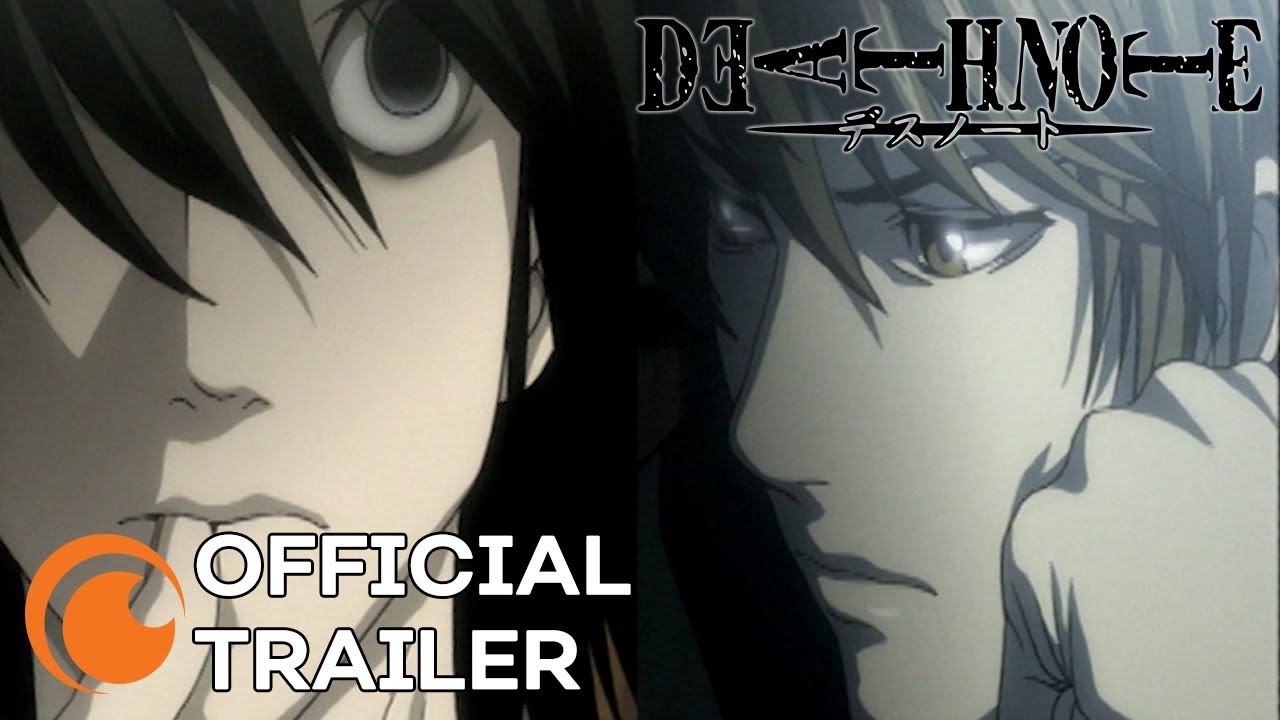
The Japanese anime series Death Note presents a chilling exploration of morality, following a student who discovers a notebook that kills anyone whose name is written in it. While the show is a critically acclaimed psychological thriller, it sparked a global moral panic. In China, students were found creating their own "death notes" featuring the names of teachers and peers, leading to a nationwide ban in 2007. In 2021, Russian courts ruled that the show promoted "cruelty and violence," citing the negative impact on the mental health of youth.
The Case of Masha and the Bear: Soft Power or Simple Storytelling?
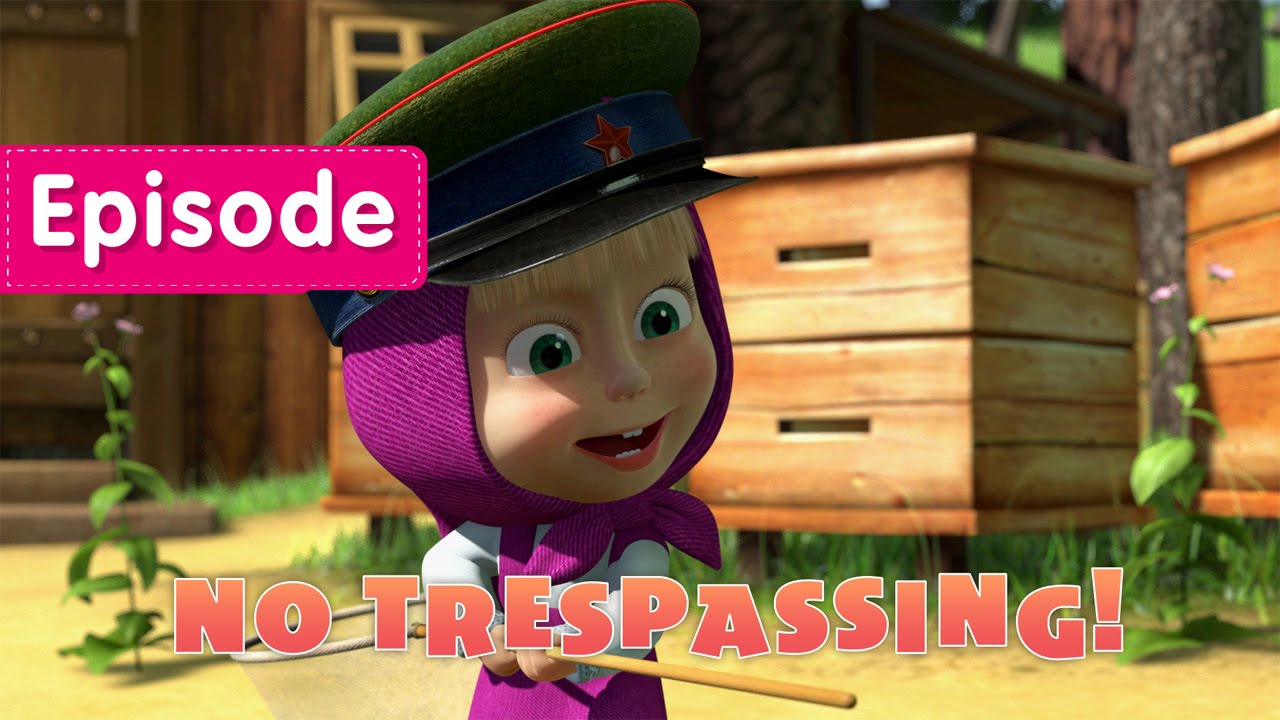
The most recent controversy, centering on the preschool series Masha and the Bear, highlights the intersection of geopolitics and children’s media. In the UK, a group of 50 MPs recently called for the show to be banned, citing concerns that it serves as a tool for Russian "soft power" and propaganda.
The Arguments Against
Critics, including Ukraine’s Center for Countering Disinformation (CCD), argue that the show is a gateway for cultural indoctrination. They point to the symbolism of the Bear—a classic Russian icon—who is portrayed as a kind, protective, and intelligent figure, perhaps intended to sanitize Russia’s international image. Furthermore, observers have noted instances of Masha wearing attire that mimics Soviet-era military aesthetics. Liberal Democrat MP Tom Gordon described the show as a form of the "militarisation of children."
The Defense
Animaccord, the animation company behind the series, maintains that the show is an innocent, apolitical comedy based on Russian folklore. From the studio’s perspective, the show’s massive global success—reaching hundreds of millions of households—is due to its universal themes of friendship, mischief, and the relationship between an impetuous child and a patient mentor.
Implications: Why Do We Ban Cartoons?
The tendency to ban or censor animation stems from a deeply ingrained parental and societal instinct: the belief that cartoons have a profound, unmediated impact on the developing mind.
The "Copycat" Fear
The Death Note and Peppa Pig controversies (the latter of which saw an episode banned in Australia for suggesting children should play with spiders) illustrate the fear of "copycat" behavior. Regulators often worry that children lack the cognitive maturity to distinguish between a fictional narrative and real-world safety.
The Weaponization of Culture
As seen with Masha and the Bear and the South Park episodes, animation is increasingly recognized as a potent cultural weapon. In an age of digital globalization, characters become symbols. When those symbols are perceived as being aligned with a hostile state or a controversial ideology, the cartoon itself becomes a target for diplomatic and social censure.
The Changing Standards of Taste
What is considered "offensive" is fluid. The Censored Eleven and the Looney Tunes shorts were once considered standard family entertainment. Today, they are viewed as historical artifacts of institutionalized racism. This evolution suggests that the "controversy" of a cartoon is often a reflection of the audience’s own changing moral compass rather than the content of the work itself.
Conclusion: The Responsibility of the Animator
As the industry moves forward, creators face a complex challenge. Animation is no longer a localized medium; a show produced in Moscow, Tokyo, or Burbank can be viewed globally in an instant. This reach brings with it an unprecedented level of scrutiny.
If you are an aspiring animator looking to create a "provocative masterpiece," the history of these controversies provides a clear lesson: your work will be judged not just by its aesthetic quality, but by the cultural context into which it is released. While artists should never shy away from challenging norms, the path of the most controversial cartoons serves as a reminder that the line between satire and harm is often defined by the eyes of the beholder.
Ultimately, whether a show is banned or celebrated, the intensity of these debates proves one thing: animation remains one of the most vital, influential, and powerful forms of communication in the modern world. It is not "just a cartoon." It is a conversation—and sometimes, a battleground.
 Raul Delapena Setiawan
  Ammar Sabilarrohman
  Muslim