
 By Azzam Bilal Chamdy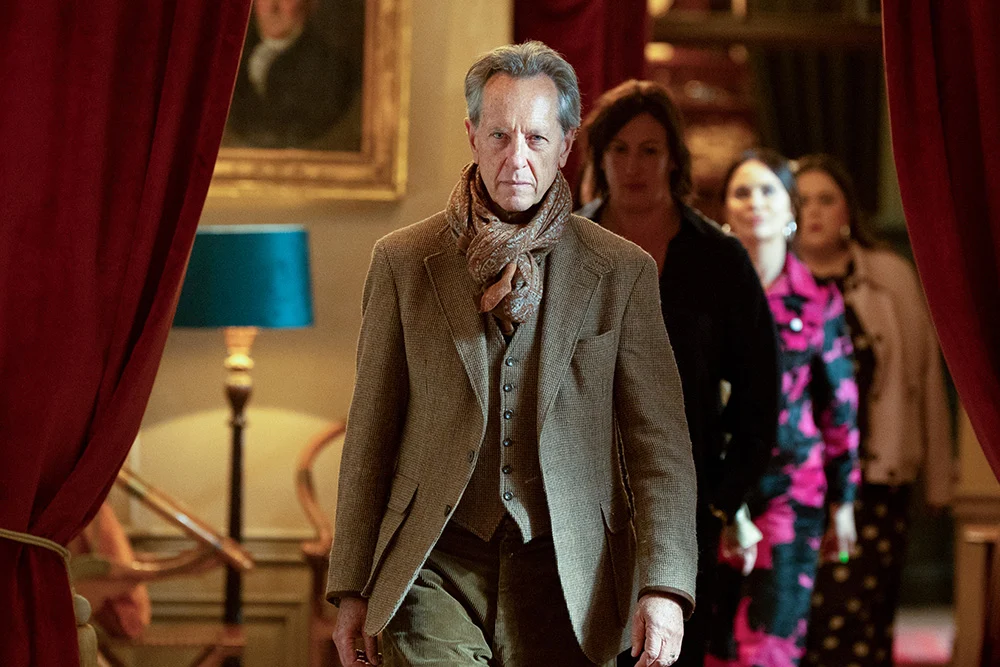
The psychological warfare has returned to the Scottish Highlands, and if the overnight ratings are any indication, the British public has never been more enthralled by the art of the lie. The second season of the BBC’s The Celebrity Traitors launched on Thursday night with a seismic impact, obliterating previous viewership records and cementing the franchise’s status as the most dominant force in contemporary reality television.
According to preliminary overnight data, the premiere drew an astounding 8.8 million viewers, with the audience size surging to a peak of 9 million during the high-stakes debut. In a landscape of fragmented media consumption, the program achieved the rare feat of capturing over 50% of the total television audience share during its broadcast window, easily positioning it as the most-watched program of the evening across all networks.
A Record-Breaking Premiere: By the Numbers
The sheer scale of this launch cannot be overstated. When compared to the inaugural celebrity season of last year and the most recent civilian iteration, the figures represent a staggering increase of approximately 3 million viewers. This upward trajectory suggests that the "Traitors effect"—a cocktail of social deduction, paranoia, and grand production design—has permeated the cultural zeitgeist more deeply than ever before.
Industry analysts expect these figures to climb significantly in the coming days as catch-up viewing via BBC iPlayer is factored into the final Consolidated ratings. With the digital-first habits of younger demographics, the "multi-screen" consumption of the show is expected to push the total reach of the premiere well into the double digits.
The BBC has confirmed that the momentum is not merely a fluke of scheduling but a testament to the show’s unique format. By pivoting from civilian contestants to high-profile public figures, the network has successfully raised the stakes, transforming a game of social strategy into a high-octane spectacle of celebrity performance.
The Chronology of Chaos: How the Season Unfolded
The premiere episode, which aired Thursday at 8 p.m. BST, wasted no time in establishing its high-stakes tone. Host Claudia Winkleman returned to the iconic Ardross Castle, shrouded in fog and mystery, to introduce a cast that reads like a who’s who of British stage, screen, and cultural royalty.
The lineup for this season includes Academy Award nominee Richard E. Grant, The Last of Us breakout star Bella Ramsey, Industry star Myha’la, television personality Maya Jama, comedian James Acaster, model and icon Jerry Hall, singer-songwriter James Blunt, and acclaimed actor Michael Sheen.
The structure of the premiere followed the established Traitors blueprint, yet felt reinvigorated by the caliber of the cast. The initial "round table" dynamics were electric, as the contestants grappled with the absurdity of their situation. Richard E. Grant, in particular, has emerged as an early standout. His infectious, almost frantic enthusiasm for the mechanics of the game—coupled with his inherent gravitas—has already injected a level of unpredictability into the castle. Reports from the set suggest that Grant’s presence has been a catalyst for "immediate chaos," as he navigates the delicate balance between playing the game and maintaining his public persona.
The program is slated for a bi-weekly release schedule, airing every Thursday and Friday at 8 p.m. BST on BBC One and iPlayer. With the second episode dropping tonight, the narrative arc of the season is expected to accelerate, as the "Traitors" begin their clandestine campaign to eliminate the "Faithful" from the group.
The Strategy Behind the Success: Why It Works
The success of The Celebrity Traitors can be attributed to the clever subversion of the celebrity reality format. Unlike traditional shows where stars are incentivized to maintain their public image, The Traitors forces them to abandon their veneers.
"It is a fascinating psychological experiment," says media analyst Sarah Jenkins. "We are watching people who are professionally trained in deception—actors and entertainers—compete against one another. When you put a Method actor like Michael Sheen or a seasoned performer like Jerry Hall into a room where lying is the primary objective, you create a television experience that feels less like a game show and more like a high-stakes drama."
The production values remain a pillar of the show’s appeal. By maintaining the atmospheric, moody aesthetic of the Scottish Highlands, the BBC has created a "prestige" version of reality television that appeals to viewers who might otherwise shun the genre. The contrast between the luxurious castle setting and the gritty, ruthless nature of the gameplay serves to heighten the tension.
Official Responses and Network Strategy
The BBC has expressed extreme satisfaction with the premiere’s performance. In a statement released shortly after the ratings were finalized, a spokesperson for the network noted that the success of The Celebrity Traitors validates the BBC’s commitment to "event television."
"We wanted to create a space where the audience feels they are part of the investigation," the spokesperson stated. "The massive engagement we’ve seen, not just on broadcast but across social media platforms during the premiere, shows that the British public is hungry for content that encourages communal viewing and real-time interaction."
While the network remains tight-lipped regarding specific plot twists, they confirmed that the production team is already deep into the development of future iterations. With the fifth season of the civilian Traitors already greenlit for early next year, the BBC is positioning the franchise as the backbone of its winter and spring programming strategy.
Global Implications: The Export of Deception
The U.K. iteration of The Traitors is not merely a domestic success; it is a global export powerhouse. The format has seen remarkable success in the United States, where the Peacock-produced celebrity version, hosted by the inimitable Alan Cumming, has garnered critical acclaim and a massive following.
The U.S. version’s success has mirrored the U.K.’s trajectory, blending reality stars, professional gamers, and actors into a crucible of social deduction. The launch of the U.S. civilian spinoff, New Blood, which debuted in September, further demonstrates the resilience of the format.
Internationally, the Traitors brand has become a "gold standard" for broadcasters looking to combat the decline of linear television. The ability of the show to drive "appointment viewing"—where audiences tune in at a specific time to avoid spoilers—is a rare commodity in the age of on-demand streaming. By fostering a culture of online speculation, fan theories, and intense social media discourse, the show has created a sticky, multi-generational audience.
Looking Ahead: The Season of Betrayal
As viewers tune in for the second episode tonight, the stakes will only increase. The initial camaraderie of the cast is expected to dissolve as the first "banishment" looms. In The Traitors, the most dangerous enemy is often the one you trust the most, and with a cast of professional storytellers, the audience is in for a masterclass in manipulation.
The critical question for the remainder of the season is whether the celebrity contestants can maintain their composure under the immense pressure of the game. For fans, the joy lies in the "cracks"—the moment a famous face falters, a lie is exposed, or an alliance is shattered.
The BBC has succeeded in turning the simple concept of a party game into a national obsession. With over 9 million people watching the first night, The Celebrity Traitors has proven that the audience’s appetite for high-stakes, intelligent, and delightfully devious entertainment remains insatiable. As the fog settles over the Scottish Highlands and the Traitors begin their work, one thing is certain: the country will be watching every single move.
 Suro Senen
  Nana
Nana  Evan Lee Salim