
 By Dwi Wanna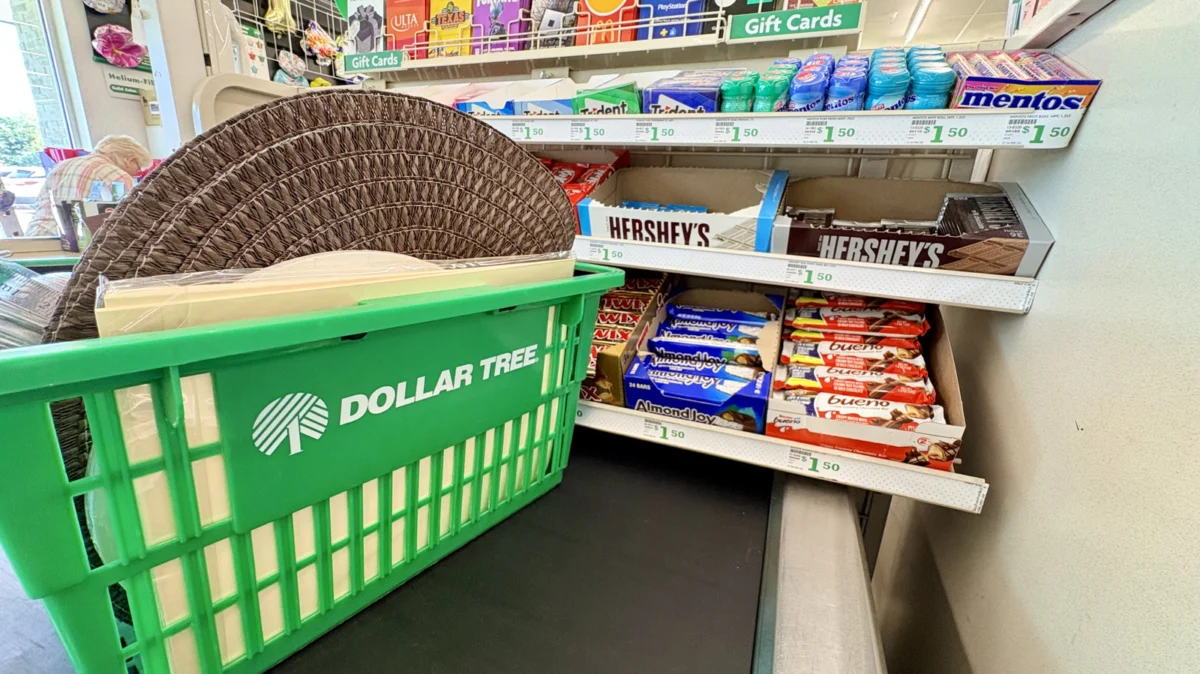
With more than 9,000 stores scattered across the United States, Dollar Tree has long positioned itself as a ubiquitous and convenient destination for quick household purchases and impulse snacks. For millions of American consumers navigating persistent inflation, the appeal of a neighborhood storefront offering immediate access to food items is undeniable. Yet, beneath the veneer of ultimate convenience and deep savings lies a growing retail reality that increasingly frustrates everyday shoppers.
While picking up a handful of ingredients or grabbing last-minute dinner components at a local Dollar Tree might seem like a time-saving hack, a closer examination of the chain’s grocery aisles reveals significant hidden drawbacks. From a deceptive pricing structure and chronic understaffing to frustrating inventory inconsistencies, relying on the discount retailer for your weekly food needs can ultimately cost you more in time, money, and stress.
Main Facts: The Reality of Discount Grocery Retail
The foundational premise of the dollar-store business model—that everything in the store costs a uniform, low price—has undergone a radical transformation in recent years. While consumers once walked into a Dollar Tree expecting a flat $1 price tag on every single item, economic pressures and corporate strategy have reshaped the company’s inventory landscape.
The primary realities facing grocery shoppers at Dollar Tree today include:
- The Illusion of Savings: Due to smaller packaging sizes, consumers frequently pay a higher price per ounce or per serving compared to buying larger quantities at traditional supermarkets or big-box retailers.
- Creeping Price Points: Breaking away from its historical single-price model, Dollar Tree raised prices to $1.25 in 2022, introduced multi-price tiers up to $5 in 2023, and now features select inventory reaching as high as $7.
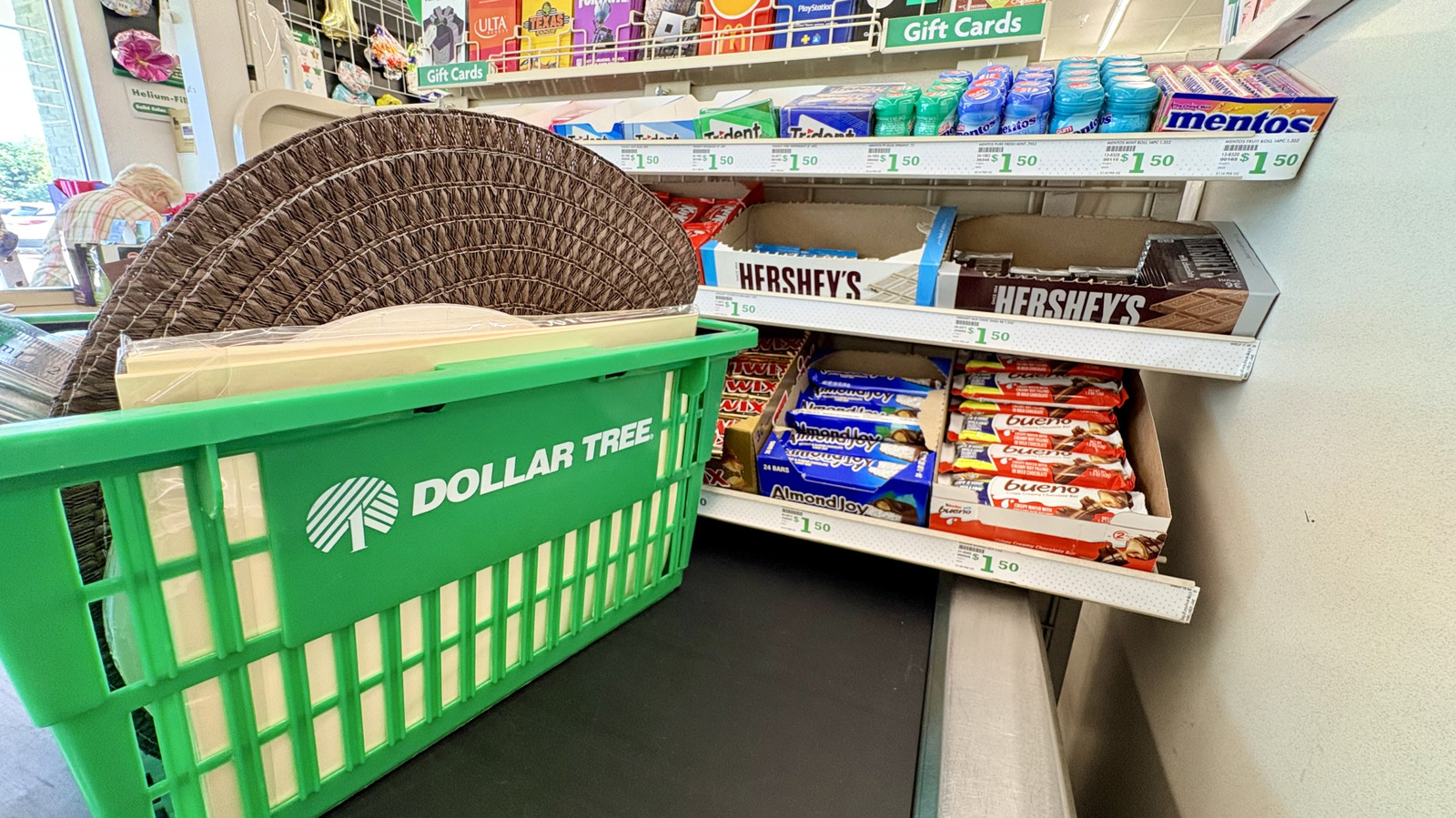
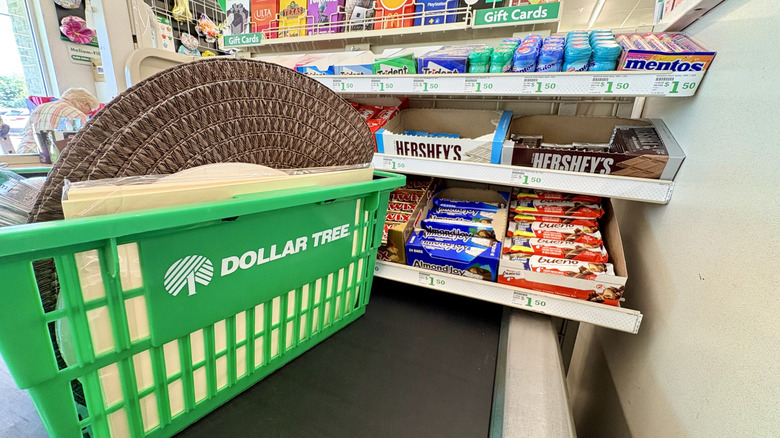
- Severe Operational Bottlenecks: Stores frequently operate on bare-bones, single-cashier shifts, resulting in notoriously slow checkout lines that can grind to a complete halt for unexpected customer requests, such as inflating party balloons.
- Unpredictable Inventory Levels: Lean supply chain strategies mean that popular items sell out quickly and may never return to the shelves of a specific location.
Chronology: How Dollar Tree Shifted From Uniform Pricing to Multi-Price Tiers
Understanding how Dollar Tree’s grocery aisles reached their current state requires looking back at the strategic pivots the company has made over the last several years.
The Uniform Era (Pre-2022)
For decades, Dollar Tree maintained strict adherence to its identity as a true "dollar store." Every item on the shelf—including canned goods, boxed pastas, spices, and impulse candy—retailed for exactly $1. During this era, consumers could easily gauge value, even if package sizes were noticeably smaller than those found at traditional grocers.
The Break from Tradition: The $1.25 Shift (2022)
Faced with mounting supply chain expenses, labor shortages, and inflationary pressures, Dollar Tree made the monumental decision to break its decades-long pricing model. In early 2022, the company rolled out a nationwide price increase, moving its base price point to $1.25. While management argued that this shift allowed them to return essential products to shelves and maintain quality, it marked the psychological end of the true "dollar" shopping experience.
Expansion into Multi-Price Points (2023–Present)
The departure from uniform pricing accelerated rapidly. By 2023, Dollar Tree introduced a multi-price strategy, expanding its product categories to include items priced at $3, $4, and $5. More recently, shoppers have encountered specialty and larger-format items priced as high as $7. This evolution has blurred the lines between traditional discount stores and conventional supermarkets, forcing consumers to rigorously compare unit prices rather than relying on the assumption of automatic savings.
Supporting Data: The Economics of Package Sizing and Labor Realities
To truly evaluate the financial and practical wisdom of buying groceries at Dollar Tree, one must examine the metrics governing packaging, unit pricing, and store operations.
The Unit-Price Trap
The most pervasive misconception in discount grocery shopping is that lower absolute cost equates to better value. Consumer advocates and retail analysts frequently point out that discount chains rely on "shrink-flation" or micro-packaging.
- The Math Problem: If a box of crackers at a traditional grocery store costs $3.50 for 10 ounces (35 cents per ounce), and a smaller version at Dollar Tree costs $1.25 for 3 ounces (41.6 cents per ounce), the consumer is actually paying a premium for the convenience of the smaller package.
- Scaling Up: For multi-serving household staples, ingredients, and snacks, these fractional per-ounce differences accumulate rapidly across a full grocery cart, negating the perceived savings of a discount trip.
Staffing Metrics and Employee Testimony
Operational efficiency at the store level directly impacts the grocery shopping experience. Employee feedback aggregated from platforms like Indeed paints a stark picture of corporate labor models:
- The Skeleton Crew Dynamic: Many locations operate with only a single cashier on duty at any given time, even during peak shopping hours.
- Vulnerability to Rushes: Former and current employees regularly report feeling overwhelmed when sudden customer volume spikes occur, as they are left solely responsible for operating the register, monitoring the sales floor, and handling security.
Inventory Turnover and Supply Chain Realities
Dollar Tree operates on razor-thin profit margins, which dictates a highly conservative inventory strategy. Unlike massive warehouse clubs or traditional supermarket chains that maintain deep backroom stockrooms, discount stores purchase only what they project will sell immediately. Consequently:
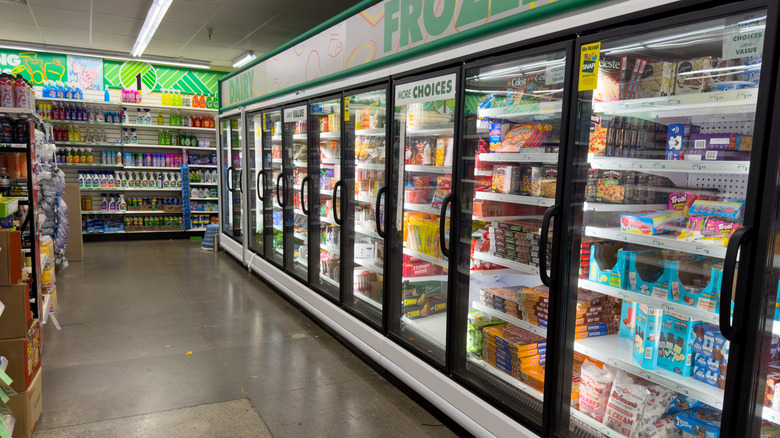
- Instant Depletion: Once a small batch of a popular brand-name food item is purchased off the shelf, the shelf remains empty until the next scheduled delivery.
- Regional Disparities: Because product availability varies wildly by region and individual franchise logistics, a customer cannot rely on finding the same food items during subsequent visits.
Official Responses and Corporate Strategy
Dollar Tree’s corporate leadership has defended its pricing shifts and operational models as necessary adjustments to a volatile economic landscape. In financial reports and earnings calls, executives have emphasized that expanding price points—often referred to internally as the "multi-price" rollout—enables the retailer to offer a broader assortment of consumable goods, frozen foods, and name-brand groceries that would otherwise be economically unviable at a strict $1.25 limit.
Furthermore, corporate representatives have noted that introducing higher-priced items allows them to combat inflationary pressures while preserving the accessibility of everyday essentials. However, retail analysts point out that as Dollar Tree edges closer to the pricing territory of traditional supermarkets and dollar-store competitors like Dollar General and Family Dollar, it faces heightened scrutiny regarding store cleanliness, product freshness, and customer service standards.
Implications for Everyday Consumers
The compounding factors of higher per-ounce costs, chronic understaffing, and volatile inventory present clear implications for household budgeting and shopping habits.
1. The Hidden Cost of Convenience
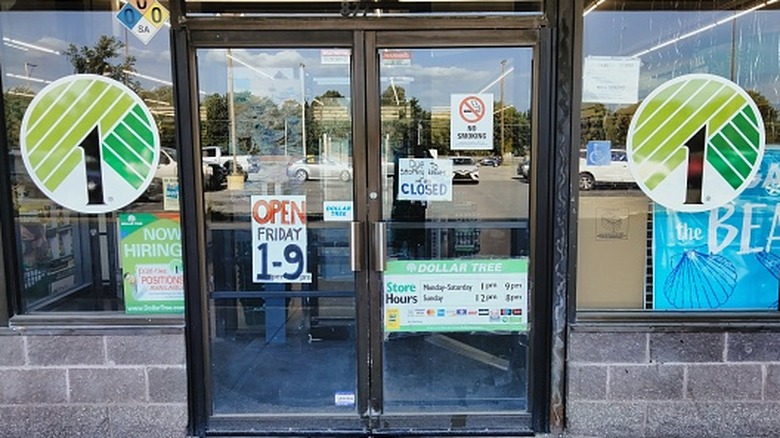
While stopping at a local Dollar Tree to grab a quick snack or a single missing ingredient for dinner saves time in the short term, it often demands sacrifices elsewhere. Long checkout lines—exacerbated by single-cashier policies and unpredictable customer service interruptions like balloon inflation—can quickly erase any time-saving benefits.
2. Necessary Shifts in Shopping Strategy
For budget-conscious consumers, navigating the modern Dollar Tree requires a discerning eye:
- Check the Unit Price: Always calculate the cost per ounce or per pound before tossing food items into your basket. Compare these figures against local grocery store sales and bulk retailers.
- Prioritize Non-Perishables Wisely: While certain seasonal candies, single-serve snacks, or specific baking supplies may offer fair value, relying on the discount chain for foundational weekly groceries is rarely financially optimal.
- Embrace Flexibility: If you develop a preference for a specific brand of food found at Dollar Tree, do not expect it to be waiting for you on your next visit. Flexibility is mandatory when shopping the discount aisle.
Ultimately, while Dollar Tree remains a valuable resource for party supplies, cleaning products, and select impulse buys, treating it as a primary grocery destination requires careful calculation and a healthy dose of patience. By looking past the initial allure of the price tag, shoppers can make more informed choices that genuinely protect both their time and their wallets.
 Pevita Pearce
  Evan Lee Salim
  Siti Muinah