
 By Neng Nana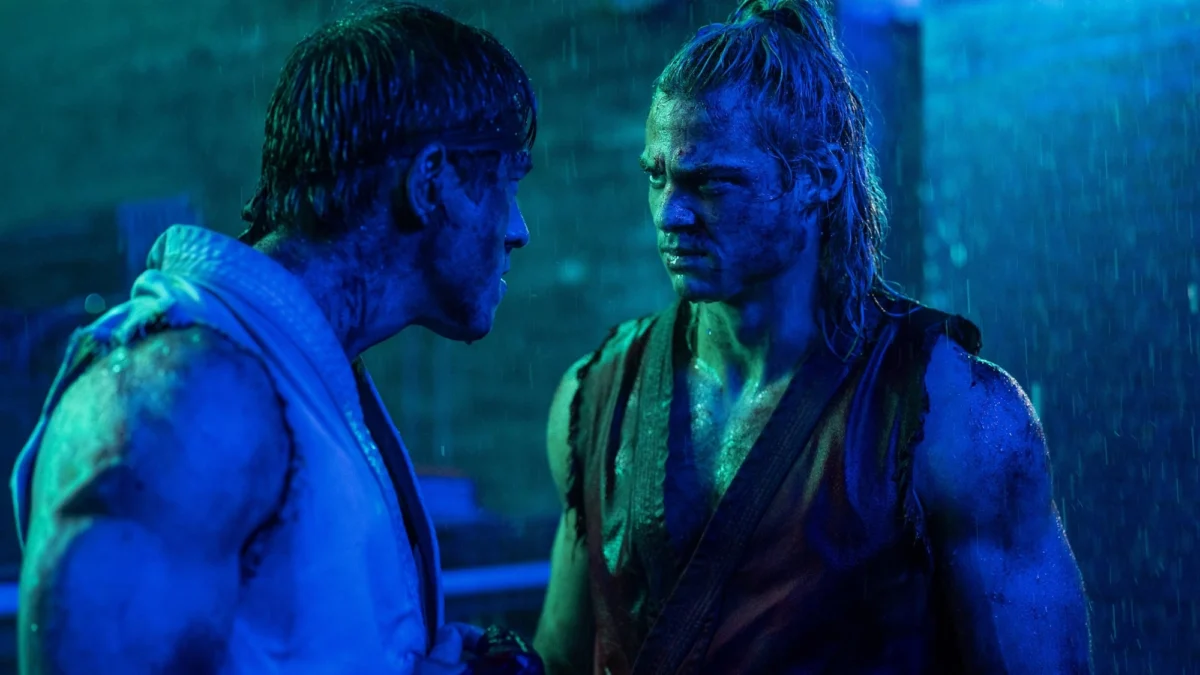
The neon-soaked, adrenaline-fueled world of Street Fighter has officially punched its way back onto the silver screen. Directed by Kitao Sakurai, the latest live-action adaptation arrives in theaters this week, bringing a sprawling, star-studded ensemble to the legendary World Warrior Tournament. For fans of the Capcom franchise who have waited decades for a faithful yet modernized take on the source material, the film represents a massive swing at cultural relevance, blending high-stakes combat with the deep, interconnected lore that defined a generation of arcade gaming.
A Star-Studded Brawl: The Cast of the World Warrior Tournament
The sheer scale of the production is immediately evident in its casting choices. Moving away from the campy, singular focus of previous iterations, Sakurai’s Street Fighter leans into the "ensemble" model, pulling talent from the worlds of mainstream Hollywood, professional wrestling, and international cinema.
The roster features Noah Centineo and Andrew Koji in pivotal roles, anchoring the film’s narrative core. They are joined by Callina Liang, while the physical intensity is bolstered by the presence of WWE icon Joe "Roman Reigns" Anoa’i. The film’s antagonist, the formidable M. Bison, is brought to life with a menace that promises to test the mettle of the heroes. Rounding out the eclectic cast are David Dastmalchian, Cody Rhodes, Eric André, Andrew Schulz, action star Vidyut Jammwal, Curtis "50 Cent" Jackson, and the cinematic heavyweight Jason Momoa.
This assembly of talent suggests a film that is attempting to bridge the gap between traditional action-movie tropes and the hyper-stylized world of character-driven fighting games. By diversifying the cast across different performance backgrounds, the production team aims to appeal to both the die-hard gaming community and the general cinema-going public.
Plot Dynamics: Power, Vengeance, and Reconciliation
At the heart of the film’s narrative is the return of the World Warrior Tournament II. Orchestrated by the power-hungry M. Bison, the tournament serves as the primary engine for the movie’s conflict. However, the film is not merely a string of fight scenes; it weaves together several distinct, character-driven story threads.
The most prominent of these is the quest for vengeance undertaken by Chun-Li, whose journey provides the film’s emotional anchor. Simultaneously, the audience is treated to the fractured relationship between Ryu and Ken. Once inseparable, the two warriors are now estranged, separated by personal demons and divergent paths. The central tension—and the hope for the audience—lies in whether these two iconic fighters can set aside their grievances to reunite and battle against the encroaching darkness of Bison’s plans.
Sakurai’s direction emphasizes the scale of these personal conflicts against the backdrop of the tournament, ensuring that every punch and kick feels grounded in the history of the characters.
The Mid-Credit Question: Setting the Stage for the Future
In the modern landscape of blockbuster filmmaking, the question of whether a movie contains "bonus" footage has become a cultural ritual. For Street Fighter, the answer is nuanced.
For those wondering if the film leaves the door open for a sequel, the answer is a definitive "yes." The film does include a mid-credit scene, though viewers should temper their expectations: it is brief, wordless, and enigmatic. It does not provide an immediate, dialogue-heavy reveal, but rather a subtle visual tease that hints at the direction a potential franchise might take. It is a "blink-and-you-miss-it" moment that suggests the studio is betting heavily on the success of this installment.
As for a traditional post-credit scene—the kind that might bridge the gap to a wider Capcom Cinematic Universe—critics who attended early screenings reported that there is no such sequence. However, this shouldn’t be interpreted as a reason to rush for the exits. The closing credits of Street Fighter serve as a testament to the massive team of choreographers, stunt coordinators, visual effects artists, and musicians who worked to bring these digital icons to life. Furthermore, for those looking to build a high-intensity workout playlist, the film’s soundtrack is reportedly a standout, making the credits an excellent time to Shazam the featured tracks.
The Chronology of Adaptations: Why Now?
To understand the stakes of this film, one must look at the history of Street Fighter in cinema. The 1994 film starring Jean-Claude Van Damme remains a cult classic, known more for its unintentional humor and departure from the source material than for its critical acclaim. The 2009 follow-up, Street Fighter: The Legend of Chun-Li, struggled to find a foothold with critics and fans alike.
This new iteration arrives during a "Golden Age" of video game adaptations. Following the commercial and critical success of films like The Super Mario Bros. Movie, Sonic the Hedgehog, and television series like HBO’s The Last of Us, the stigma surrounding "game-to-movie" projects has largely evaporated. Studios now have a blueprint for success: respect the source material, prioritize character development, and don’t be afraid to embrace the inherent absurdity of the game’s world.

By hiring Kitao Sakurai—known for his distinct visual style and ability to handle ensemble casts—the producers are signaling that this is a serious effort to capture the "soul" of the game rather than just its aesthetic.
Supporting Data: The Economics of the Fighter
The budget for Street Fighter is estimated to be among the highest for a fighting game adaptation to date. With such a massive ensemble cast and the high costs associated with modern visual effects—specifically the physics-defying combat sequences—the studio, a collaboration between Paramount Pictures, Legendary Pictures, and Capcom, is aiming for a global box office return that validates the massive investment.
Industry analysts suggest that the "cross-pollination" strategy—casting stars like Roman Reigns and Cody Rhodes—is a calculated move to capture the massive wrestling fan demographic, which has historically overlapped with the Street Fighter audience. If the film performs as expected, it could spawn a series of spin-offs focusing on individual fighters, potentially creating a "Street Fighter Universe" that could dominate theaters for the next decade.
Official Responses and Creative Vision
In recent press junkets, director Kitao Sakurai has been vocal about the difficulty of balancing the "lore" of the games with the requirements of a three-act screenplay. "The challenge," Sakurai noted, "wasn’t just recreating the moves—anyone can do that with CGI. The challenge was making the characters feel like people you care about before they start throwing fireballs at each other."
Cast members have echoed this sentiment. Andrew Koji, in particular, has spoken at length about the grueling training regimen required to perform the stunts. "We didn’t want to rely entirely on stunt doubles," Koji explained. "The fans know these moves. If we didn’t perform them with the right weight and respect, the audience would know immediately."
Capcom, as a co-producer, has maintained a heavy hand in the film’s development. Their involvement ensures that the iconic imagery—the costumes, the stages, and the signature sound design—remains authentic to the games. This "brand integrity" is a key component of the marketing strategy, reassuring fans that they won’t be subjected to another radical departure from the established canon.
The Implications for Future Franchises
The release of Street Fighter is a bellwether for the future of the genre. If the film succeeds, it will solidify the trend of "AAA" video game adaptations that treat the source material as a legitimate intellectual property rather than a niche curiosity.
However, there is also the inherent risk of "fan fatigue." With several high-profile game adaptations currently in development, the market is becoming increasingly crowded. Street Fighter faces the unique challenge of differentiating itself in a market where superhero fatigue is already setting in. By focusing on the tournament structure, the film offers a "sports movie" intensity that differentiates it from the typical "save the world" narrative of comic book films.
Conclusion: A New Arena Awaits
Street Fighter is now in theaters, and it arrives with a clear mission: to reclaim the throne of fighting-game adaptations. Whether you are a long-time fan who grew up in the arcades of the 90s or a newcomer intrigued by the star-studded cast and high-octane trailers, the film offers a spectacle that demands to be seen on the biggest screen possible.
While the post-credit landscape may be barren, the film itself is a dense, action-packed experience that rewards those who pay attention to the details. From the subtle nods to the classic arcade backgrounds to the evolving dynamics between Ryu and Ken, there is plenty here to dissect. As the credits roll and you head out of the theater, you may find yourself wondering exactly what that brief mid-credit scene implies for the future of the World Warrior Tournament. For now, the best strategy is to enjoy the fight, appreciate the craftsmanship, and keep an eye on the horizon for whatever challenge—and whatever fighter—might be coming next.
The stage is set. The fighters are ready. The bell has rung.
 Asep Darmawan
  Lina Hope
  Sagoh
Sagoh 