
 By Siti Muinah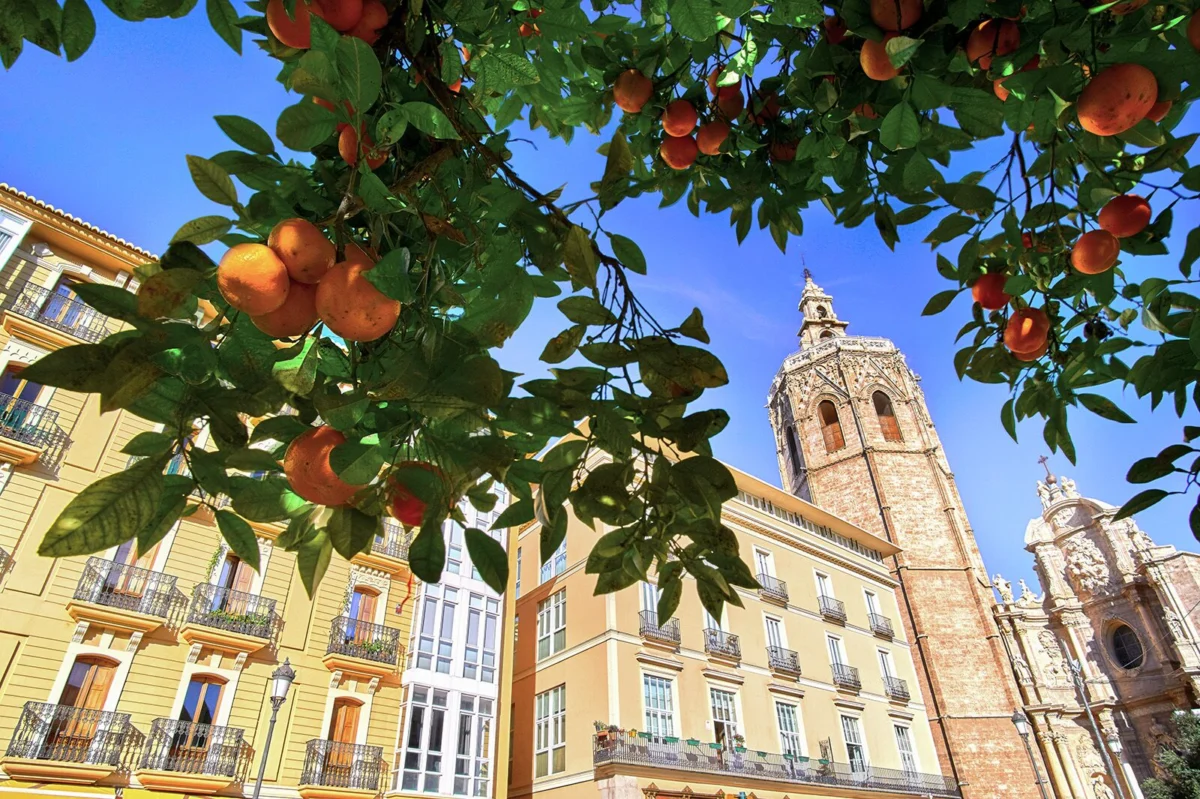
When travelers conjure an image of Spanish dining, the vision is almost always singular: a bustling seaside terrace, the rhythmic clinking of ice in a pitcher of sangria, and a steaming, golden pan of paella. While Valencia undoubtedly delivers on this promise, reducing Spain’s gastronomic identity to a coastal classic is akin to judging a library by its cover. Spain is a nation of immense topographical variety—a geography that shifts from rugged, cloud-piercing summits to sun-drenched volcanic archipelagos—and its cuisine is a direct reflection of this untamed terrain.
The Geography of Taste: Main Facts
Spain’s culinary map is dictated by its 5,000 miles of coastline, mountain ranges exceeding 10,000 feet, and a vast, storied interior. These distinct environments have forced regional populations to become master improvisers, relying on locally sourced, seasonal ingredients.
The gastronomy of Spain is not a monolith; it is a collection of provincial identities. From the shepherd-tended caves of the Picos de Europa to the salt-kissed, volcanic vineyards of the Canary Islands, the country offers a palate of flavors that defy the expectations of the average tourist. This article explores the lesser-traveled, lesser-tasted regions where tradition is not just a culinary choice, but a way of survival.
Chronology of Tradition: A Heritage Shaped by History
To understand the food of Spain, one must look at the timeline of its development, which spans millennia of trade, conflict, and agricultural evolution.
- 18th Century: The monks of the Navarrese Pyrenees introduce the cultivation of pochas, a delicate white bean that remains a staple of the region’s diet, demonstrating the historical influence of monastic agriculture on modern Spanish harvests.
- 19th and 20th Centuries: The rise of industrialization saw the decline of some traditional farming methods, yet rural pockets—such as those in the Valles Pasiegos—preserved the "scarcity cooking" model, using bread dough, butter, and eggs to create the iconic sobaos pasiegos.
- Modern Era: A global surge in gastronomic tourism has brought the "hidden" flavors of the hinterlands to the forefront, as chefs move away from standard tourist menus to reclaim ancient ingredients like wild mushrooms (usones) and high-altitude honey from the El Bierzo region.
The Mountain Kitchens: Altitude and Austerity
The mountain cuisine of Spain is molded as much by shepherds and monks as it is by contemporary chefs. In the northern Picos de Europa range, the altitude dictates the menu. Here, the landscape is defined by the Cantabrian Sea’s proximity and the rugged limestone peaks.
The Art of Cave-Aging
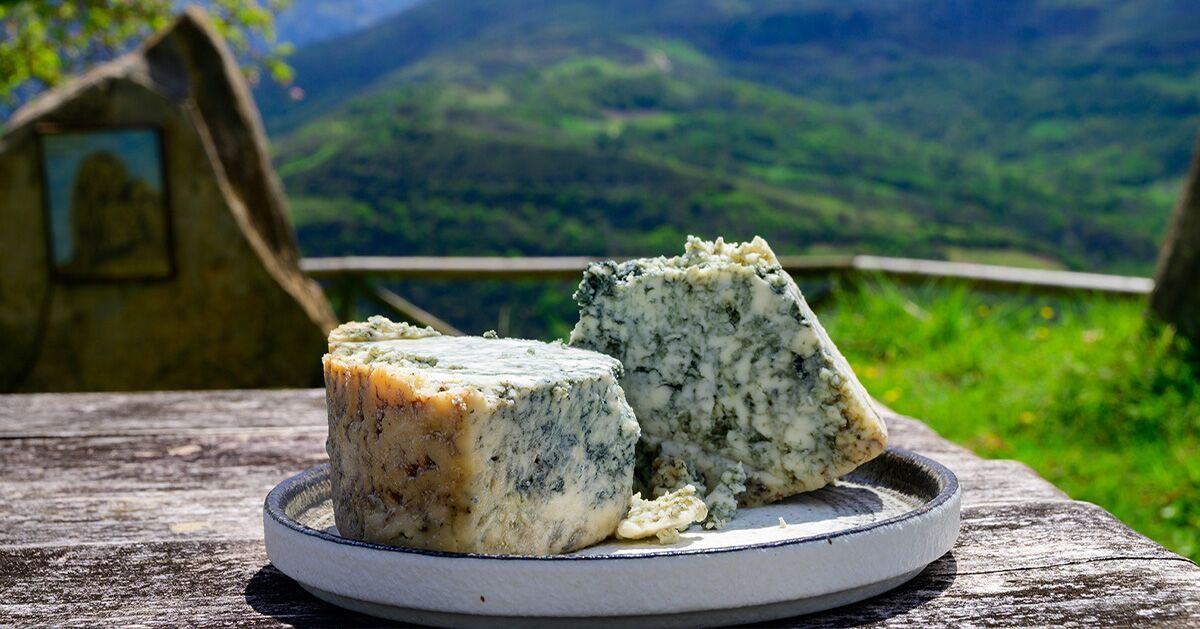
In Asturias, the culinary experience is inextricably linked to the earth. Visitors can tour the World Heritage caves of Covaciella, but for the true connoisseur, the experience is best understood through the palate. Cabrales, a potent blue cheese, is aged within these natural, high-humidity limestone caverns. The process is a testament to pastoral resilience, where local shepherds have mastered the balance of temperature and mold to create a cheese that captures the very essence of the Cantabrian mountains.
Monastic Influence and Vine-Shoot Roasts
Moving eastward into La Rioja, the culinary heritage is intertwined with religious history. The monasteries of Suso and Yuso, the cradles of the Spanish and Basque languages, also serve as the epicenter of a unique roasting culture. Chuletillas al sarmiento—lamb cutlets grilled over the embers of spent vine shoots—are a staple of the region. This dish serves as an important bridge between the viticulture of the region and its pastoral traditions, utilizing the byproducts of the wine industry to elevate the flavor of local livestock.
The Saltwater Pantry: Harvesting the Atlantic and Mediterranean
Spain’s coastline is far more than a backdrop for tourism; it is a larder of high-stakes labor and specialized techniques.
The Perilous Harvest of the Costa da Morte
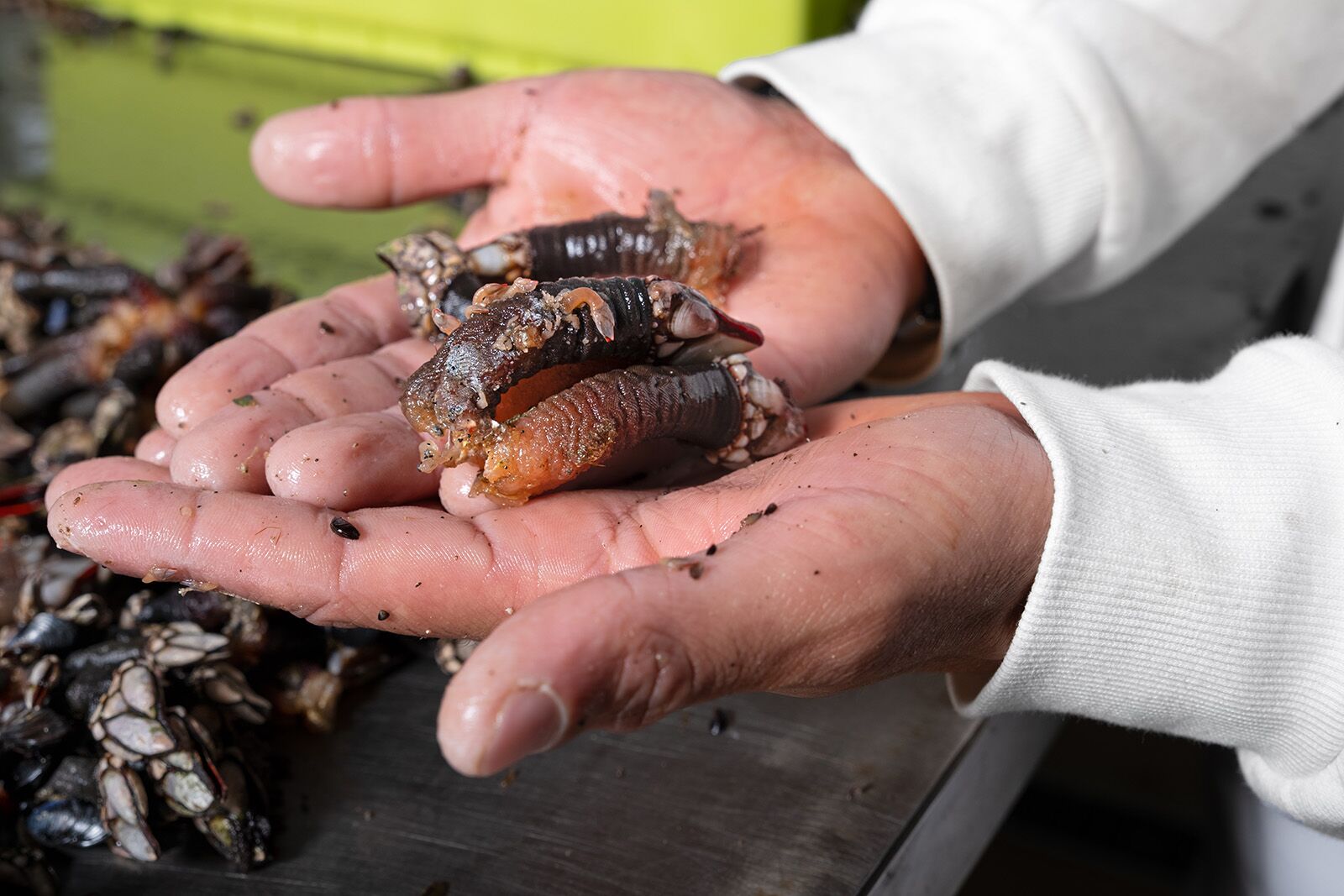
In Galicia, the Atlantic Ocean is a temperamental partner. The Costa da Morte, or "Coast of Death," is home to some of the world’s most coveted seafood: the percebe (goose barnacle). The harvesting process is inherently dangerous, requiring percebeiros to work in the literal shadow of crashing waves. This is not merely food; it is a symbol of the Galician connection to the sea—a raw, briny delicacy that demands respect from both the harvester and the diner.
The Bluefin Tradition
In the south, the Costa de la Luz in Cádiz provides a contrasting maritime narrative. The almadraba technique, an ancient method of trapping tuna during their migratory season using intricate net barriers, has been practiced here for centuries. This practice is so deeply embedded in the local culture that the spring arrival of the bluefin tuna serves as the catalyst for a series of regional festivals, transforming the coastline into a hub of culinary celebration.
Supporting Data: The Interior Orchard
Spain is often cited as the "orchard of Europe," and the data supports this title. The diverse microclimates of the interior enable the production of highly specific, Protected Designation of Origin (PDO) goods.
- The Jerte Valley: Known for its cherry production, the valley’s microclimate allows for the cultivation of varieties that have achieved global renown, with thousands of tons exported annually.
- Castile-La Mancha: This region remains the heart of Spain’s saffron production. Despite global competition, the labor-intensive harvest of the violet crocus remains a vital economic driver in October, providing the essential pigment and aroma for the country’s most famous rice dishes.
- Valencia: Beyond its famous rice, the region’s orange production remains a cornerstone of its identity. The "Ruta del Azahar" (Orange Blossom Route) serves as both an agricultural highlight and a tourist destination, blending the sensory experience of citrus groves with coastal proximity.
Official Responses and Cultural Preservation
The Spanish government and regional tourism boards have shifted their focus toward "gastronomic tourism" as a means of protecting rural communities. By promoting events like the Fira de Matances in Mallorca or the calçotada festivals in Catalonia, authorities aim to decentralize tourism.
According to agricultural heritage bureaus, these festivals are crucial for maintaining the "cultural continuity" of the regions. By ensuring that younger generations remain interested in traditional techniques—such as the curing of sobrasada or the preparation of gofio in the Canary Islands—the state is effectively subsidizing the preservation of culinary history. This strategic pivot recognizes that the future of the Spanish hospitality industry lies in the authenticity of its remote, often overlooked corners.
Implications: The Future of the Spanish Plate
The shift toward hyper-regional, landscape-specific dining has significant implications for the traveler.
- Sustainable Consumption: By emphasizing seasonal, local ingredients, travelers are encouraged to visit at times that support the local agricultural cycle, rather than the tourist calendar.
- Economic Decentralization: Moving the spotlight away from the urban centers of Madrid and Barcelona toward regions like the Ansó Valley or the Canary Islands distributes wealth more evenly across the peninsula.
- The Rejection of Homogeneity: The rise of these niche culinary movements acts as a bulwark against the "McDonaldization" of travel. It forces a dialogue between the diner and the land, proving that the true taste of Spain is not a static recipe found in a cookbook, but a living, breathing landscape that requires the traveler to explore, inquire, and—most importantly—taste the difference.
In conclusion, the next time you find yourself planning a trip to the Iberian Peninsula, look past the sangria and the ubiquitous paella. Seek out the blue cheese of the mountain caves, the barnacles of the storm-lashed cliffs, and the violet fields of the interior. There is no single "taste" of Spain; there are only a dozen, each waiting in a different landscape, ready to be discovered by those willing to travel beyond the plate.
 Dwi Wanna
  Asep Darmawan
  Layla Zulfa