
 By Jia Lissa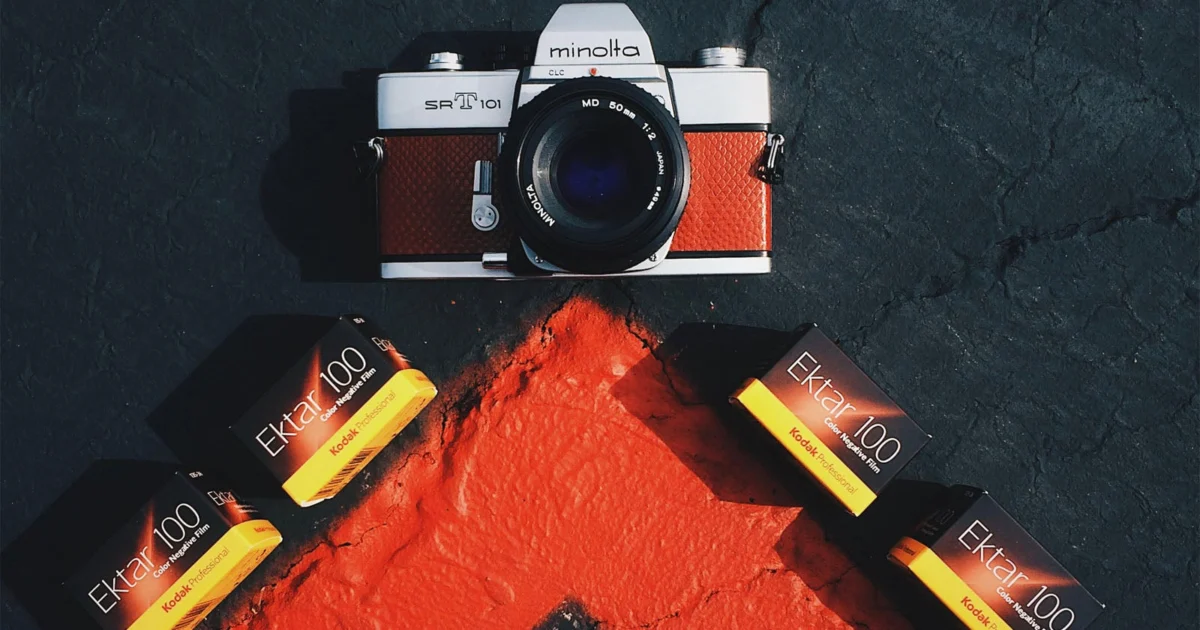
For decades, the global photographic community has witnessed a remarkable renaissance of analog film. Amidst this resurgence, few stocks command the reverence and regular deployment of Kodak Ektar 100. Renowned for its ultra-fine grain structure, explosive color saturation, and striking contrast, Ektar has carved out an essential niche for photographers seeking high-resolution clarity and vivid chromatic punch.
Brought to you in partnership with Portland, Oregon’s iconic Blue Moon Camera and Machine, this deep-dive explores the heritage, technical characteristics, long-exposure reliability, and creative applications of one of Kodak’s heaviest hitters.
Main Facts: What Makes Kodak Ektar 100 Unique?
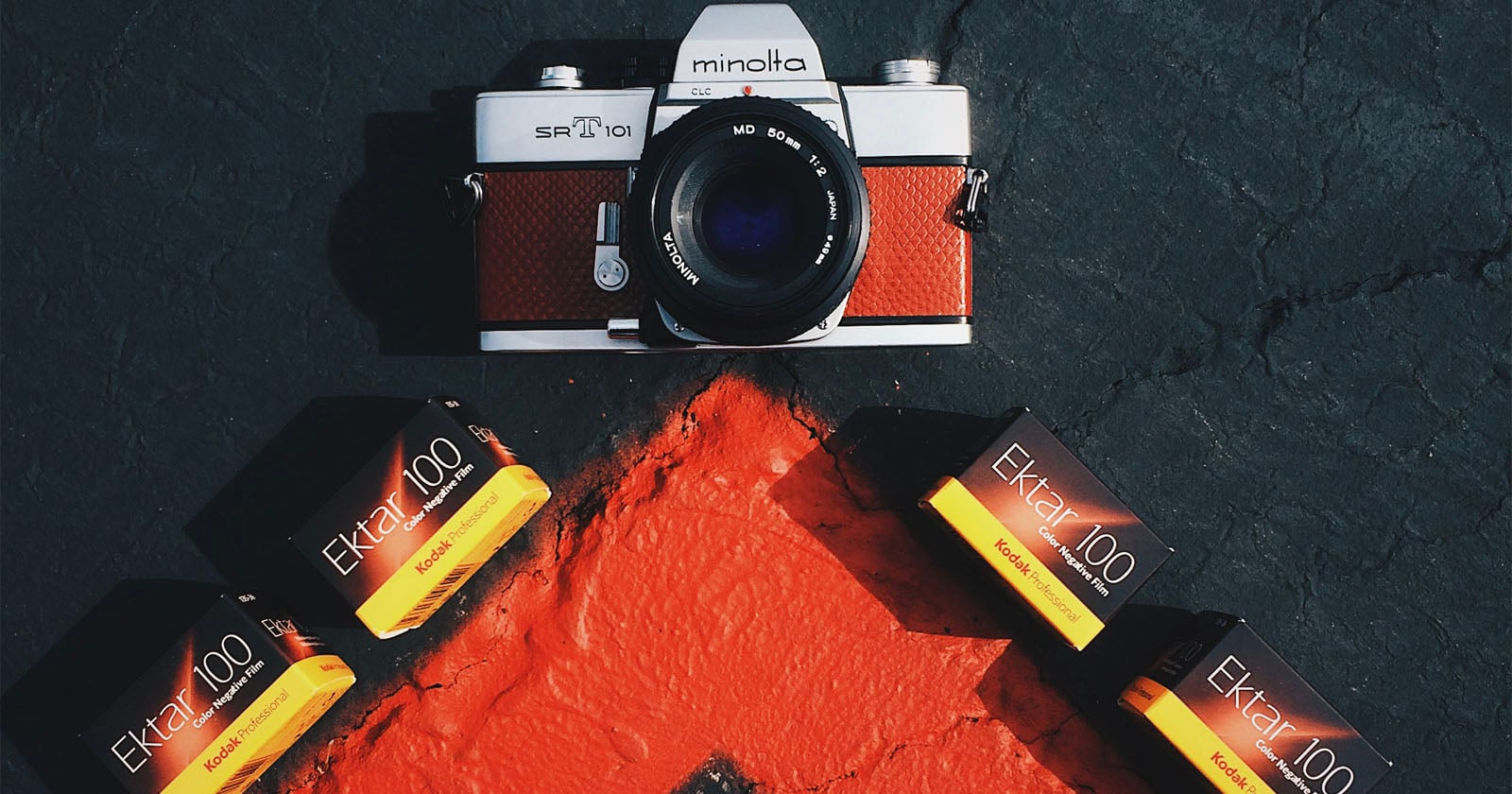
Kodak Ektar 100 is a daylight-balanced color negative film that occupies a distinct space in the contemporary film market. While sister stocks like Kodak Portra are celebrated for their natural, muted skin tones and latitude, Ektar is unapologetically vibrant.
Core Technical Pillars:
- ISO Speed: Rated at ISO 100, Ektar is a slow-speed film designed for optimal performance in bright, controlled lighting conditions or during intentional long exposures.
- Grain Structure: Kodak historically marketed Ektar 100 as possessing the finest grain of any available color negative film on the market—a claim that holds up under harsh microscopic or high-magnification digital scanning scrutiny.
- Color and Contrast: The emulsion delivers deep, saturated reds, blues, and yellows with a punchy contrast curve, frequently positioning it as a color-negative alternative to slide films like the legendary Fuji Velvia.
- Format Versatility: Initially launched in 35mm (135 format) in 2008, Ektar’s lineup expanded to include medium format (120) and large format sheets (4×5 and 8×10), unlocking immense enlargement potential.
A Chronological History: From Premium Lenses to Modern Emulsion
To fully appreciate Ektar 100, one must look beyond its current plastic canisters and examine a branding legacy that spans nearly a century.
1. The Golden Age of Ektar Lenses (1930s–1960s)
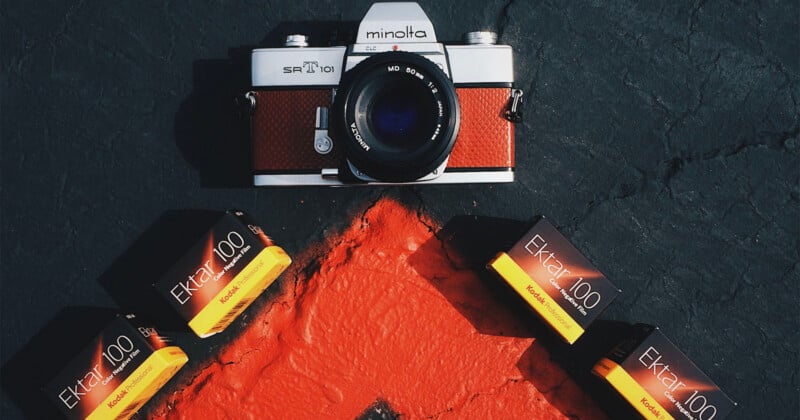
Long before "Ektar" was printed on a box of film, it was synonymous with cutting-edge optical engineering. Beginning in the 1930s, Eastman Kodak designated its highest-quality, professional-grade lenses under the Ektar banner—a portmanteau derived from Eastman Kodak TessAR. These prized lenses adorned a wide variety of legendary bodies, ranging from compact Bantams and Retinas to sophisticated large-format field cameras. Well into the 1960s, the Ektar name remained the gold standard for Kodak’s optical achievements.
2. The First Film Iteration (1989–1997)
In 1989, Kodak repurposed the prestigious Ektar moniker for a brand-new line of color negative films. Photographers who grew up shooting during this era may fondly remember stocks like Ektar 25 and Ektar 1000. Known for specialized grain characteristics, this first-generation family enjoyed a dedicated following before being quietly discontinued in 1997 as digital photography began its ascent.
3. The Rebirth of Ektar 100 (September 2008)
In September 2008, Kodak Alaris’s predecessor announced the triumphant return of Ektar to the modern market with the release of Ektar 100. Introduced initially in 35mm format, the film created immediate waves across the industry. With the gradual phase-out of Kodachrome and the increasing scarcity of transparency slide films like Fuji Velvia, Ektar 100 arrived precisely when landscape and fine-art photographers were desperately searching for a contemporary medium capable of rendering intense, hyper-realistic color and staggering detail.
Supporting Data & Performance Analysis
1. Unrivaled Resolution and Fine Grain
Grain texture is a vital stylistic choice in analog photography, but there are instances—particularly when producing large-scale gallery enlargements—where a clean, seamless surface is paramount.
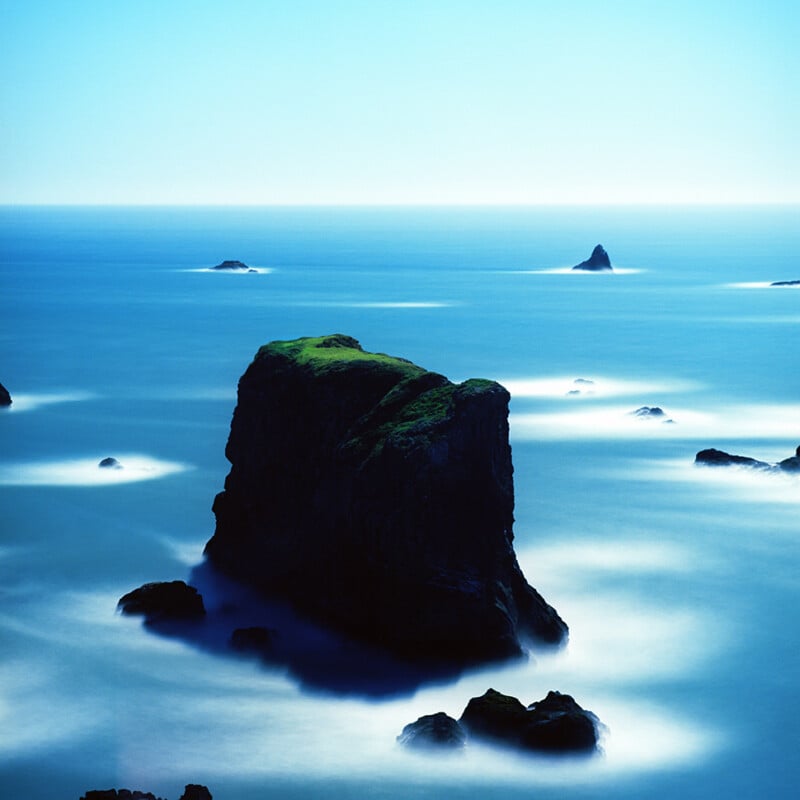
When conducting digital camera-scanning on sheets of 4×5 Ektar 100, technicians frequently note that even at maximum macro-lens zoom magnification, individual grain particles remain virtually invisible. This extreme micro-contrast and resolution make medium format and large format iterations of Ektar 100 capable of producing wall-sized prints packed with minute detail.
2. Reciprocity Failure and Long-Exposure Reliability
Because Ektar 100 is a slow-speed film, it is frequently paired with Neutral Density (ND) filters for daytime long exposures or loaded into pinhole cameras. Managing reciprocity failure—the phenomenon where film loses sensitivity during prolonged exposures—is crucial for predictable results.

- Under 1 second: No reciprocity correction required.
- 1 to 10 seconds: Minimal adjustments needed according to Kodak’s official data sheets.
- 30 seconds and beyond: Photographers should compensate by adding an extra stop of exposure (effectively turning a metered 30-second exposure into a full minute).
Unlike Fuji Velvia 50—which is notorious for shifting toward an unappealing green cast after just a few seconds of exposure—Ektar 100 maintains remarkable color fidelity during extended shutter times.
Practical Applications: Where Ektar Shines (and Where It Struggles)
Landscape, Travel, and Architecture
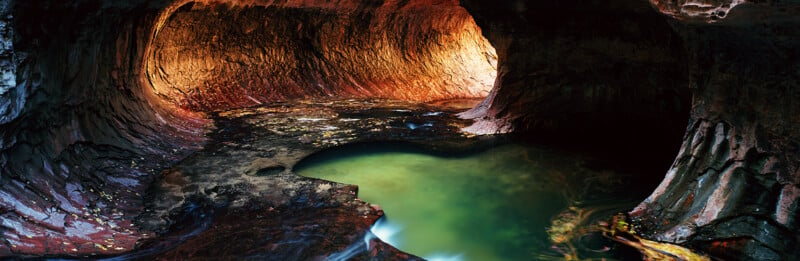
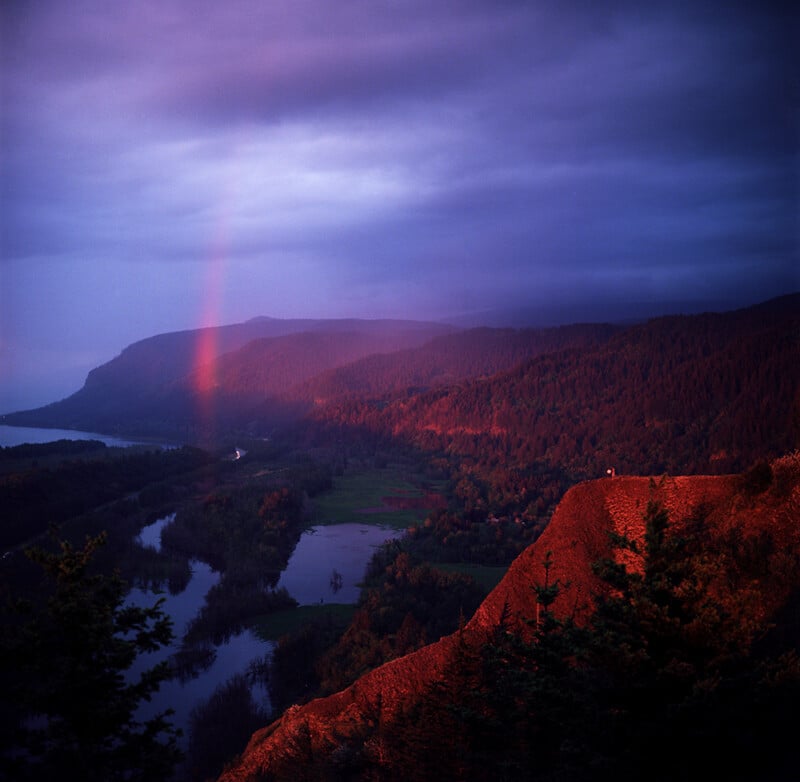
Ektar 100 is an undisputed champion for outdoor and architectural photography. With autumn foliage just around the corner, its propensity for rendering fiery reds, deep oranges, and electric blues makes it the quintessential fall landscape film. It also excels in urban architectural settings where clean lines, deep shadows, and crisp blue skies benefit from punchy saturation.
Pinhole Photography
Pinhole cameras require patient, prolonged exposures due to their minuscule apertures. Ektar 100’s slow speed and predictable reciprocity characteristics make it a favorite among experimental and pinhole practitioners who want rich, saturated results without unmanageable grain.
The Portraiture Caveat
While Ektar 100 is a versatile emulsion, it is rarely the default choice for traditional studio portraiture. Its high color saturation can react harshly with human skin tones, occasionally rendering them overly ruddy, pink, or saturated.

However, this does not mean portraits on Ektar are impossible. When deployed thoughtfully in environmental portraiture, Ektar can produce breathtaking results. Subjects with striking features—such as piercing blue eyes, vibrant dyed hair, or colorful wardrobe choices—will pop dynamically against complementary backgrounds when shot on Ektar 100.
Implications for the Analog Community
As supply chains fluctuate and classic emulsions face discontinuation or persistent shortages (such as the dwindling availability of Fuji Velvia), Kodak Ektar 100 has transitioned from a specialty choice into a cornerstone of the analog ecosystem.

For photographers looking to transition away from muted color palettes, maximize print scale, or dive into long-exposure and pinhole work, Ektar 100 fills a vital gap. It challenges shooters to rethink exposure discipline while rewarding them with chromatic richness that digital sensors and other negative films struggle to replicate.
Special Offer and Availability
Whether you are capturing sweeping vistas, preparing for vibrant autumn foliage, or experimenting with pinhole setups, Kodak Ektar 100 belongs in your camera bag.

To help you stock up for your next creative project, Blue Moon Camera and Machine is featuring special promotional pricing on Kodak Ektar 100. Stop by their retail storefront in Portland, Oregon, or visit them online to secure your rolls today.
This story is brought to you by Blue Moon Camera and Machine in Portland, OR. Blue Moon offers comprehensive film stock, professional development services, high-end printing, and an ever-rotating inventory of vintage film cameras and lenses.

**PetaPixel Members receive 10% off all lab services with Blue Moon: Join today!
 Raul Delapena Setiawan
  Basiran