
 By Nila Kartika Wati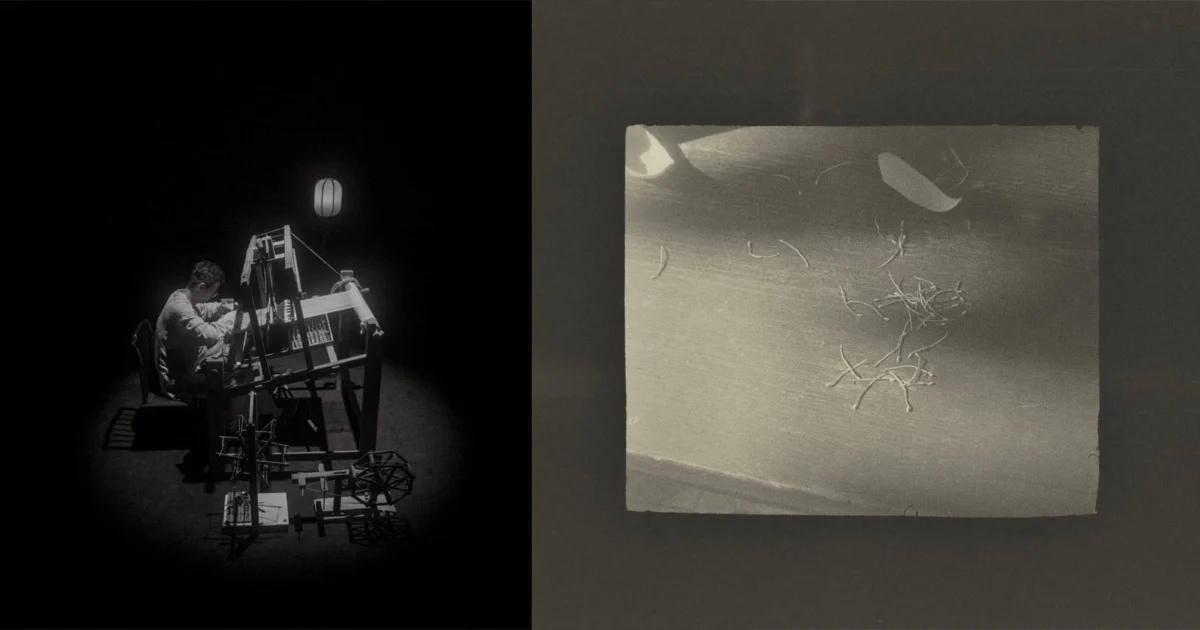
Main Facts
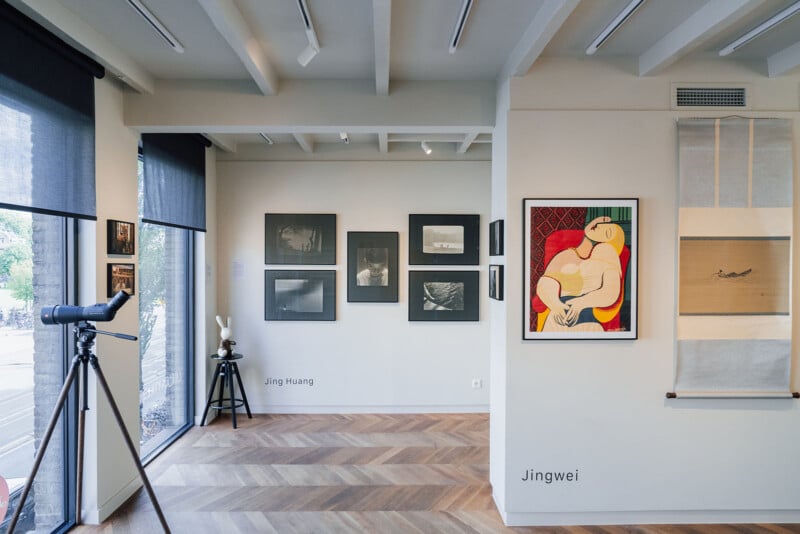
In an era dominated by hyper-speed digital capture and instantaneous content consumption, a unique cross-disciplinary art project has brought modern audiences face-to-face with one of the world’s most endangered and intricate textile traditions. Titled as a visual dialogue between contemporary lens-based art and ancient craftsmanship, a recent landmark exhibition at Leica Gallery Amsterdam showcased the mesmerizing synergy between renowned photographer Jing Huang and master kesi artisan Jingwei.
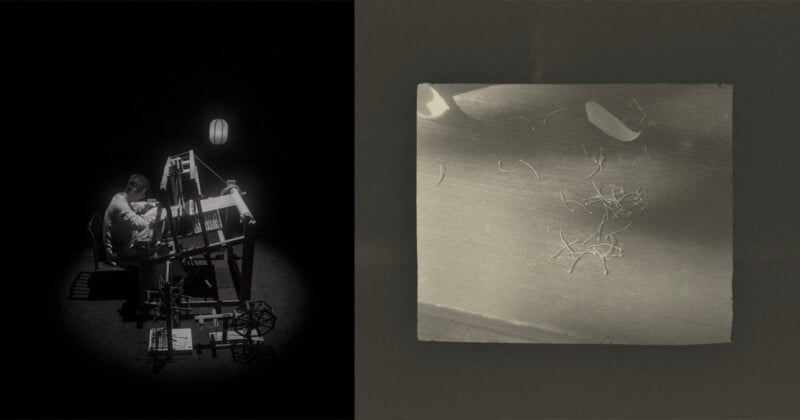
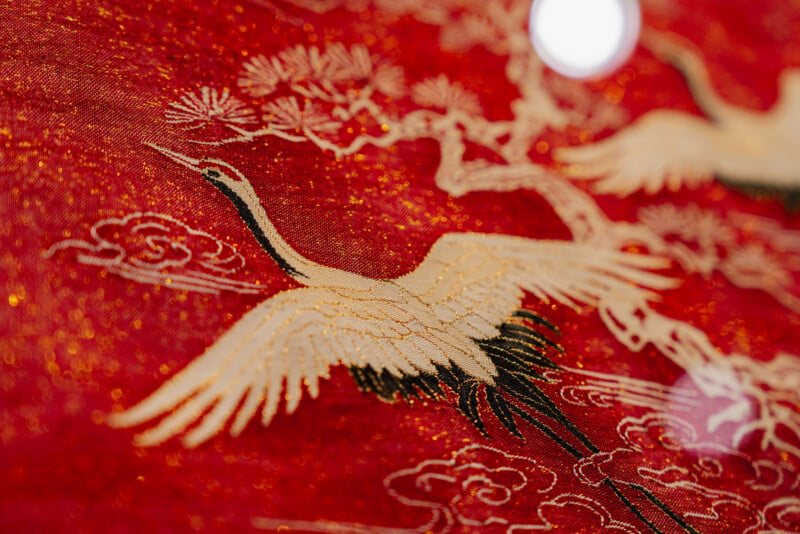
Kesi (pronounced kooh-su) is an ancient Chinese art form involving the creation of exquisitely detailed silk cut-silk tapestries. Peaking in popularity and technical sophistication around the twelfth century during the Song Dynasty, the technique relies on a meticulous, labor-intensive process where colored silks are woven section by section around a rigid framework using miniature shuttles. Today, the tradition faces a critical existential threat: in modern China, only eight individuals are officially recognized as master inheritors of the traditional kesi weaving technique.
Among this vanishing vanguard is Jingwei, a young virtuoso based in Suzhou who routinely spends weeks painstakingly interlocking colored threads to produce a single section of breathtaking imagery. To immortalize his process, photography brands Lexar and Leica teamed up to commission Jing Huang—an acclaimed, award-winning photographer celebrated for his minimalist compositions, deep reliance on negative space, and evocative analog style.
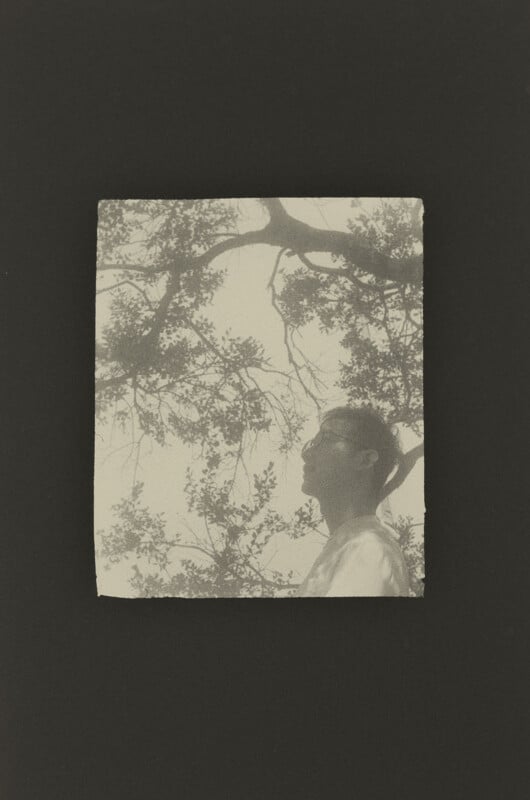
Working with a vintage Leica SLR camera and 35mm film, Huang bypassed conventional documentary techniques to craft an intimate, meditative visual conversation with the artisan. The resulting body of work recently culminated in a critically acclaimed exhibition at Leica Gallery Amsterdam, bridging the gap between centuries-old Chinese heritage and contemporary European fine art photography.
Chronology
The genesis of this unique collaboration unfolded across several months of deep immersion, traveling from the historic workshops of eastern China to the sleek gallery walls of the Netherlands:
- Pre-2026 (The Foundation): Master weaver Jingwei dedicates his life to mastering the grueling, highly disciplined techniques of Suzhou kesi, joining the ultra-exclusive group of just eight officially designated inheritors of the craft in China. Concurrently, photographer Jing Huang builds an international reputation for his contemplative, minimalist approach to imagery, heavily influenced by traditional Chinese ink painting and a philosophical focus on spatial restraint.
- Early 2026 (The Commission): Memory solutions leader Lexar—headquartered in Shenzhen—and Leica join forces to fund and orchestrate a documentary fine-art project. Recognizing the conceptual parallels between digital and analog media preservation, they tap Huang to document Jingwei’s artistic process.
- Mid 2026 (The Fieldwork): Armed with an old Leica SLR and rolls of 35mm film, Huang travels to Suzhou. Instead of treating the assignment as a standard photojournalistic shoot, he engages in a slow, conversational rhythm with Jingwei, studying the cadence of the loom, the scattering of thread scraps, and the quiet spaces between moments of intense labor.
- Late September 2026 (The Exhibition): The collaborative works are shipped to Europe for a high-profile showcase. The exhibition officially opens at Leica Gallery Amsterdam, placing Huang’s silver-gelatin and sepia-toned prints in direct artistic conversation with Jingwei’s hanging silk scrolls.
- Post-Exhibition (The Legacy): As the physical show concludes in Amsterdam, the project resonates globally within fine art and photography circles, sparking vital conversations about cultural preservation, the definition of craftsmanship, and the intersecting philosophies of slow-form artistic creation.
Supporting Data
To fully understand the weight of the Leica-Lexar collaboration, one must examine the extreme rarity, technical constraints, and aesthetic metrics governing both kesi and fine-art analog photography:
- Demographic Scarcity: Out of a population of over 1.4 billion people in modern China, precisely eight master artisans hold the official government designation of master inheritor for kesi weaving.
- Historical Peak: The golden age of kesi tapestry production occurred approximately 800 years ago during the 12th century (Song and Yuan Dynasties), where it was prized by imperial courts as "cut silk" (kesi), so named because the short, discontinuous weft threads create a distinct carved or cut optical illusion on the reverse side.
- Medium and Equipment Parameters: Jing Huang executed the entirety of the documentary project using historical analog hardware—specifically, an old Leica SLR paired with 35mm film. This deliberate choice rejected modern high-speed digital burst modes in favor of a deliberate, grain-conscious, and tactile medium.
- Corporate Scale and Investment: The project was supported by Lexar, a major global flash memory and storage brand based in Shenzhen, demonstrating an increasing corporate interest from tech conglomerates in underwriting slow-art preservation and analog cultural projects.
- Geographic Convergence: The project united creative talents across vast geographical coordinates: Jingwei hails from Suzhou, China (a historic cultural hub for silk and gardens); Jing Huang operates within the realm of contemporary Chinese minimalist aesthetics; Lexar operates out of Shenzhen, China; and the culmination of the project was curated by Linda Warmerdam at Leica Gallery Amsterdam in the Netherlands.
Official Responses
The intersection of high-end camera tech, massive memory infrastructure, and ancient Asian textile artistry elicited deep philosophical reflections from the key figures behind the project.
Linda Warmerdam, manager and curator of Leica Gallery Amsterdam, emphasized the conceptual triumph of the exhibition:
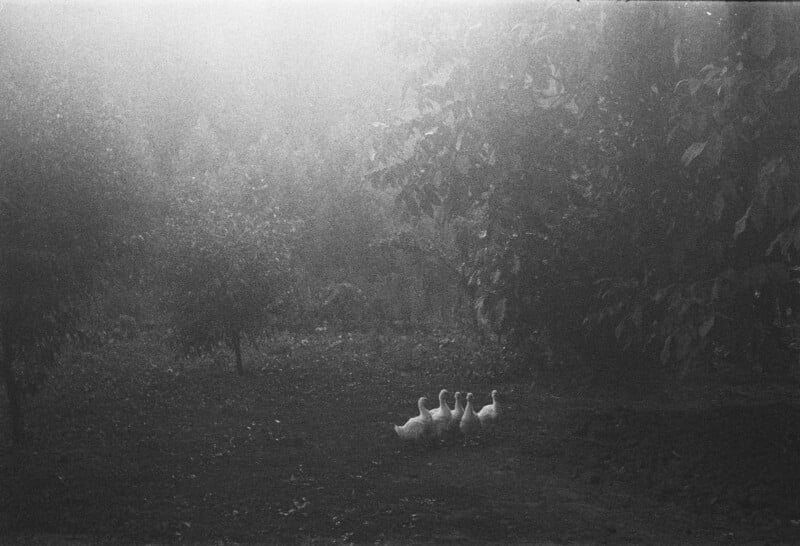
"What makes this project meaningful is the dialogue between the photographer’s eye and the artisan’s hand. Through photography, audiences can encounter Suzhou kesi not only as a heritage object, but as a living process shaped by time, patience, and human presence."
Grace Su, General Manager of Lexar EU, addressed why a tech hardware company specializing in flash storage chose to underwrite an intensely analog, historic art project:
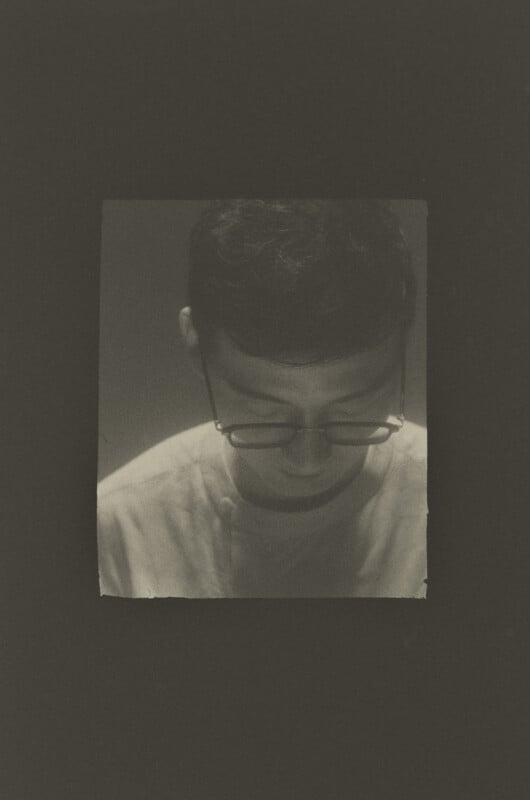
"Lexar has always been close to the creative process—photographers, filmmakers, and creators rely on storage to protect work that often cannot be recreated. Kesi builds an image over time, while photography often captures one in a fraction of a second. But both depend on the same thing: a creator deciding what is worth seeing, and how it should be remembered."
The artists themselves found profound common ground in the philosophy of creative boundaries. Jingwei reflected on the rigid mathematical and physical parameters that govern his daily labor:
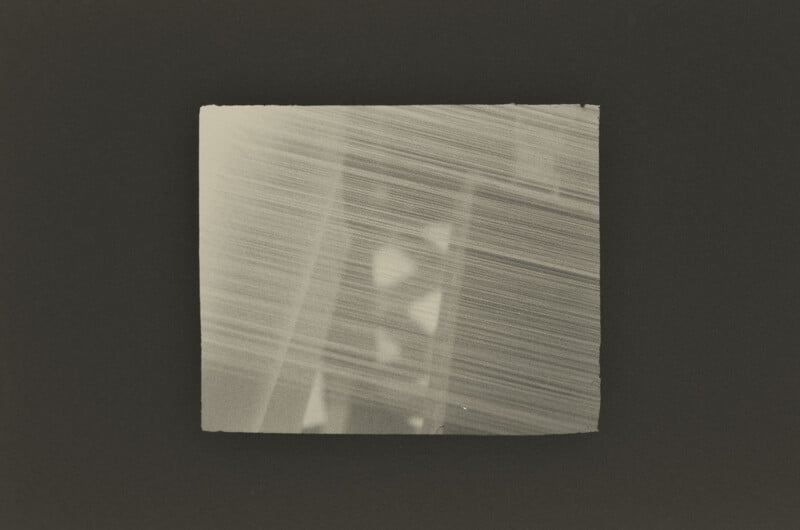
"What moves me most about kesi is its restraint. It is not a free gesture. It is created within the order of warp and weft, built slowly through time, patience, and the experience of the hand."
Photographer Jing Huang mirrored this sentiment when discussing his rejection of frantic speed in favor of emotional resonance:
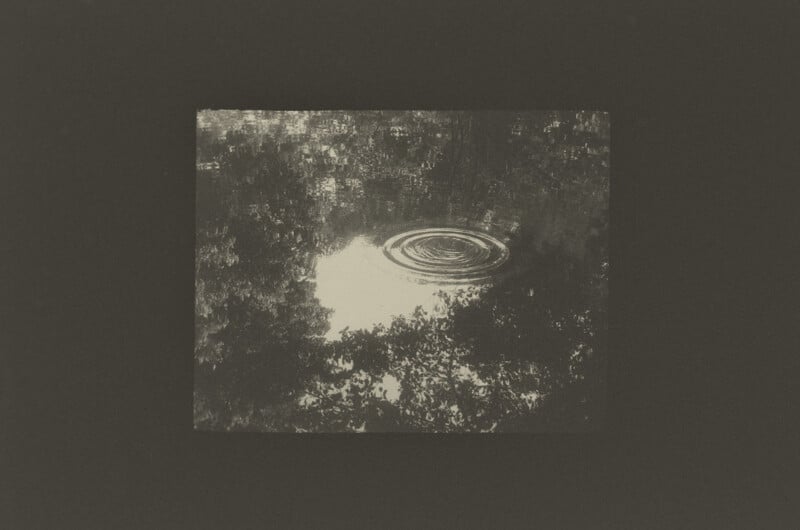
"For me, photography is not only about recording time. Sometimes it is about forgetting time. What stays in an image is not simply when or where it was taken, but whether it carries a sense of beauty that can still be felt beyond that moment."
Implications
The successful curation and reception of the Huang-Jingwei collaboration carry profound implications for the future of heritage preservation, the evolution of corporate art sponsorship, and the philosophical definition of image-making in the 21st century.
1. The Survival Blueprint for Endangered Crafts
With only eight master inheritors remaining, kesi teeters on the brink of functional extinction. Traditional apprenticeship models struggle to attract tech-native younger generations who favor fast-paced, digital careers. By pairing master weaver Jingwei with a globally recognized optical brand like Leica and a high-tech sponsor like Lexar, the craft is thrust out of dusty regional museums and into international contemporary art spaces. This exposure proves that endangered heritage arts can be reframed not as relics of a dead past, but as dynamic, living performances worthy of modern fine-art appreciation.
2. The Symbiosis of Tech Brands and Analog Heritage
It is a fascinating paradox that Lexar—a titan of digital data storage whose corporate existence relies on high-speed flash cards, gigabytes, and binary permanence—chose to fund a project shot entirely on physical 35mm film. This signals a shifting paradigm in corporate cultural patronage. Technology companies are increasingly realizing that their brand equity is enhanced when they anchor themselves to the philosophy of preservation rather than just the tools of acceleration. Whether saving a fragile digital raw file or a deteriorating silk thread, the core ethos remains identical: fighting against the erasure of human memory.
3. Redefining the Temporal Nature of Art
At first glance, kesi and 35mm film photography occupy opposite ends of the temporal spectrum. Weaving a single kesi textile is an agonizingly slow, cumulative act that takes weeks or months of linear progression. Conversely, a photograph shot on an SLR captures a fraction of a second—a 1/500th slice of a vanishing instant.
However, as curators and critics noted during the Amsterdam exhibition, both practices demand an extreme level of intentionality. In an era where artificial intelligence can synthesize a photorealistic image in three seconds and fast fashion discards textiles by the ton, both Jing Huang and Jingwei demand that the viewer slow down. They ask the audience to respect the physical friction of the medium—the weight of the grain, the resistance of the warp and weft, and the quiet dignity of human labor performed away from the glaring lights of the digital economy.
 Basiran
  Lina Irawan